Fermented Garlic and Thyroid Health: A Popular Remedy That May Carry Hidden Risks
Garden Healthy 13/01/2026 16:15
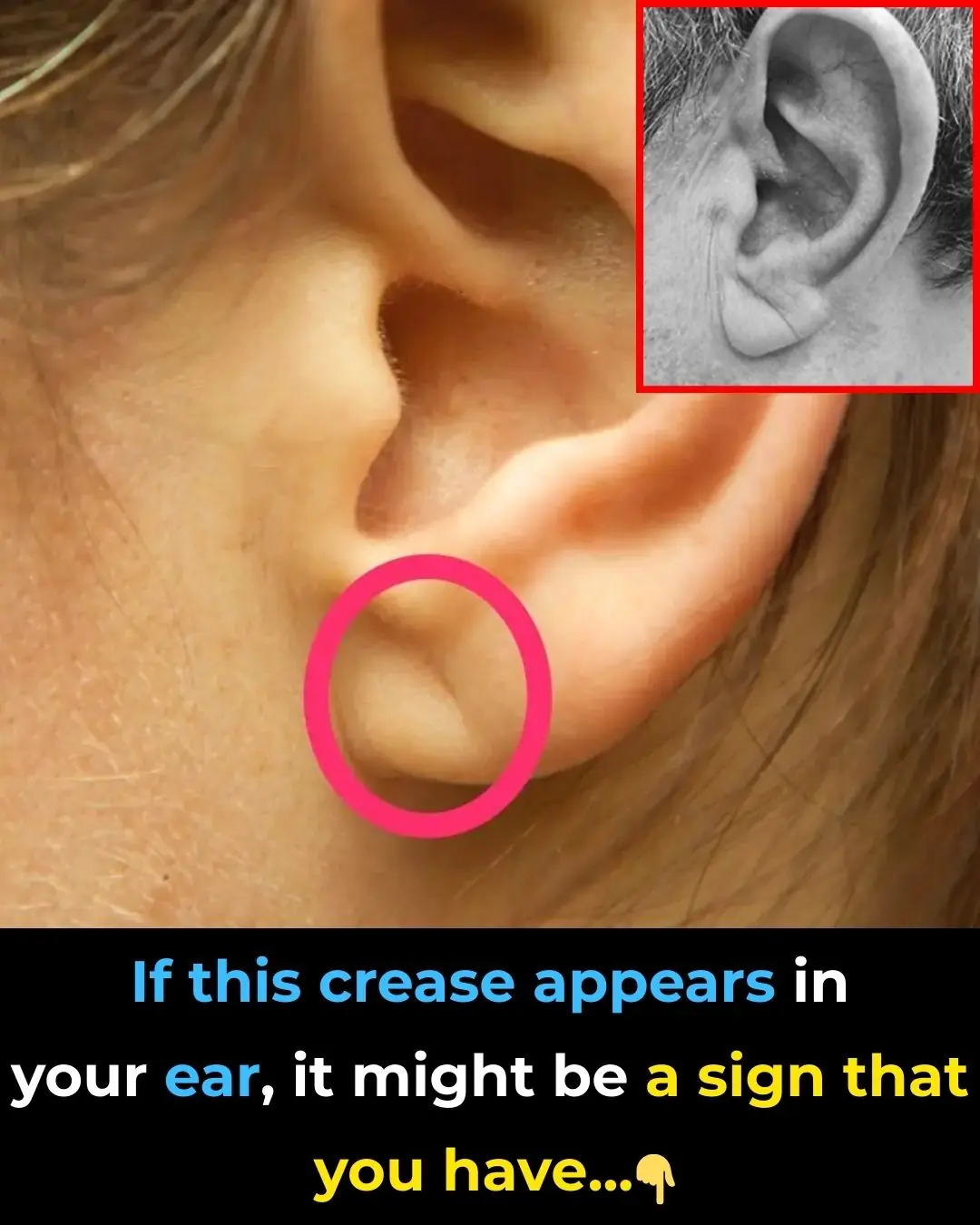
Garlic has been used for centuries in traditional medicine across many cultures. From boosting immunity to fighting infections, this common kitchen ingredient is often praised as a natural remedy for various health problems. In recent years, placing garlic near or around the ear has become a widely shared home remedy for ear pain, ear infections, and inflammation. But how much of this claim is supported by science?
Garlic contains active compounds such as allicin, which is known for its antibacterial, antiviral, and anti-inflammatory properties. These compounds may help reduce inflammation and inhibit the growth of certain bacteria. This is why garlic has long been associated with relief from infections and pain in traditional medicine.
Some people gently warm roasted or crushed garlic and place it near the outer ear (never deep inside the ear canal), believing it may help soothe discomfort caused by mild ear irritation or pressure changes.
According to the National Center for Complementary and Integrative Health, garlic does show antimicrobial properties in laboratory studies. However, there is limited clinical evidence proving that garlic can effectively treat ear infections or ear pain when used as a home remedy.
The Mayo Clinic cautions that inserting any substance into the ear without medical supervision can be dangerous. Garlic placed directly into the ear canal may cause irritation, burns, allergic reactions, or even worsen an existing infection.
In some cases, the warmth and aroma of garlic placed externally near the ear may provide temporary comfort or relaxation. This effect is more likely related to heat and sensory distraction rather than direct medical treatment. Garlic should never replace antibiotics or professional care when an infection is present.
Ear pain accompanied by severe symptoms—such as fever, hearing loss, dizziness, fluid discharge, or persistent pain—requires immediate medical evaluation. The World Health Organization emphasizes that untreated ear infections can lead to complications, including hearing damage.
Children, pregnant women, and individuals with a perforated eardrum should never use garlic or other home remedies in or around the ear without consulting a doctor.
Medical professionals recommend safer approaches such as:
Warm compresses applied externally
Over-the-counter pain relievers (as directed)
Proper diagnosis and treatment by an ENT specialist
These methods are proven to reduce pain without risking further injury.
While garlic has impressive health benefits and a long history in traditional medicine, its use for ear pain should be approached with caution. Scientific evidence does not strongly support garlic as a reliable treatment for ear conditions, and improper use may cause harm. Listening to your body and seeking professional medical advice remains the safest and most effective choice.