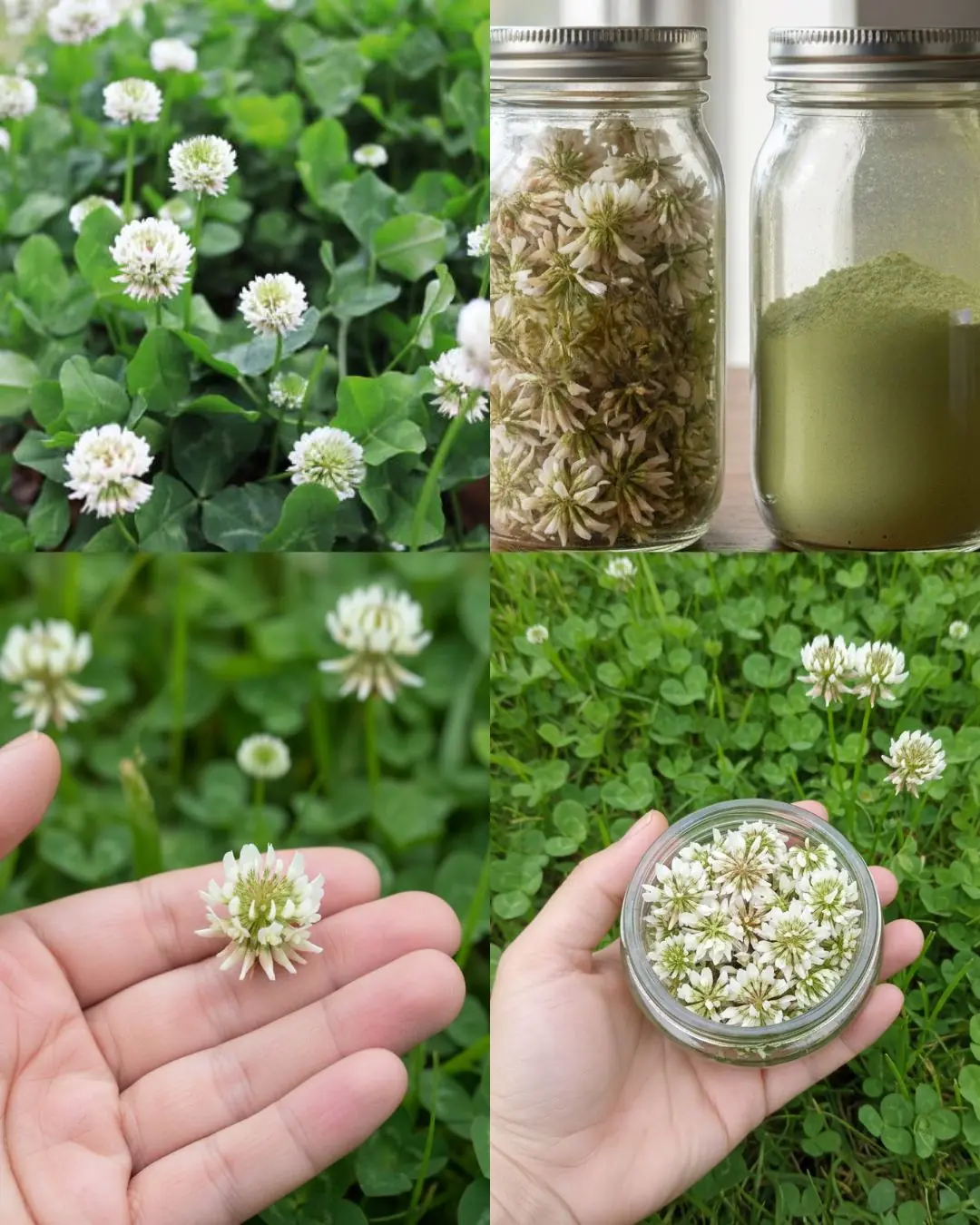
It's a pain killer, helps relieve leg pain, varicose veins, rheumatism, and arthritis...👇
Health 18/02/2026 22:04
Inflammation is the body’s natural defense mechanism against injury, infection, and harmful stimuli. In the short term, it is protective and necessary for healing. However, when inflammation becomes chronic—persisting for months or even years—it can silently contribute to serious health conditions such as heart disease, diabetes, autoimmune disorders, and even certain cancers.
According to a gut health specialist at Harvard University, the foods we consume daily play a critical role in either triggering or calming inflammatory processes within the body. Emerging research increasingly shows that diet is one of the most powerful tools for regulating inflammation and protecting long-term health.
The digestive system is not only responsible for breaking down food—it is also deeply connected to the immune system. In fact, a large portion of the body’s immune cells reside in the gut. When the gut microbiome (the community of beneficial bacteria in the digestive tract) is balanced and healthy, it helps regulate inflammation effectively.
However, when gut health is compromised—due to poor diet, excessive processed foods, or high saturated fat intake—the body may enter a state of persistent low-grade inflammation. Over time, this imbalance can weaken immune defenses and increase susceptibility to chronic disease.
The Harvard specialist explains that certain common foods can disrupt the gut lining and alter the microbiome, making inflammatory responses stronger and harder to control.
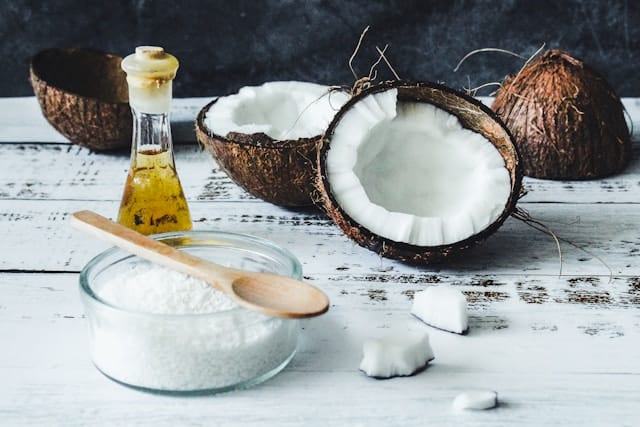
Coconut oil and palm oil are widely used in cooking and packaged foods. While often marketed as natural or healthy, these oils are high in saturated fats. Excessive consumption of saturated fat has been linked to increased inflammation and elevated LDL (“bad”) cholesterol levels, which may raise the risk of cardiovascular disease.
Although small amounts may be acceptable in a balanced diet, relying on these oils regularly can strain the body’s inflammatory control systems.
Healthier Alternatives:
Extra-virgin olive oil and flaxseed oil are better choices. Olive oil is rich in monounsaturated fats and contains polyphenols—plant compounds known for their anti-inflammatory effects. Flaxseed oil provides omega-3 fatty acids, which help counteract inflammatory pathways in the body.
Fatty cuts of beef, pork, and processed meats such as sausages and bacon are high in saturated fats and, in some cases, inflammatory preservatives like nitrates. Frequent consumption has been associated with increased markers of inflammation, heart disease, and metabolic disorders.
While occasional indulgence is unlikely to cause harm, regular intake may contribute to chronic inflammatory states.
Healthier Alternatives:
Lean protein sources such as skinless poultry, fish (especially fatty fish like salmon rich in omega-3s), and plant-based proteins such as beans and lentils provide essential nutrients without promoting inflammation. Plant proteins also supply fiber, which nourishes beneficial gut bacteria.

Ultra-processed foods often contain artificial additives, preservatives, refined sugars, and trans fats. These ingredients can disrupt gut bacteria and activate inflammatory pathways. Diets high in processed foods have consistently been linked to obesity, insulin resistance, and chronic disease.
The Harvard expert emphasizes that a whole-food-based diet naturally reduces inflammatory triggers while providing protective nutrients.
Healthier Alternatives:
Choose fresh fruits, vegetables, whole grains, nuts, and seeds. When purchasing packaged products, opt for items with short, recognizable ingredient lists. Whole foods are rich in fiber, antioxidants, vitamins, and minerals that actively combat inflammation.
Sugary beverages—including sodas, energy drinks, sweetened teas, and fruit-flavored juices—contain high amounts of added sugars with minimal nutritional benefit. Excess sugar intake is strongly associated with chronic inflammation, obesity, type 2 diabetes, and heart disease.
Liquid sugar is particularly harmful because it is absorbed quickly, causing rapid spikes in blood sugar and insulin, both of which promote inflammatory responses.
Healthier Alternatives:
Switch to herbal teas, plain water, or water infused with fresh fruit, lemon, cucumber, or herbs. These options hydrate the body without triggering inflammatory pathways.
The Harvard gut specialist recommends adopting an anti-inflammatory eating pattern centered on:
Colorful fruits and vegetables
Whole grains like oats and quinoa
Healthy fats such as olive oil
Fatty fish like salmon and sardines
Nuts and seeds
Legumes and plant-based proteins
These foods are rich in antioxidants, fiber, omega-3 fatty acids, and phytonutrients that help neutralize inflammation at the cellular level while supporting a diverse and healthy gut microbiome.
Diet alone is not the only factor influencing inflammation. A comprehensive approach includes:
Regular physical activity
Adequate sleep (7–9 hours per night)
Stress management techniques such as meditation or deep breathing
Avoiding smoking and excessive alcohol consumption
Chronic stress and sleep deprivation can independently increase inflammatory markers, making lifestyle balance just as important as food choices.
Inflammation is not inherently harmful—it is a vital biological process. But when fueled by poor dietary habits and unhealthy lifestyle choices, it can become a silent contributor to chronic disease. By prioritizing whole, nutrient-dense foods and reducing processed, sugary, and high-saturated-fat products, individuals can support gut health, strengthen immune regulation, and promote long-term well-being.
Small, consistent dietary improvements can make a meaningful difference in controlling inflammation and protecting overall health.