How Swimming Rewires the Brain and Strengthens Cognitive Health
Health 13/01/2026 21:10
When you’re feeling under the weather, the foods you choose can play a surprisingly important role in how quickly you recover. Illness places extra demands on the body, and nourishing it with the right ingredients helps support immune function, reduce inflammation, and maintain energy levels. Comforting, easy-to-digest meals are especially helpful because they provide nutrients while being gentle on the stomach.
A classic example is chicken soup, long valued in many cultures as a healing food. Beyond its warmth and comfort, research suggests that components of chicken soup may have mild anti-inflammatory properties and can help ease upper-respiratory symptoms. The steam from a hot bowl may also help relieve nasal congestion, while the broth keeps you hydrated and provides electrolytes when appetite is low. Adding vegetables such as carrots, onions, and celery increases the vitamin and antioxidant content, supporting the immune system as it fights infection.
Citrus fruits such as oranges, lemons, and grapefruit are also valuable allies during illness. They are rich in vitamin C, which supports normal immune function and helps the body maintain healthy skin and mucous membranes—the first line of defense against pathogens. While vitamin C is not a “cure” for colds, a balanced intake may slightly reduce symptom duration and support overall resilience. Including citrus in meals, teas, or snacks can therefore be both refreshing and useful during recovery.
Ingredients like ginger and chili peppers can further complement your cold-fighting routine. Ginger is widely used to soothe nausea, reduce inflammation, and calm sore throats, while chili peppers contain capsaicin, which may help temporarily reduce nasal congestion by thinning mucus. These warming spices can make meals more comforting at a time when appetite often decreases, and they may help you breathe more comfortably.
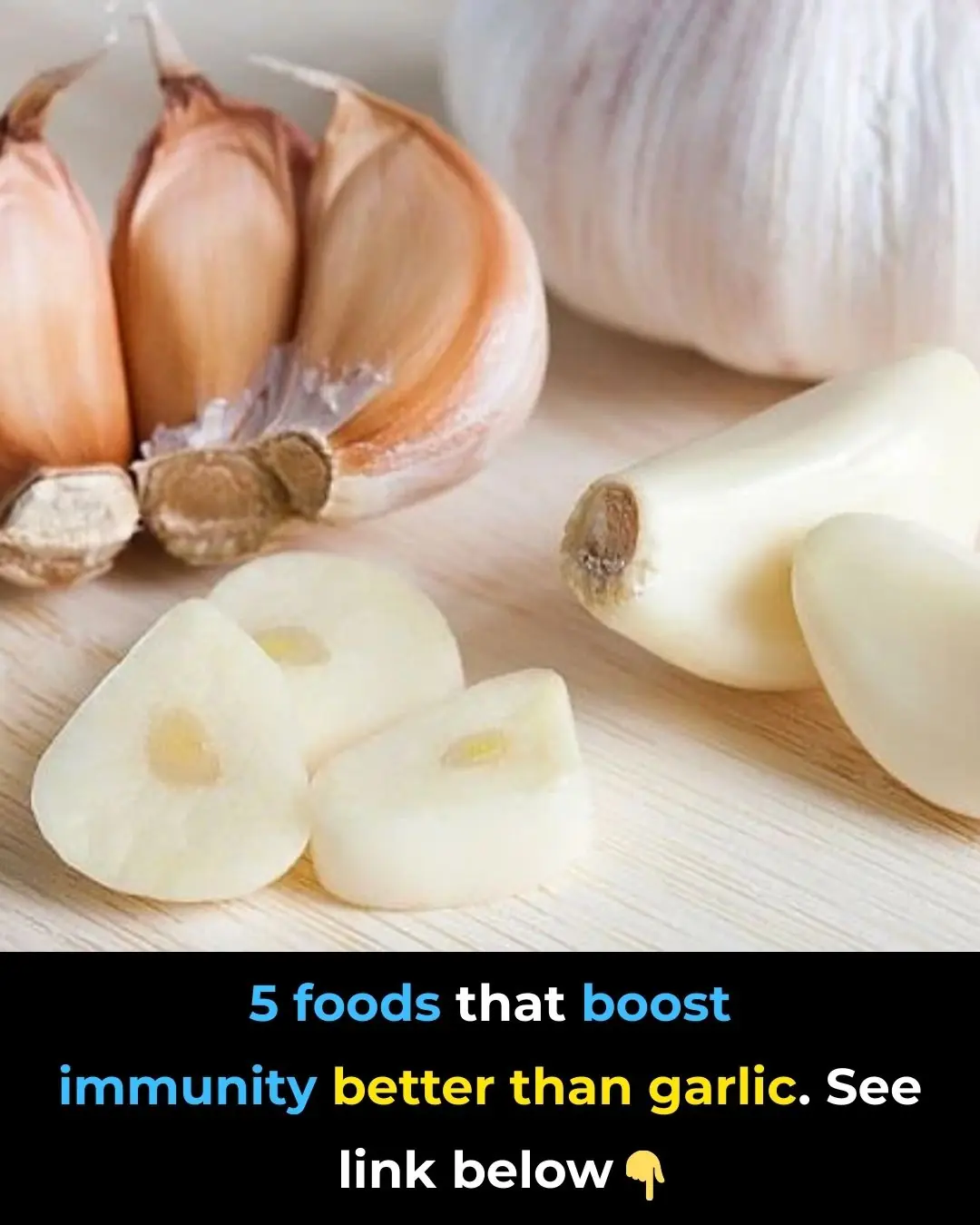
Garlic and honey also play supportive roles. Garlic contains compounds such as allicin that have been studied for their antimicrobial and immune-modulating effects, while honey can help soothe irritated throats and suppress cough, especially when taken in warm water or tea. For adults and older children, a spoonful of honey can be both calming and comforting; however, honey should never be given to infants under one year of age due to the risk of botulism.
Hydration is another essential pillar of recovery. Fever, congestion, and rapid breathing can increase fluid loss, so sipping warm liquids—herbal teas, broth, or warm water with lemon—helps keep the body replenished. Adequate hydration also supports mucus clearance and prevents headaches and fatigue that often accompany dehydration. Listening to your body’s cues, resting, and eating small, frequent meals can make the healing process more comfortable.
By choosing nutrient-dense and soothing foods, you are actively supporting your immune system and giving your body tools to repair itself. Food is not only fuel; it is an integral part of the healing process that can influence energy levels, comfort, and resilience to future illness. While diet alone cannot replace medical treatment when needed, thoughtful nourishment can help you feel better faster and emerge from illness stronger.
Reputable sources for further reading on nutrition and recovery from illness
World Health Organization (WHO): Nutrition and immune health
U.S. Centers for Disease Control and Prevention (CDC): Caring for yourself when you are sick
National Institutes of Health (NIH): Vitamin C and immune function
Harvard Medical School / Harvard Health Publishing: Chicken soup and cold symptom relief
Cochrane Reviews: Diet, hydration, and common cold management
Academy of Nutrition and Dietetics: Food choices during illness and recovery