Top 10 signs of a gallbladder attack
Health 14/02/2026 09:02

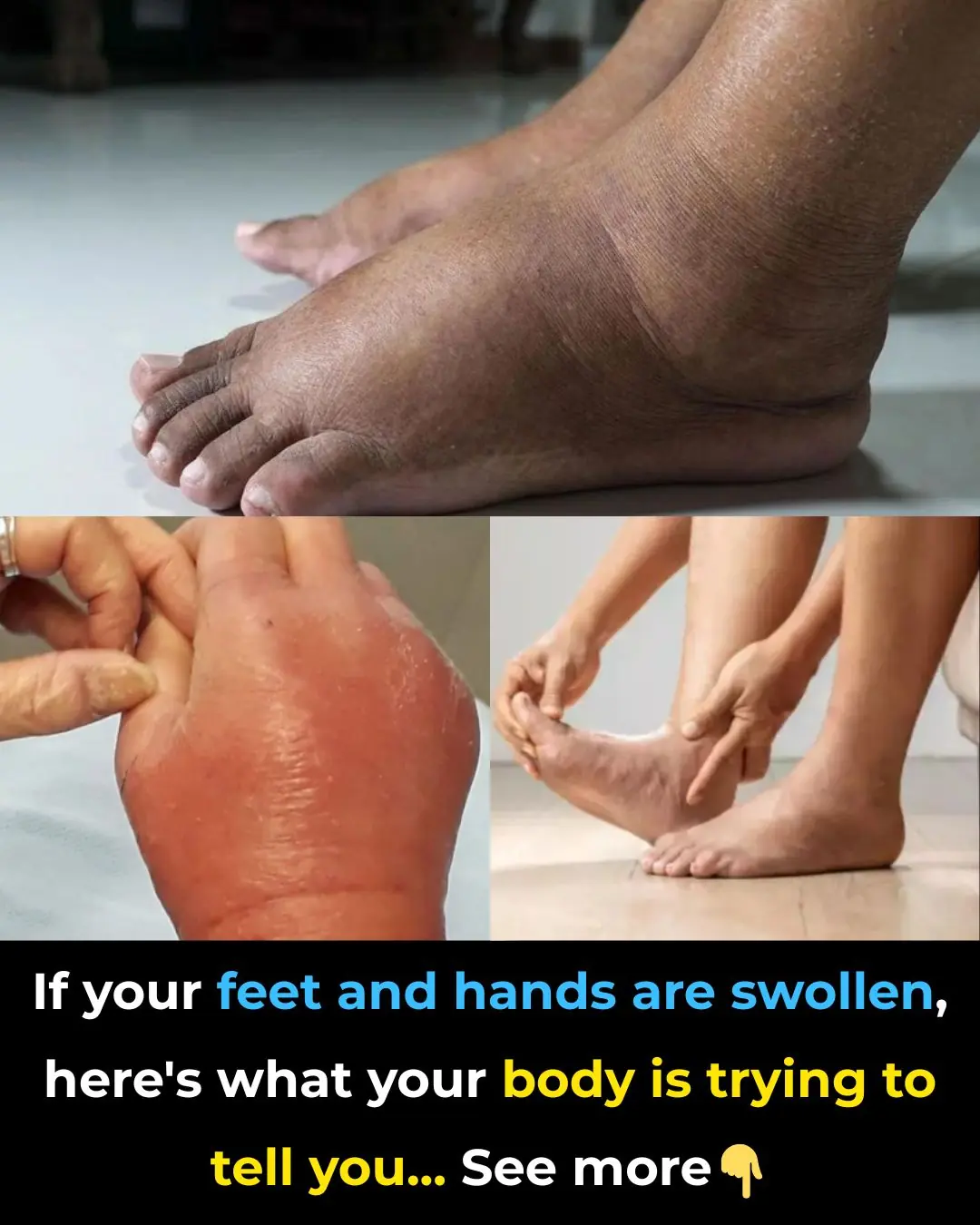
Peripheral neuropathy is a complex and often debilitating condition that affects millions of individuals worldwide. It commonly presents as nerve pain, burning sensations, tingling, numbness, or weakness in the feet, toes, and legs. For many people, these symptoms interfere with sleep, mobility, balance, and overall quality of life. Early recognition and proper management are essential to prevent progression and long-term complications.
In this article, we examine the underlying causes of peripheral neuropathy, the importance of accurate diagnosis, available treatment options, and practical strategies to manage symptoms effectively.
Peripheral neuropathy can result from metabolic disorders, toxic exposure, nutritional deficiencies, autoimmune conditions, or physical nerve injury.
Accurate diagnosis is critical to identify and address the underlying cause.
Treatment typically involves a combination of medications, lifestyle modifications, and supportive therapies.
Simple home practices can significantly improve comfort and function.

Peripheral neuropathy refers to damage or dysfunction of the peripheral nerves—the network of nerves outside the brain and spinal cord. These nerves transmit sensory information (such as pain and temperature), motor signals (muscle movement), and autonomic functions (heart rate, digestion).
When peripheral nerves are damaged, communication between the brain and the rest of the body becomes disrupted. Symptoms often begin in the longest nerves of the body, which is why the feet and lower legs are frequently affected first.
Common symptoms include:
Burning or stabbing pain
Tingling or “pins and needles” sensations
Numbness or reduced sensation
Muscle weakness
Loss of balance or coordination
Diabetes is one of the leading causes of peripheral neuropathy. Chronically elevated blood glucose levels can damage small blood vessels that supply nerves, reducing oxygen and nutrient delivery. Over time, this leads to diabetic neuropathy, most commonly affecting the feet and legs.
Strict blood sugar management is essential to prevent progression.
Excessive alcohol consumption can cause direct nerve toxicity and contribute to vitamin deficiencies, particularly thiamine (B1). Alcoholic neuropathy may present with burning pain, numbness, and muscle weakness, particularly in the lower extremities.
Trauma from accidents, repetitive strain, herniated discs, or spinal stenosis can compress or damage nerves. For example, sciatica occurs when the sciatic nerve is compressed, causing radiating pain down the leg.
B vitamins—especially B1, B6, B9 (folate), and B12—are vital for nerve function and myelin sheath integrity. Vitamin E deficiency may also impair nerve conduction. A deficiency in B12, in particular, can lead to demyelination, resulting in numbness and neurological impairment.
Peripheral neuropathy can also arise from:
Hypothyroidism
Autoimmune diseases (e.g., lupus, rheumatoid arthritis)
Guillain-Barré syndrome
Chronic kidney disease
Infections such as shingles, Lyme disease, or HIV
Exposure to certain chemotherapy drugs
Because neuropathy has many possible causes, identifying the underlying trigger is crucial for effective treatment.
Many individuals mistakenly assume they have peripheral neuropathy when symptoms may stem from other conditions such as spinal nerve compression, vascular disease, or musculoskeletal disorders.
A proper medical evaluation may include:
Neurological examination to assess reflexes, sensation, and muscle strength
Nerve conduction studies (NCS) and electromyography (EMG) to evaluate nerve signaling
Blood tests to detect diabetes, vitamin deficiencies, thyroid dysfunction, or autoimmune markers
Imaging tests such as MRI to identify structural compression
Foot examination by a podiatrist to rule out localized conditions
An accurate diagnosis allows for targeted treatment rather than symptom-based management alone.
Management of peripheral neuropathy typically involves addressing the underlying cause while controlling pain and improving nerve function.
Pain Relievers:
Mild pain may respond to over-the-counter medications. For moderate to severe neuropathic pain, prescription options may be considered.
Antidepressants:
Tricyclic antidepressants (such as amitriptyline) and SNRIs (such as duloxetine) can modify pain-processing pathways in the brain and reduce nerve pain.
Anti-Seizure Medications:
Gabapentin and pregabalin are commonly prescribed to stabilize overactive nerve signals responsible for neuropathic discomfort.
Topical Treatments:
Capsaicin creams or lidocaine patches may help reduce localized pain by desensitizing nerve endings.
Lifestyle plays a powerful role in nerve health.
Nutrition:
A diet rich in whole grains, lean proteins, leafy greens, nuts, and antioxidant-rich fruits supports nerve repair and reduces oxidative stress. Diabetic patients must prioritize tight blood sugar control to prevent further nerve damage.
Exercise:
Regular low-impact exercise—such as walking, swimming, or yoga—improves circulation, reduces inflammation, enhances balance, and strengthens muscles.
Avoid Alcohol and Smoking:
Both substances impair blood flow and worsen nerve damage. Eliminating these risk factors may slow progression and improve symptoms.
Proper Footwear:
Supportive, cushioned shoes with adequate toe space reduce pressure and friction. Custom orthotics may further alleviate discomfort.
Stretching and Massage:
Gentle stretching promotes flexibility and circulation. Massage can reduce muscle tension and enhance blood flow.
Warm Foot Soaks:
Warm (not hot) water may relax muscles and improve circulation. Individuals with reduced sensation must exercise caution to prevent burns.
Epsom Salt Baths:
Magnesium in Epsom salt may promote muscle relaxation and symptom relief for some individuals.
Acupuncture:
Some patients report symptom improvement through acupuncture, which may stimulate natural pain-relieving mechanisms.
TENS Therapy:
Transcutaneous Electrical Nerve Stimulation uses low-voltage electrical currents to block pain signals and stimulate endorphin release.
Physical Therapy:
A structured rehabilitation plan can improve strength, coordination, and fall prevention.
Compression Therapy:
Compression stockings may enhance circulation and reduce swelling, particularly if vascular insufficiency contributes to symptoms.
If symptoms persist, worsen, or significantly impair daily function, further medical evaluation is warranted. In cases involving structural nerve compression, surgical decompression may provide relief. Advanced pain management options such as nerve blocks or spinal cord stimulation may be considered in severe, treatment-resistant cases.
Additionally, sudden onset of weakness, loss of bladder control, or rapid progression of symptoms requires immediate medical attention.
Peripheral neuropathy can significantly affect physical comfort and quality of life, but it is not without management options. A thorough diagnostic evaluation, combined with a comprehensive treatment plan—including medication, nutrition, exercise, and supportive therapies—can greatly reduce symptoms and slow progression.
By addressing underlying causes and adopting proactive lifestyle measures, individuals living with peripheral neuropathy can regain function, reduce discomfort, and improve overall well-being. Early intervention remains one of the most important factors in achieving favorable outcomes.