The cause of Alzheimer’s may lie within your mouth
Health 12/02/2026 13:48
Swelling in the hands and feet is typically not a cause for alarm, unless it occurs suddenly and is accompanied by other concerning symptoms.
There are numerous potential causes for swelling, including poor circulation, fluid retention, and poor posture or movement habits. In most cases, the swelling resolves on its own. However, if it persists, it may signal an underlying health issue such as heart, kidney, or liver failure.
In many instances, simple changes in diet and lifestyle can help manage the swelling in the hands and feet. Certain foods naturally promote healthy circulation, support fluid balance, and combat inflammation. Including these foods in your diet can help reduce swelling in your hands and feet.
Bananas
Bananas are a rich source of essential nutrients, including potassium, vitamin C, and fiber.
When potassium levels are low, the body tends to retain sodium, leading to fluid buildup and swelling in the hands and feet. Consuming potassium-rich foods like bananas, avocados, and oranges helps flush out excess sodium, thereby improving circulation and restoring fluid balance. Believe it or not, a simple habit like eating a banana a day can significantly help control swelling.
Cucumbers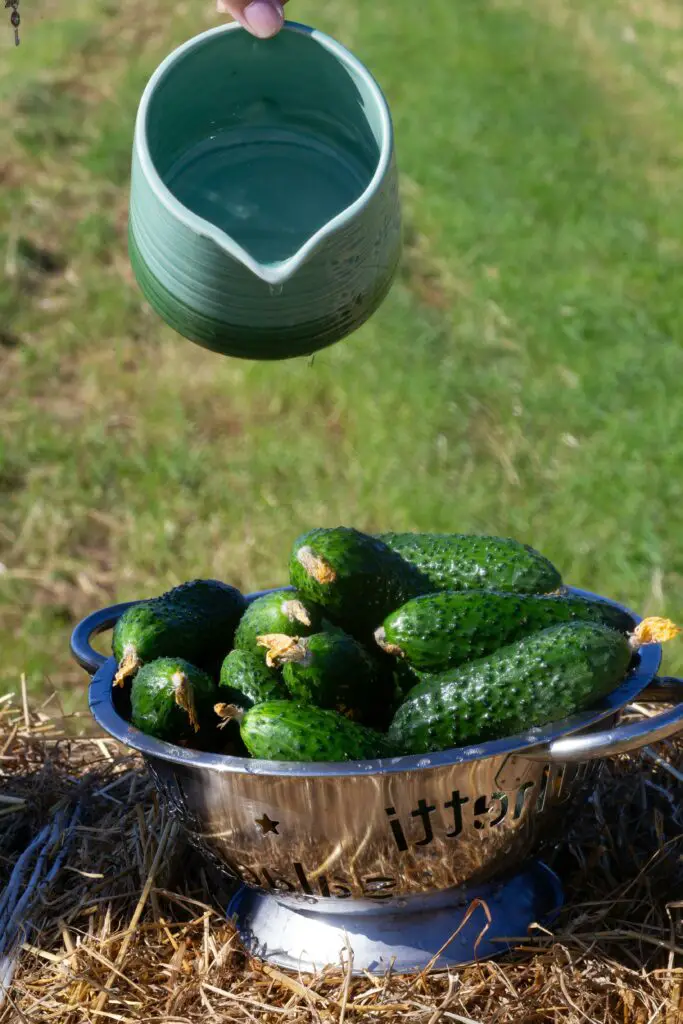
Cucumbers are made up of 90% water, making them an ideal vegetable for hydrating your body.
Additionally, cucumbers are rich in silica and antioxidants that support healthy connective tissues.
Since dehydration is a common trigger for swelling, adding cucumbers to your diet — whether raw, in salads, smoothies, or infused in water — helps you stay hydrated, thus reducing puffiness in your hands and feet.
Watermelon
Watermelon is not only sweet and refreshing but also one of the best foods for combating swelling. Like cucumbers, watermelon helps keep you hydrated, and it also acts as a natural diuretic, helping the body eliminate excess fluid.
Furthermore, watermelon is packed with vitamins A and C and lycopene, which aid in reducing inflammation.
On hot days, or after standing for long hours, treat yourself to a cold slice of watermelon — your body and mind will thank you.
Leafy Greens
Leafy greens, such as spinach, kale, and Swiss chard, are rich in magnesium and potassium, two minerals that work together to maintain steady fluid levels.
As mentioned earlier, potassium helps the body release excess sodium, while magnesium relaxes blood vessels and supports healthy circulation.
Berries
Berries, such as blueberries, strawberries, and raspberries, may be small but are incredibly powerful when it comes to boosting health.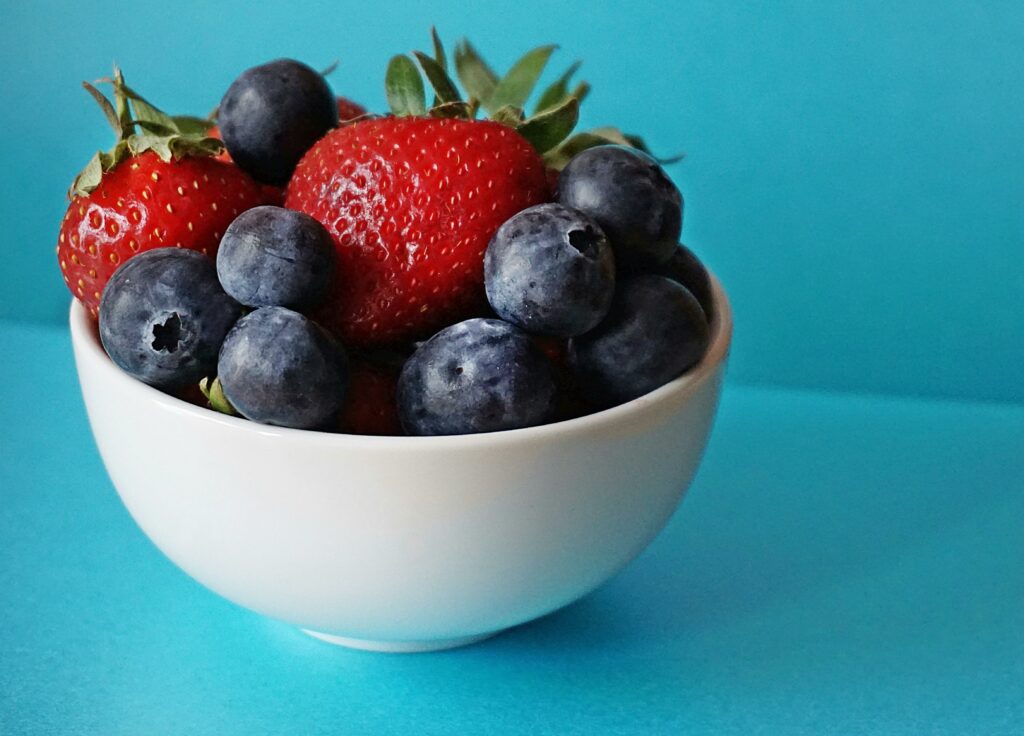
These fruits are loved not only for their flavor but also for their anti-inflammatory properties. They are also packed with antioxidants, especially anthocyanins, which protect blood vessels and improve circulation.
Starting your day with a handful of fresh berries is an excellent way to support your health.
Pineapple
Fresh pineapple chunks or freshly squeezed pineapple juice are a great snack option. Pineapple contains bromelain, a natural enzyme that helps reduce inflammation and improve blood flow.
Athletes often eat pineapple after an injury to help reduce swelling. It's juicy, refreshing, and healthy — what more could you ask for?
Celery
Celery naturally reduces water retention thanks to its diuretic effects, and its fiber promotes healthy digestion and reduces bloating.
While some studies suggest that celery’s diuretic effects are mild, others argue that they are quite strong, indicating that the impact may vary based on how the celery is consumed.
Celery juice has less fiber than the raw vegetable but is richer in water and butylphthalide, making it a potent natural diuretic.
You can enjoy celery as a juice or snack on raw celery sticks — the choice is yours.
Ginger and Turmeric
Ginger and turmeric are well-known for their powerful anti-inflammatory properties. These spices enhance circulation, reduce stiffness, and help manage swelling.
Adding fresh ginger to tea or incorporating turmeric into soups and curries is an easy way to take advantage of their health-boosting benefits.
Nuts and Seeds
While nuts and seeds are not as high in water content or natural diuretic effects as some fruits, they are rich in magnesium, particularly almonds and cashews, which help combat swelling in the hands and feet.
However, it’s essential to avoid salted nuts, as the added sodium can contribute to swelling.
Although the foods discussed in this article can be a helpful addition to a diet aimed at reducing swelling, they should not be seen as a sole solution. If swelling persists, it’s important to seek medical attention.