Sleep deprivation and difficulty falling asleep are far more common than many people realize. At some point in life, most individuals struggle with disrupted sleep, whether it’s trouble drifting off, waking frequently during the night, or rising in the morning feeling unrested. The causes vary widely—from daily stress and anxiety to poor sleep environments, excessive caffeine or nicotine intake, irregular schedules, and underlying medical or hormonal conditions.
When sleep becomes insufficient or inconsistent, the effects can quickly spill into daily life. Fatigue, irritability, brain fog, reduced concentration, and memory lapses are just a few of the common consequences. Over time, chronic sleep deprivation can also impact immune function, mental health, and cardiovascular well-being.
Fortunately, there are techniques designed to help the body and mind transition into sleep more efficiently. One method currently gaining attention on social media is known as the “military sleep method.” The approach was popularized by Justin Agustin, a fitness and health influencer who shared it in a viral TikTok video. According to him, the technique can help people fall asleep in as little as two minutes and has reportedly worked for 96% of those who have tried it.
In the comments section of his video, many users shared positive experiences. Some mentioned learning the method from family members with military backgrounds, while others described trying it as a last resort for insomnia. The method has also been referenced by Glamour, which noted that the technique was originally developed for U.S. military personnel. It was reportedly designed to help soldiers fall asleep quickly—even in high-stress environments such as active combat zones—where rest opportunities were limited and conditions far from ideal.
How the Military Sleep Method Works
The technique is based on progressive muscle relaxation combined with mental visualization. It focuses on deliberately releasing physical tension, which in turn helps calm the nervous system.
Here’s how it’s typically practiced:
-
Relax your facial muscles completely
Close your eyes and consciously release tension in your forehead, jaw, tongue, and the muscles around your eyes. Let your face go slack. -
Drop your shoulders and relax your upper body
Allow your shoulders to fall naturally. Relax your neck, arms, and hands—one side at a time if needed. Let them feel heavy. -
Control your breathing
Exhale slowly and deeply, expanding your chest while keeping your shoulders relaxed. Focus on steady, calm breathing. -
Release tension in your lower body
Relax your thighs first, then your calves, ankles, and feet. Imagine the tension flowing downward and out of your body. -
Clear your mind for 10 seconds
Picture a peaceful, calming scene—such as lying in a canoe on a still lake under a clear sky, or resting in a dark, quiet room. If distracting thoughts appear, gently repeat a simple phrase like “don’t think” for a few seconds to reset your focus.
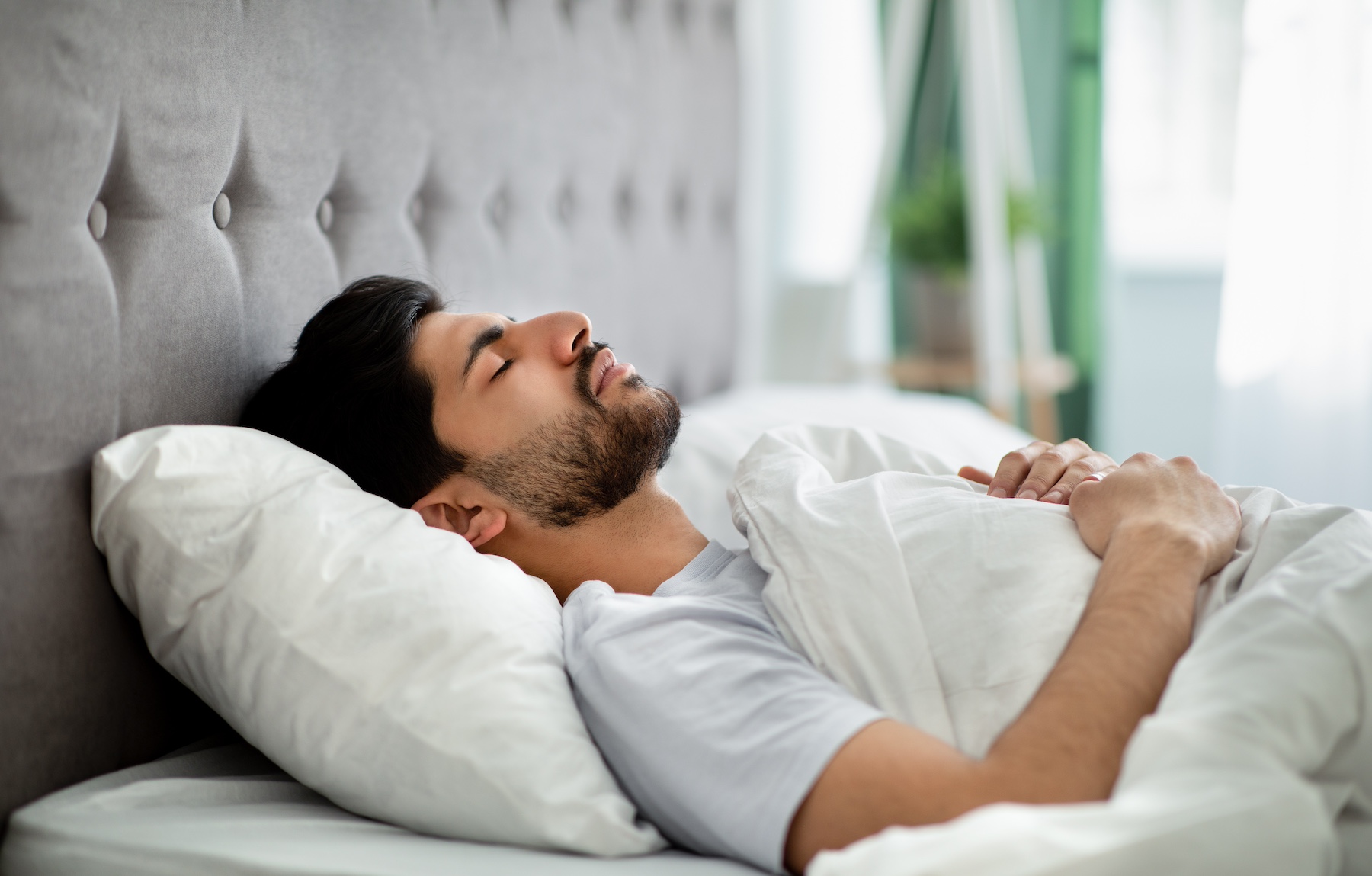
The effectiveness of this method likely stems from its ability to activate the parasympathetic nervous system—the body’s “rest and digest” mode—counteracting the stress response that often keeps people awake. By systematically relaxing muscles and redirecting mental focus, the body receives signals that it is safe to rest.
While results may vary, sleep experts generally agree that relaxation techniques can significantly improve sleep onset when practiced consistently. It may take several weeks of repetition before the method works as quickly as claimed, but many people find gradual improvement.
If sleep problems persist or significantly impact daily functioning, consulting a healthcare professional is recommended. However, for those looking for a simple, drug-free strategy to unwind at night, this military-inspired technique may be worth trying. Sometimes, the key to better sleep lies in teaching both the body and the mind how to let go.