They feel heavy.
Swollen.
Tingly… maybe even numb.
You kick off your shoes at the end of the day, hoping for relief — but your feet remain cold, even in warm weather.
If this sounds familiar, you may be experiencing poor circulation in your legs.
While occasional fatigue after a long day is normal, persistent or worsening symptoms may signal an underlying vascular issue — ranging from chronic venous insufficiency (CVI) to peripheral artery disease (PAD).
The good news?
Many causes are manageable. And in early stages, simple daily habits can significantly improve blood flow and reduce discomfort.
In this guide, you’ll discover:
✅ 8 key signs your leg circulation needs support
✅ The most common — and treatable — causes
✅ 5 science-backed lifestyle strategies that actually work
✅ When to seek immediate medical care (red flags you cannot ignore)
Because your legs carry you through life — they deserve more than just rest.
🔍 8 Signs Your Leg Circulation May Be Compromised
Poor circulation often develops gradually. Early signs can be subtle but persistent.
Watch for:
-
Heavy, tired legs — even after sitting or minimal activity
-
Swelling (edema) in ankles or calves by late afternoon
-
Cold feet or lower legs, despite a warm room temperature
-
Numbness or “pins and needles” sensations, especially when sitting
-
Visible varicose or spider veins — twisted, bluish, or bulging
-
Skin discoloration — reddish, brownish, or pale patches near the ankles
-
Slow-healing cuts or sores on the legs or feet
-
Leg cramps during walking (claudication) that improve with rest
💡 Important: Symptoms often worsen after prolonged sitting or standing — and improve with movement. That pattern is a major clue.
⚠️ When to Seek Immediate Medical Help
Certain symptoms may indicate a serious condition such as deep vein thrombosis (DVT), arterial blockage, or infection.
Seek urgent medical care if you experience:
-
Sudden swelling in one leg (not both)
-
One leg noticeably colder, paler, or bluish compared to the other
-
Chest pain, shortness of breath, or coughing blood (possible pulmonary embolism)
-
Open sores that won’t heal or show signs of infection (redness, warmth, pus, fever)
🚨 Call emergency services immediately if these symptoms occur. Early treatment can be lifesaving.
🩺 Common Causes of Poor Leg Circulation
Understanding the root cause helps guide effective treatment.
1️⃣ Chronic Venous Insufficiency (CVI)
What it is:
Vein valves weaken or become damaged, allowing blood to pool in the legs instead of returning efficiently to the heart.
Common signs:
-
Swelling
-
Varicose veins
-
Skin darkening near ankles
-
Aching or fatigue
More common in:
-
People who stand or sit for long periods
-
Pregnant women
-
Adults over age 50
-
Individuals with obesity
2️⃣ Peripheral Artery Disease (PAD)
What it is:
Arteries narrow due to plaque buildup (atherosclerosis), reducing oxygen-rich blood flow to the legs.
Key symptom:
-
Cramping pain while walking (claudication) that improves with rest
Risk factors include:
-
Smoking
-
Diabetes
-
High cholesterol
-
High blood pressure
-
Family history of cardiovascular disease
PAD is especially important to identify early, as it increases risk for heart attack and stroke.
3️⃣ Lifestyle Factors
Sometimes circulation problems are not disease-based but habit-based.
Contributing factors include:
-
Sedentary behavior
-
Desk jobs or long travel
-
Obesity
-
Smoking (which constricts blood vessels and damages vessel walls)
-
Dehydration
The encouraging part? These are modifiable.
💪 5 Science-Backed Ways to Improve Leg Circulation (Starting Today)
Small, consistent habits can significantly improve vascular health.
1️⃣ Move Every 30 Minutes
Prolonged sitting slows blood flow.
-
Set a timer to stand, stretch, or walk for 2–3 minutes every half hour
-
Perform calf pumps while seated: lift heels, then toes — repeat 20 times
These simple movements activate your calf muscles, often called the “second heart” because they help pump blood upward.
2️⃣ Wear Compression Socks
Graduated compression (15–20 mmHg for mild support) improves venous return by gently squeezing the legs.
Ideal for:
-
Long flights
-
Standing jobs
-
Post-surgery recovery
-
Mild swelling
Consult a healthcare provider before using higher-strength compression.
3️⃣ Elevate Your Legs Daily
Lie down and raise your legs above heart level for 15–20 minutes.
This helps:
-
Reduce swelling
-
Decrease venous pressure
-
Promote blood return to the heart
Try this at the end of your day to relieve heaviness.
4️⃣ Hydrate + Eat Circulation-Supporting Foods
Dehydration thickens blood and slows circulation.
Drink water consistently throughout the day.
Add foods that support vascular health:
→ Leafy greens (dietary nitrates help improve blood flow)
→ Berries (antioxidants reduce inflammation)
→ Fatty fish like salmon (omega-3s support vessel flexibility)
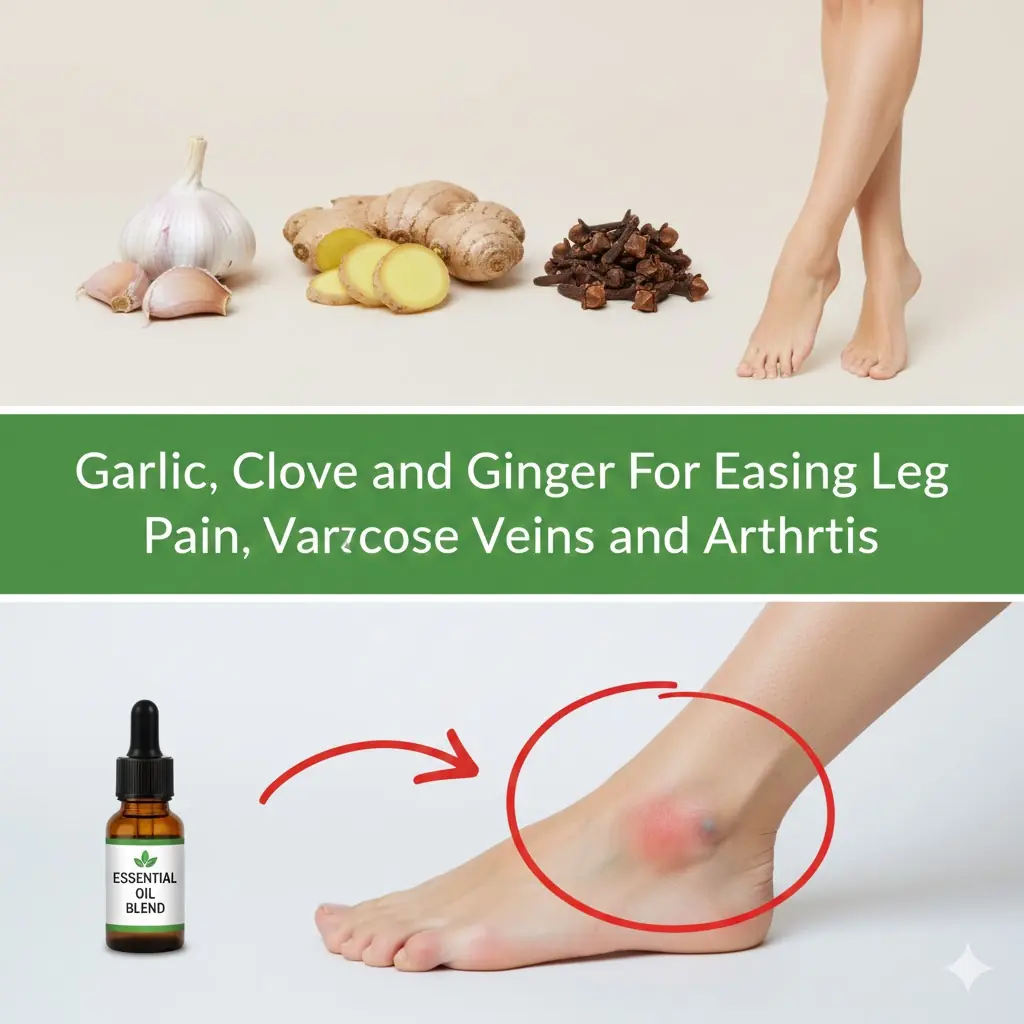
→ Garlic and ginger (natural vasodilators)
Nutrition plays a larger role in vascular health than many realize.
5️⃣ Exercise Regularly
Walking is the #1 recommended exercise for improving circulation.
Aim for:
-
30 minutes per day
-
5 days per week
-
Even broken into shorter sessions
Regular activity strengthens blood vessels, improves oxygen delivery, and reduces plaque buildup over time.
🌿 Bonus Tip: Avoid crossing your legs for long periods — this compresses veins and restricts flow.
❤️ Prevention Is Power
Poor circulation often develops slowly. The earlier you act, the more reversible it is.
By moving more, maintaining a healthy weight, staying hydrated, and paying attention to early symptoms, you protect not only your legs — but also your heart, brain, and long-term vitality.
Circulation health is cardiovascular health.
💬 Final Thought: Your Legs Are Communicating — Are You Listening?
That heaviness.
That tingling.
That persistent cold sensation.
It’s not “just aging.”
It’s feedback from your body.
Take that short walk.
Put on those compression socks.
Elevate your legs tonight.
Your future self — walking comfortably, full of energy, and free from chronic discomfort — will thank you.
🦵 Strong circulation isn’t a luxury.
It’s a foundation for lifelong mobility and independence.
Found this helpful?
👉 Save this guide as part of your wellness routine
👉 Share it with someone who stands all day or works at a desk
👉 Ask yourself: What small habit can I improve today?
Disclaimer:
This article is for educational purposes only and does not replace medical advice. Always consult a qualified healthcare provider for persistent circulation issues — especially if you have diabetes, heart disease, or a history of blood clots.