Don't rush to put ripe bananas in the refrigerator; do this extra step to keep them from becoming mushy or turning black for a whole month.
Tips 19/01/2026 20:43

Pickled mustard greens are a humble yet beloved dish on Vietnamese family tables. A small bowl of golden-yellow, crisp, mildly sour pickles is often enough to elevate an entire meal—especially when paired with rich, protein-heavy dishes.
However, many people complain that homemade pickles spoil easily. They turn overly sour, become soft and mushy, develop an unpleasant smell, or form a cloudy film on the surface after just a few days. Even when all the steps seem correct, the pickles still fail to reach that perfect balance of color, crunch, and gentle tang.
The reason is simple: missing one crucial ingredient makes it very difficult to achieve truly good pickles, no matter how carefully everything else is done.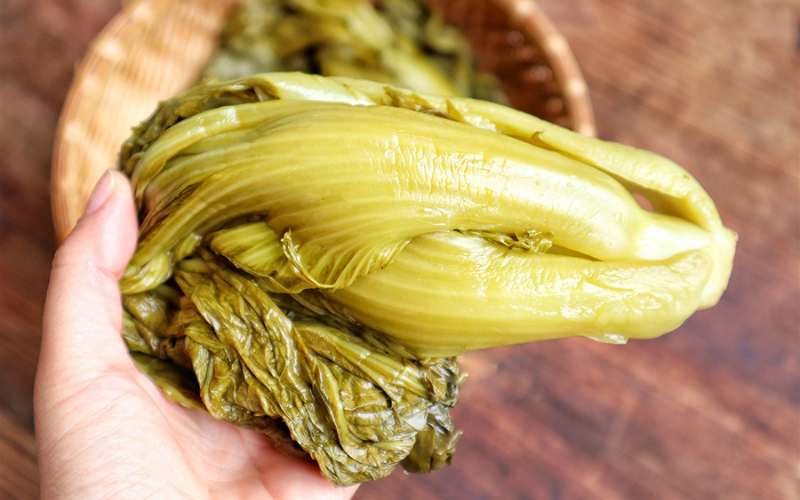
Before revealing the “secret,” it helps to understand the common causes of failure:
Vegetables contain too much water → easily become soggy
Brine is too weak → fermentation happens too fast, causing harsh sourness
Unclean containers or tools → lead to surface scum and bad odors
Lack of a natural fermentation regulator → uneven fermentation and quick spoilage
Among these, the absence of a natural fermentation-balancing ingredient is one of the biggest reasons pickles turn sour too quickly and lose their crunch.
According to traditional kitchen wisdom, a small amount of sugar—or alternatively, second-rinse rice water—is the key to successful pickling. This small addition helps:
Create a naturally golden color
Slow fermentation for a mild, balanced sourness
Maintain crisp texture for longer
Reduce surface scum and unpleasant smells
Many people believe salt alone is enough, but in reality:
Salt suppresses harmful bacteria
Sugar feeds beneficial bacteria, allowing fermentation to proceed slowly and steadily
With a small amount of sugar:
Pickles ferment evenly from the inside out
The sourness is gentle, not sharp or overwhelming
Vegetables keep their firm, crunchy structure
Only a tiny quantity is needed, yet the difference is noticeable.
Mustard greens (or celery, cabbage, etc.)
Coarse salt
White sugar or rock sugar
Boiled water, completely cooled
For 1 liter of water:
1 tablespoon salt
½–1 teaspoon sugar
Avoid adding too much sugar, as this can:
Make the pickles slimy
Cause sweetness to overpower the natural sourness
Trim and clean thoroughly
Rinse quickly
Sun-wilt lightly for 1–2 short sessions
This helps:
Reduce excess moisture
Improve crunch
Minimize surface scum
Never use warm or hot water.
Cool brine ensures:
Slower, cleaner fermentation
No unpleasant odors
More attractive color
Vegetables must be fully submerged
Use a clean weight to press them down
Seal the jar tightly to keep air out
Air exposure is the main cause of:
Surface film
Off smells
Rapid spoilage
After 2–3 days: Mildly sour, crisp, golden, and ready to eat
After 4–5 days: Sourness deepens—refrigerate to slow fermentation
Refrigeration helps:
Extend crunchiness
Prevent excessive sourness
Reduce scum formation
Adding too much sugar
Skipping the wilting step
Using unclean jars or tools
Inserting wet chopsticks into the jar
Storing pickles in overly hot places
Just one of these mistakes can shorten the life of the entire jar.
Pickling vegetables is not difficult, but achieving golden color, lasting crunch, and gentle sourness requires understanding the role of each ingredient. Sugar—or second-rinse rice water—may seem minor, but it is essential. Used correctly and in small amounts, it helps your pickles:
Ferment evenly
Spoil less
Stay delicious much longer
Sometimes, the best kitchen secrets aren’t about complicated techniques—but about knowing the true purpose of every ingredient.
This article shares traditional cooking experience. Results may vary depending on ingredients, environment, and preparation conditions.