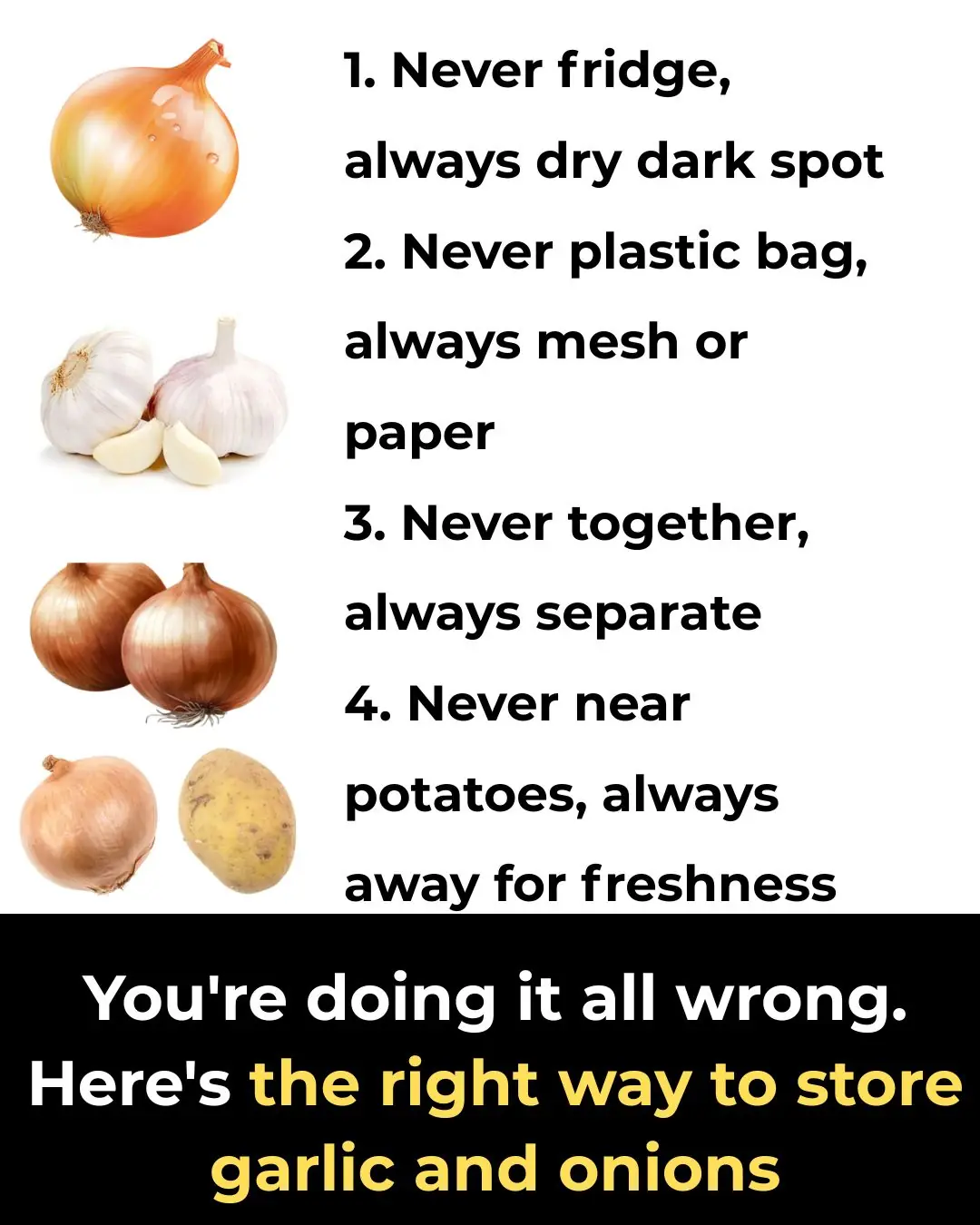
Garlic and onions are staples in kitchens around the world. They add flavor, depth, and aroma to a wide array of dishes, from simple soups to complex gourmet meals. However, improper storage of these essential ingredients can lead to premature spoilage, loss of flavor, and even germination. Understanding the right way to store garlic and onions can help you maximize their shelf life and ensure that they remain fresh and flavorful.
Many of us have been storing garlic and onions incorrectly, often without realizing the impact it has on their quality. Whether it's refrigeration or storing them in the wrong type of container, these common mistakes can significantly affect their longevity and taste. In this article, we will explore the best practices for storing garlic and onions, so you can make the most out of these culinary essentials.
1. The Common Mistake: Refrigerating Garlic and Onions
One of the most widespread misconceptions is that refrigerating garlic and onions prolongs their shelf life. While refrigeration is ideal for some vegetables, it's detrimental to garlic and onions. When stored in the fridge, the moisture and cold temperature can cause garlic bulbs to sprout and onions to become mushy. This is due to the high humidity levels in the refrigerator, which accelerates the decay process.
Refrigerating garlic and onions not only affects their texture but also their flavor. Onions, for instance, can absorb moisture and odors from other foods in the fridge, leading to an undesirable taste. Garlic, on the other hand, can become rubbery and lose its characteristic pungency. Instead of refrigeration, these ingredients should be stored in a way that mimics their natural growing conditions.
2. Optimal Storage: Why a Dry, Dark Spot is Key
The best place to store garlic and onions is in a dry, dark, and well-ventilated area. This environment helps preserve their texture and flavor while preventing the growth of mold and bacteria. A pantry or a cupboard away from direct sunlight is ideal. Exposure to light can trigger sprouting in garlic and onions, reducing their shelf life.
Temperature is another crucial factor. Garlic and onions should be kept at a stable temperature of around 60-75°F (15-24°C). This range prevents the bulbs from sprouting or becoming too soft, ensuring they remain fresh for longer. Proper ventilation is also important to prevent moisture buildup, which can lead to decay.
3. Avoid Plastic: Choosing the Right Bag for Storage
Plastic bags are often used for convenience, but they are not suitable for storing garlic and onions. Plastic traps moisture, which can lead to mold growth and spoilage. Instead, opt for storage options that allow for air circulation.
Using mesh or paper bags is an excellent alternative, as they provide the necessary airflow to keep garlic and onions dry and fresh. These bags also protect the bulbs from light exposure, which can cause sprouting. By choosing the right storage material, you can significantly extend the shelf life of your garlic and onions.
4. The Benefits of Mesh and Paper Bags
Mesh and paper bags are highly effective for storing garlic and onions due to their breathability. Mesh bags, in particular, allow for optimal air circulation, preventing moisture buildup and reducing the risk of mold. They also keep the bulbs from being exposed to light, which can trigger sprouting.
Paper bags, on the other hand, absorb excess moisture and help maintain a dry environment for the onions and garlic. They are also easy to label and store, making it convenient to keep track of your produce. By using these types of bags, you ensure that your garlic and onions stay fresh for weeks or even months.
5. Separate Storage: Why Garlic and Onions Shouldn't Mix
While garlic and onions are often used together in recipes, they should not be stored together. Each has different storage needs and can affect the other's shelf life. Onions release moisture and gases that can cause garlic to spoil more quickly, while garlic's pungent aroma can be absorbed by onions, altering their flavor.
To maintain the quality of both ingredients, store them separately in their respective bags or containers. This separation not only preserves their individual flavors but also prevents cross-contamination and spoilage.
6. The Potato Problem: Keeping Garlic and Onions Apart
Garlic and onions should also be stored away from potatoes. Potatoes emit moisture and gases such as ethylene, which can cause onions and garlic to sprout and spoil more rapidly. This interaction can significantly reduce the shelf life of these ingredients.
To avoid this issue, store potatoes in a separate area of your pantry or kitchen. By keeping them apart, you ensure that each ingredient maintains its freshness and quality for as long as possible.
7. Understanding Ripening: Ethylene Gas and Its Effects
Ethylene gas is a natural plant hormone that promotes ripening in fruits and vegetables. Onions, in particular, are sensitive to ethylene, which can cause them to spoil faster when exposed to it. This is why it's important to avoid storing onions near ethylene-producing fruits like apples and bananas.
Garlic, though less sensitive to ethylene, can still be affected by the presence of this gas. For optimal storage, keep garlic and onions in a cool, dry place away from ethylene-producing items. This will help slow down the ripening process and preserve their freshness.
8. The Ideal Temperature for Storing Garlic and Onions
The optimal temperature for storing garlic and onions is between 60-75°F (15-24°C). At this temperature range, the risk of sprouting and spoilage is minimized. Cooler temperatures, such as those found in refrigerators, can lead to condensation and moisture buildup, which accelerates decay.
Maintaining a consistent temperature is crucial for preserving the quality of garlic and onions. Fluctuations can cause the bulbs to become soft or sprout prematurely. By storing them in a stable environment, you ensure they remain usable for a longer period.
9. How Humidity Impacts Freshness and Flavor
Humidity plays a significant role in the freshness and flavor of garlic and onions. High humidity levels can cause these ingredients to sprout, soften, and rot. Conversely, extremely low humidity can dry them out, affecting their texture and taste.
The ideal humidity level for storing garlic and onions is around 60-70%. This balance prevents moisture buildup while ensuring the bulbs don't become overly dry. By keeping garlic and onions in a well-ventilated area with appropriate humidity, you maintain their freshness and enhance their culinary qualities.
10. The Shelf Life: When to Use or Discard
Garlic and onions have varying shelf lives depending on how they are stored. Under optimal conditions, whole garlic bulbs can last up to three to five months, while individual cloves will keep for about ten days. Onions, when stored properly, can last for one to two months.
It's important to regularly check your garlic and onions for signs of spoilage, such as soft spots, mold, or sprouting. Discard any bulbs that show these signs to prevent them from affecting the rest of your produce. By monitoring their condition, you ensure you're using them at their peak freshness.
11. Debunking Viral Hacks: What Works and What Doesn't
The internet is full of storage hacks for garlic and onions, but not all of them are effective. For example, storing garlic in oil is a popular tip, but it can lead to the growth of harmful bacteria if not refrigerated and used quickly.
Another common hack is freezing onions, which can alter their texture and flavor. While some methods, like using mesh bags, are beneficial, it's important to approach viral hacks with caution and rely on proven techniques for the best results. By understanding what works and what doesn't, you can make informed decisions about how to store your garlic and onions.