25 Remarkable Benefits of Guava Leaves and How to Use Them Safely
Health 16/12/2025 00:48
In recent years, dietary supplements have gone from being a niche health trend to a staple in many households. Today, more than half of American adults take some form of pill, powder, or gummy in hopes of boosting mood, metabolism, muscle mass, or general well-being. TikTok influencers promote berberine for faster metabolism, celebrities swear by sea moss for gut health, and biohackers tout curcumin as their secret to longevity.
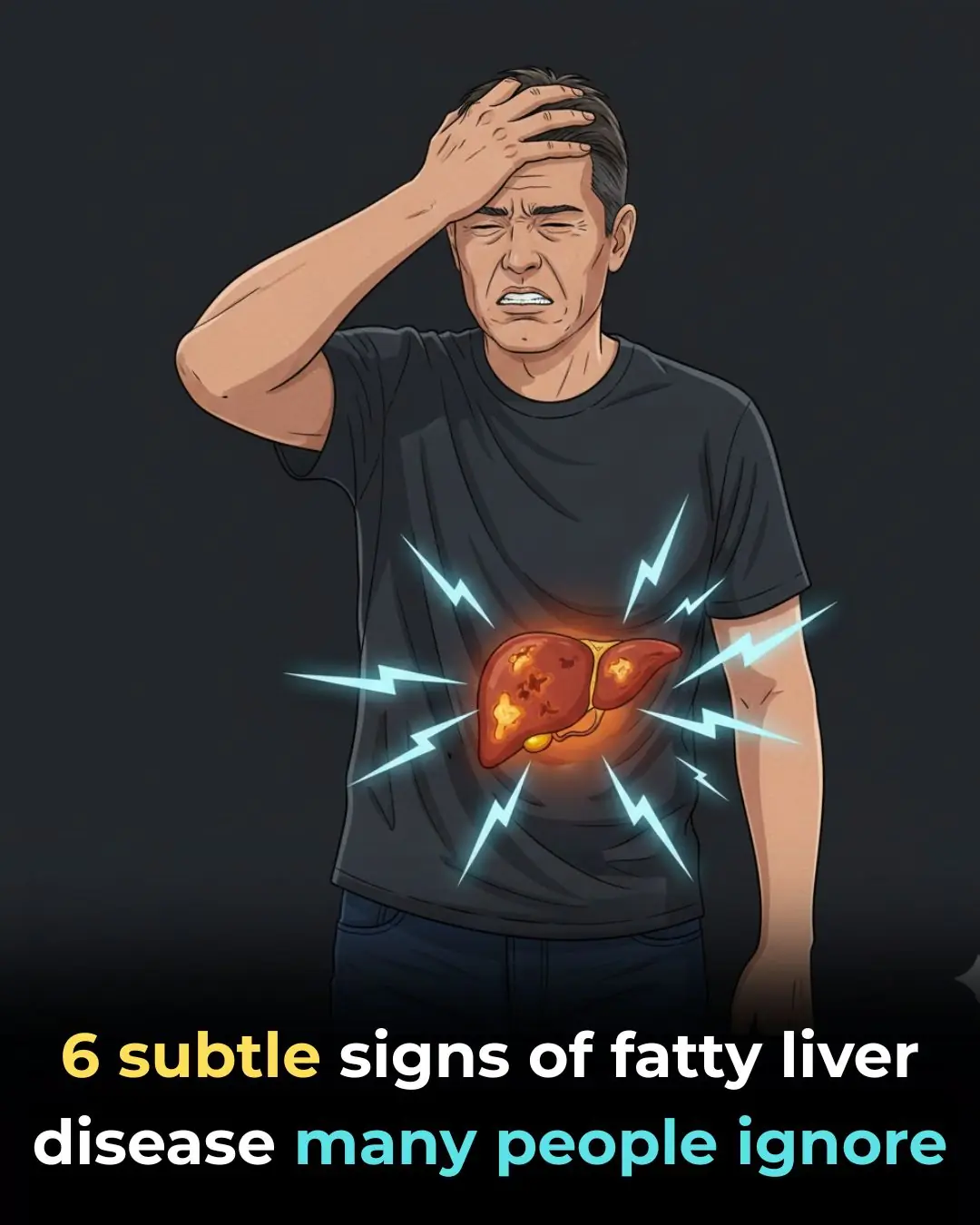
But here’s the catch: while supplements may appear to be quick-fix health solutions, they are increasingly being linked to serious liver damage—and not just mild cases. Over the past few decades, there has been a noticeable rise in severe liver issues, including liver failure, directly tied to supplements. That’s not all: fatigue, digestive problems, mood swings, kidney stones, hair loss, and high blood pressure are also showing up as surprising side effects in the wake of supplement use.
So what’s behind these hidden health risks? Experts point to three major culprits: toxic or poorly tested ingredients, dangerous interactions with prescription medications, and what’s called “megadosing”—taking far more than the recommended amounts.
“Everyone wants a quick fix,” says Dr. JoAnn Manson, a leading physician and professor at Harvard Medical School. “People are chasing the one magic pill to slow aging or prevent disease.”
It’s not surprising that 84% of supplement users genuinely believe these products are safe and effective. The issue is, most of the tens of thousands of supplements on store shelves have never been properly tested for safety or efficacy.
“It’s a bit of a free-for-all out there,” Manson warns. “Consumers need to proceed with caution.”
Humans have relied on herbs, roots, minerals, and other natural remedies for thousands of years. While some of these remedies offer real benefits, the modern supplement industry has transformed these traditional treatments into a multi-billion-dollar market of pills, powders, gummies, and drinks—often marketed as quick fixes for problems your doctor might have overlooked.
According to Dr. Dariush Mozaffarian, a cardiologist and nutrition expert, many people turn to supplements because they feel let down by the traditional healthcare system. Over half of patients report feeling ignored or dismissed by healthcare providers, prompting them to try do-it-yourself medicine, often with supplements.
And yes, supplements can be helpful in certain circumstances:
Folic acid can prevent birth defects during pregnancy.
Vitamin B12 is essential for older adults.
Omega-3s may support heart health.
Probiotics can improve digestion.
These applications are supported by research. But outside of these cases, many supplement claims lack solid scientific evidence. “There’s no strong proof that herbal supplements are essential for general health,” says Dr. Marwan Ghabril, a liver specialist at Indiana University.
In other words, for most people, taking common supplements at recommended doses may not harm—but they likely won’t provide significant benefits either. As Mozaffarian puts it, “You’ll mostly just end up with expensive urine.”
The supplement boom isn’t just filling bathroom cabinets—it’s filling hospital beds. In the U.S., around 20% of all drug-related liver injuries are now caused by herbal and dietary supplements. Some studies suggest this figure could be as high as 43%. Even more alarming, the number of people needing liver transplants due to supplements increased sevenfold between 1995 and 2020.
Doctors are increasingly seeing patients with classic signs of liver failure—yellowing eyes, stomach pain, and extreme fatigue—caused not by obscure products, but by well-known supplements, including:
Green tea extract (common in weight-loss products)
Bodybuilding supplements (sometimes adulterated with hidden steroids)
Multi-ingredient pills for hair growth, mood, or energy
In 2024, researchers reported that 15 million Americans were taking supplements with ingredients potentially harmful to the liver, including turmeric, ashwagandha, black cohosh, garcinia cambogia, red yeast rice, and yes, green tea.
Dr. Ghabril advises avoiding supplements labeled as “herbal” or “botanical,” particularly if they promise to cure everything. “Basic vitamins are generally safe,” he says, “but high doses of niacin, for example, can damage the liver.”
And here’s a key point: natural does not automatically mean safe. Some supplements can disrupt bile production, trigger inflammation, or interact unpredictably with other medications. For multi-ingredient products, it’s often impossible for scientists to pinpoint which component is harmful.
Beyond potential toxicity, many supplements may not even contain what their labels claim. Manufacturers sometimes substitute cheaper ingredients for more expensive ones without updating the label. Some products have been found to contain heavy metals (like lead or arsenic), bacteria, yeast, synthetic drugs, or mold. In older adults or immunocompromised individuals, these contaminants can trigger serious health issues, including infections, brittle bones, or even cognitive problems.
Mixing multiple supplements—especially in high doses—can also lead to accidental overdoses or dangerous drug interactions.
Some users assume, “If a little is good, a lot must be better.” But with supplements, more can be worse.
“Higher doesn’t mean better,” warns Mozaffarian.
Megadosing—taking far above the recommended daily intake—can overload the system, particularly with fat-soluble vitamins that accumulate in the body. Side effects may include:
Stomach cramps
Headaches
Heart palpitations
Insomnia
Women may be more vulnerable due to body size and metabolism differences, and genetic factors can make reactions highly individual. One person may tolerate green tea extract without issue, while another could end up in the emergency room.
“The same way prescription drugs can cause liver damage, so can supplements,” says Ghabril. “We need stronger regulation and transparency for public safety.”
Unlike prescription drugs, supplements do not undergo strict pre-market testing. The FDA does not require proof of safety or efficacy, leaving consumers to navigate a largely unregulated market.
“It’s frustrating,” says Mozaffarian. “Companies can make millions selling these products without ever proving they work.”
Here are steps to protect yourself:
Talk to your doctor before starting any supplement.
Buy from reputable brands that undergo third-party testing.
Use trusted resources like the NIH’s Office of Dietary Supplements or LiverTox database.
Avoid megadosing or combining multiple supplements.
Be skeptical of products promising miraculous results.
Most importantly, remember that supplements are not a substitute for a healthy lifestyle. “Balanced nutrition, regular exercise, quality sleep, and stress management—that’s the real magic,” says Mozaffarian. “Whenever possible, get your vitamins from food first.”