10 Bizarre Home Remedies
Tips 10/03/2026 20:53
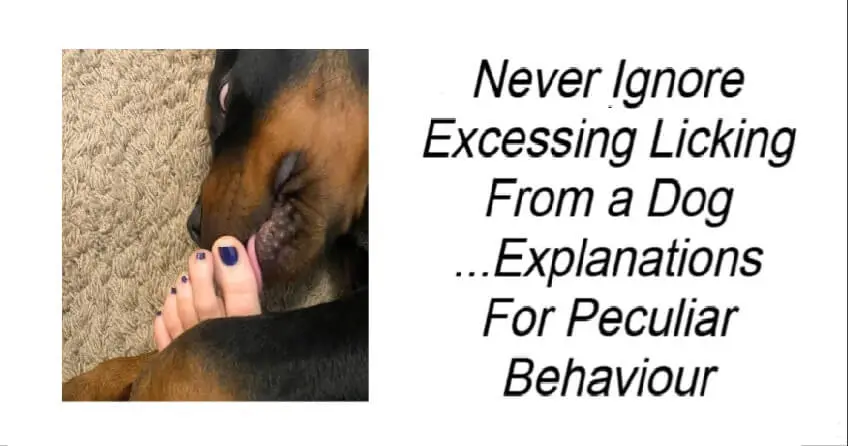
Licking is one of the most natural behaviors for dogs. They use their tongues to groom themselves, communicate with other dogs, show affection to their owners, and explore the world around them. For many dogs, licking is simply part of everyday life.
However, when licking becomes constant, intense, or obsessive, it may indicate that something deeper is going on. In some cases it’s linked to emotional triggers such as boredom or anxiety. In others, it could signal an underlying medical condition that needs attention.
So how can you tell the difference between normal behavior and something that requires concern?
In this guide, we’ll explore the most common behavioral and medical reasons behind excessive licking, so you can better understand your dog and know when it might be time to seek professional help.
In many situations, frequent licking is related to emotions, habits, or learned behaviors rather than health problems. Dogs often repeat actions that make them feel comforted or rewarded.
Here are some of the most common behavioral explanations.
Licking can be a self-soothing behavior for dogs. When they lick repeatedly, their brains release chemicals such as dopamine and endorphins that help them feel calmer and more relaxed.
Dogs who spend long periods alone or lack physical and mental stimulation may begin licking as a way to cope with stress or boredom.
Signs to watch for:
Licking happens more when the house is quiet
Your dog licks excessively when left alone
The behavior increases during stressful situations
What may help:
More daily exercise and outdoor walks
Interactive toys or puzzle feeders
Training games that stimulate their mind
Reducing long periods of isolation
These activities can redirect your dog’s energy and reduce stress-driven licking.
Dogs often lick people as a way of expressing affection. Puppies learn this behavior from their mothers early in life, and many continue the habit into adulthood.
For dogs, licking can mean something similar to hugging or kissing in human terms.
You might notice this behavior when:
Your dog greets you after being apart
They cuddle close to you
They interact with other pets in the household
In these situations, licking is usually harmless and simply reflects your dog’s desire to bond and connect.
Sometimes dogs lick simply because it gets a reaction from their owner. If licking results in attention—whether positive or negative—the behavior can quickly become reinforced.
Your dog may lick when:
You return home from work
You stop interacting with them
They want to initiate playtime
If attention-seeking is the cause, it can help to redirect the behavior.
Tips:
Offer a toy when your dog starts licking excessively
Reward calm behavior instead of licking
Teach alternative greetings, such as sitting politely
Over time, consistent training can reduce attention-driven licking.
Like nail-biting in humans, licking can sometimes turn into a repetitive habit. Once the behavior becomes ingrained, dogs may continue licking even when the original cause is no longer present.
This is especially common in dogs that experienced stress, boredom, or lack of stimulation earlier in life.
To break the cycle:
Interrupt licking gently with commands or distractions
Provide chew toys or enrichment activities
Increase daily exercise and structured routines
Consistency and patience are key when addressing habitual behaviors.
Dogs experience the world largely through their senses, including taste. Your skin may carry flavors that are interesting to them, such as salty sweat, food residue, or even scented lotions.
Sometimes dogs lick simply because something tastes intriguing.
If licking becomes excessive, you may try:
Washing hands or skin areas your dog frequently licks
Avoiding heavily scented lotions or creams
Redirecting your dog’s attention to toys or treats
In many cases, removing the interesting scent solves the problem.
Licking can also be connected to hunger. In the wild, puppies lick their mother’s mouth to signal that they are ready to eat. Some adult dogs retain this instinctive behavior.
You may notice increased licking:
Close to feeding times
Around food bowls or kitchen areas
When your dog smells food being prepared
If the behavior occurs consistently before meals, your dog may simply be expressing anticipation or hunger.
While behavioral causes are common, persistent licking can sometimes signal a medical issue. If the licking is intense, localized to one area, or causes skin irritation, it’s important to investigate further.
Below are some health-related conditions that may trigger excessive licking.
Allergies are one of the most frequent medical causes of excessive licking in dogs. Environmental allergens such as pollen, grass, mold, or dust can make a dog’s skin extremely itchy.
Food sensitivities can also trigger similar symptoms.
Common signs include:
Constant licking of paws
Red or inflamed skin
Seasonal flare-ups
Increased licking after meals
A veterinarian may recommend allergy testing, dietary adjustments, or medications to relieve the irritation.
Bacterial or yeast infections can create intense itching and discomfort. Dogs often lick infected areas in an attempt to soothe the irritation.
Look for symptoms such as:
A strong or musty odor
Hair loss or red patches
Moist or inflamed skin
Persistent licking of a specific spot
These infections require proper veterinary diagnosis and treatment.
Dogs sometimes lick specific joints or body parts when they are experiencing pain. Conditions such as arthritis, injuries, or inflammation can trigger this self-soothing behavior.
Warning signs may include:
Repeated licking of one leg or joint
Limping or stiffness
Difficulty standing or climbing stairs
A veterinary exam and imaging tests may help identify the source of pain.
In rare cases, dogs can develop compulsive behaviors, including repetitive licking. This condition is often linked to long-term stress, trauma, or genetic predisposition.
Dogs with compulsive licking may continue the behavior even when their skin becomes irritated or injured.
Treatment often includes:
Behavioral therapy
Environmental enrichment
In some cases, medication prescribed by a veterinarian
Excessive licking of unusual surfaces—such as carpets, floors, walls, or even the air—may indicate digestive discomfort.
Some research suggests that around 60% of dogs displaying abnormal licking behaviors were found to have gastrointestinal issues.
Possible symptoms include:
Nausea or vomiting
Eating grass frequently
Loss of appetite
Licking floors or furniture
A veterinarian can perform tests to determine whether digestive issues are contributing to the behavior.
Occasional licking is completely normal, but there are situations where professional advice is recommended.
You should consult a veterinarian if your dog’s licking:
Causes hair loss or open sores
Focuses repeatedly on one body part
Appears suddenly without explanation
Is accompanied by vomiting, limping, or changes in behavior
Early evaluation can help identify potential health issues before they become more serious.
For most dogs, licking is simply a natural way to communicate, explore, and bond with their owners. However, when the behavior becomes frequent, obsessive, or harmful, it may signal that something is wrong.
By observing your dog’s habits and recognizing potential triggers—whether emotional, behavioral, or medical—you can better support their well-being.
If you’re ever unsure, consulting your veterinarian is always the safest option. With proper care and attention, you can ensure your dog remains healthy, comfortable, and happy for years to come.