
Which Horse Is Standing in Front
Facts 12/06/2026 15:37
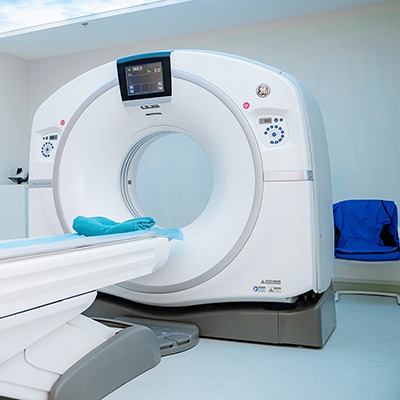
Recent research published in JAMA Internal Medicine (2025) has provided the latest and most accurate estimate of cancer risk related to the use of computed tomography (CT) scans in the United States. This study, which incorporates updated national data, has sparked discussions about the potential long-term effects of radiation exposure from CT imaging, particularly in light of the increasing use of this diagnostic tool.
According to the study, CT scans performed in 2023 could lead to approximately 103,000 future cancer cases over the lifetime of patients, which is estimated to account for about 5% of all new annual cancer diagnoses in the U.S. if current imaging practices and radiation doses remain consistent. This projection is based on modeling that combines national CT usage statistics, which estimate that around 93 million CT scans were conducted in 2023, with established radiation-induced cancer risk models from the National Academy of Sciences (BEIR VII). The model takes into account various factors, including patient age, sex, the region of the body scanned, and the radiation dose administered per exam.
The study suggests that the majority of the projected cancers would be lung, colon, leukemia, bladder, and breast cancers, with abdominal and pelvic CT scans contributing the largest share of cancer cases in adults. In contrast, head CT scans are predicted to contribute more cases in children, as their cells are more sensitive to radiation. It is also noted that while radiation risk per scan is highest in very young patients, most of the projected cancers are expected to occur in adults due to the higher frequency of scans performed in this age group.
Experts stress that these figures represent a projected lifetime risk, not immediate diagnoses of cancer directly caused by CT scans. For individual patients, the absolute risk of developing cancer from a single scan remains small, particularly when the scan is clinically justified and necessary for diagnosis or treatment. This distinction is crucial, as it helps differentiate between theoretical risk and actual risk in specific clinical contexts.
While the study’s findings highlight the potential cancer risk associated with CT scans, it is important to note that CT scans are still essential diagnostic tools that play a vital role in modern medicine. They are instrumental in detecting a wide range of conditions, including cancers, cardiovascular diseases, and internal injuries, often providing life-saving information. As such, experts continue to emphasize that the benefits of CT scans usually outweigh the risks, especially when the scan is clinically necessary.
However, the research also calls for a greater focus on minimizing unnecessary scans and optimizing radiation doses in order to reduce preventable cancer risks. Efforts to improve imaging protocols and reduce radiation exposure without compromising diagnostic quality are crucial. For example, advancements in imaging technology have led to lower radiation doses per scan, and ongoing research is focused on further improving these methods to ensure patient safety.
The findings of this study contrast with older estimates, which suggested a lower percentage of cancers attributable to CT scans, typically in the range of 1-2%. The new study, however, uses updated data reflecting the significant increase in CT usage and more accurate radiation dose models, providing a more realistic and up-to-date projection. This shift underscores the growing importance of addressing the cumulative impact of ionizing radiation from widespread CT use.
Overall, while the 5% figure represents a population-level projection rather than direct causation for any individual, it underscores a critical public health consideration: the contribution of ionizing radiation from frequent CT imaging to cumulative cancer risk. This is especially concerning for younger patients and when scans are performed without a clear medical necessity. As CT technology continues to evolve, the focus must remain on balancing the significant diagnostic benefits with the need to minimize radiation exposure, ensuring that the practice of medicine advances while safeguarding public health.
Sources:
National Academy of Sciences (BEIR VII). (2006). Health Risks from Exposure to Low Levels of Ionizing Radiation: BEIR VII Phase 2. National Research Council.
Brenner, D. J., & Hall, E. J. (2007). Computed Tomography — An Increasing Source of Radiation Exposure. New England Journal of Medicine, 357(22), 2277-2284.
Smith-Bindman, R., et al. (2025). "Cancer Risks From CT Scans: A Study of U.S. Imaging Practices." JAMA Internal Medicine.



Narcissistic Personality Disorder Signs
Study identifies possible connection to autism development

Check your personality based on the word that comes to your mind first





IQ Test: What is the name of the fifth son?

What Does Your Sitting Position Say About Your Personality

What is the name of the father?

Pick Your Throne: A Fun Little Guide to Your Inner Weirdness






Narcissistic Personality Disorder Signs

Debate: Asking Babies for Consent Before Changing Their Diapers
Study identifies possible connection to autism development
Check your personality based on the word that comes to your mind first