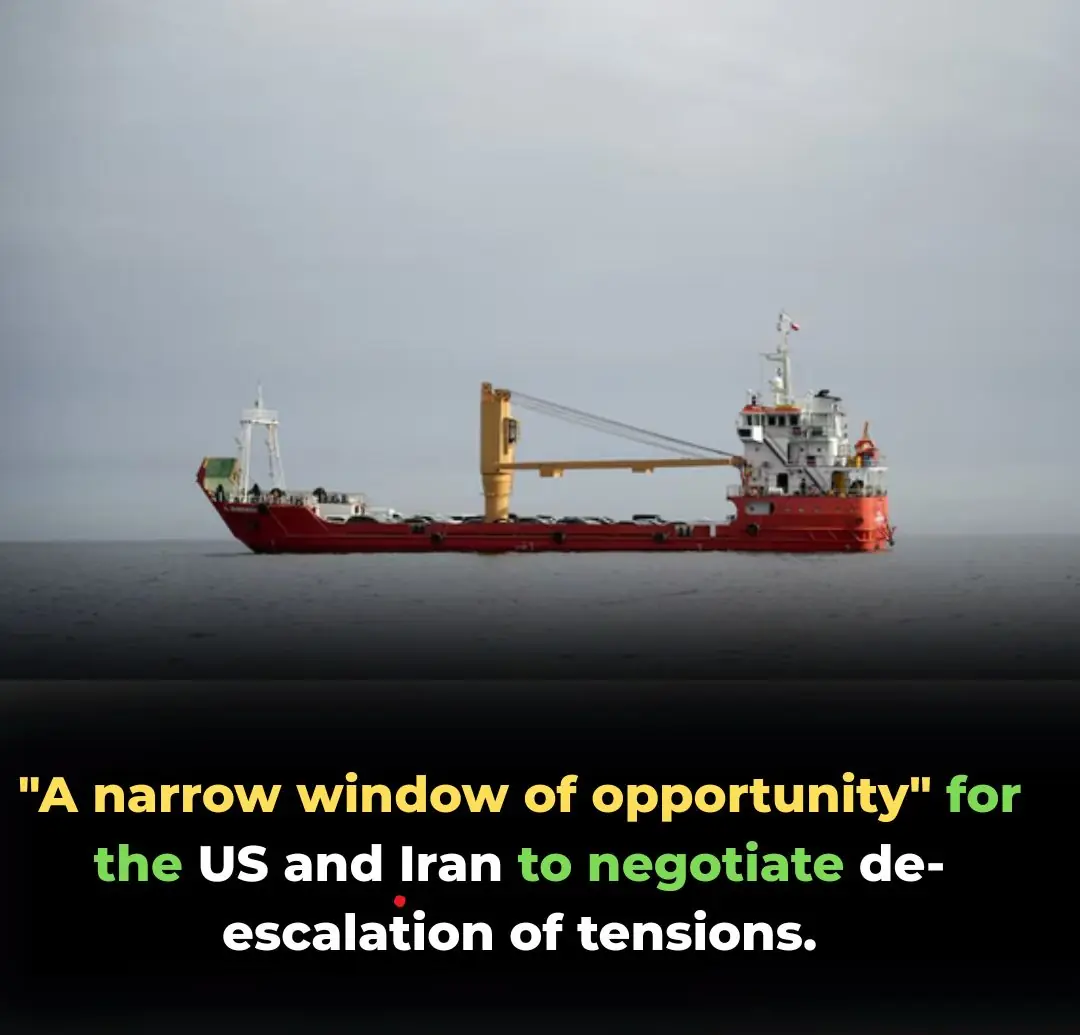
The Narrowing Path: Can the U.S. and Iran De-escalate Amid Rising Middle East Tensions?
News 15/04/2026 15:56
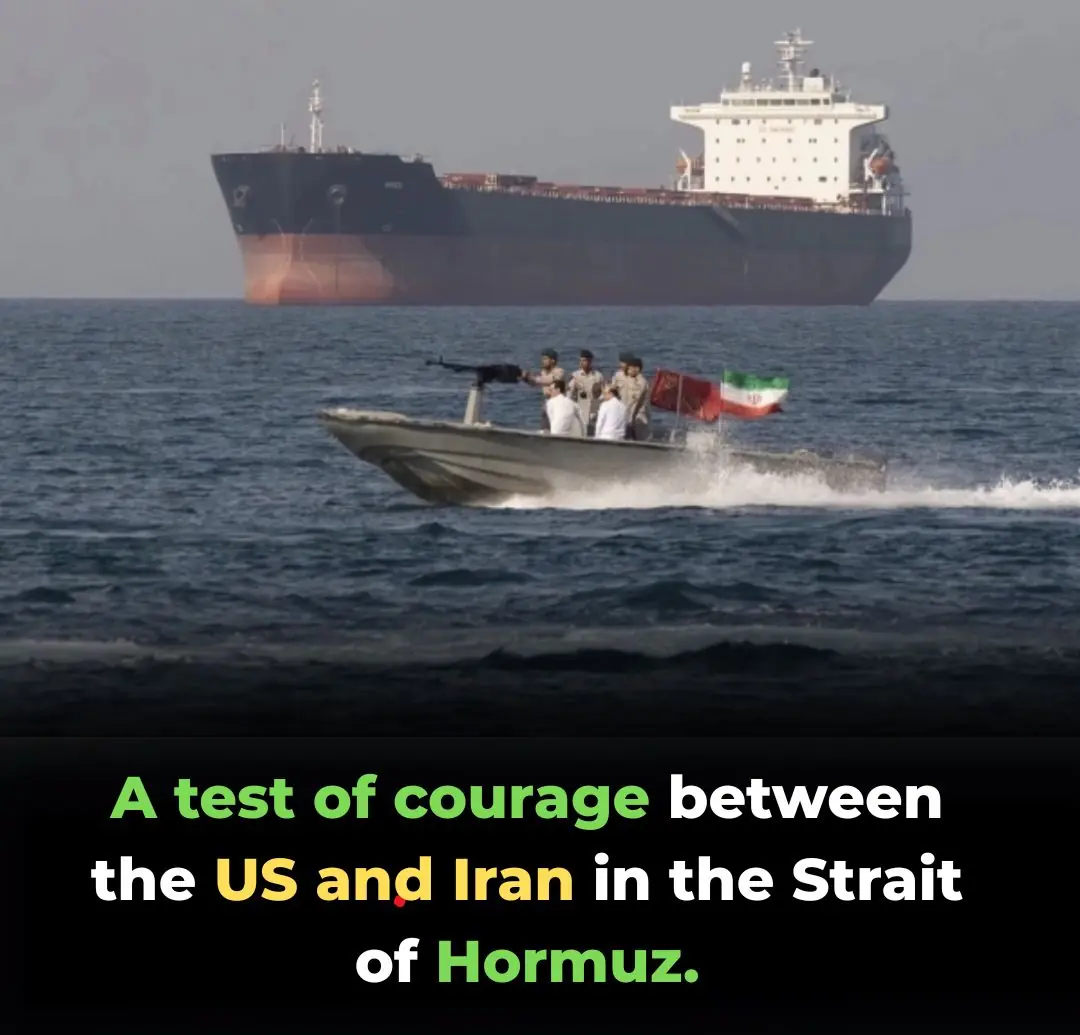
Introduction The Strait of Hormuz, the world’s most important oil transit chokepoint, is once again the stage for a dangerous "game of nerves." Recent encounters between U.S. Navy vessels and Iranian Revolutionary Guard Corps (IRGC) speedboats have escalated concerns over maritime security and the potential for a miscalculation that could trigger a broader regional conflict.
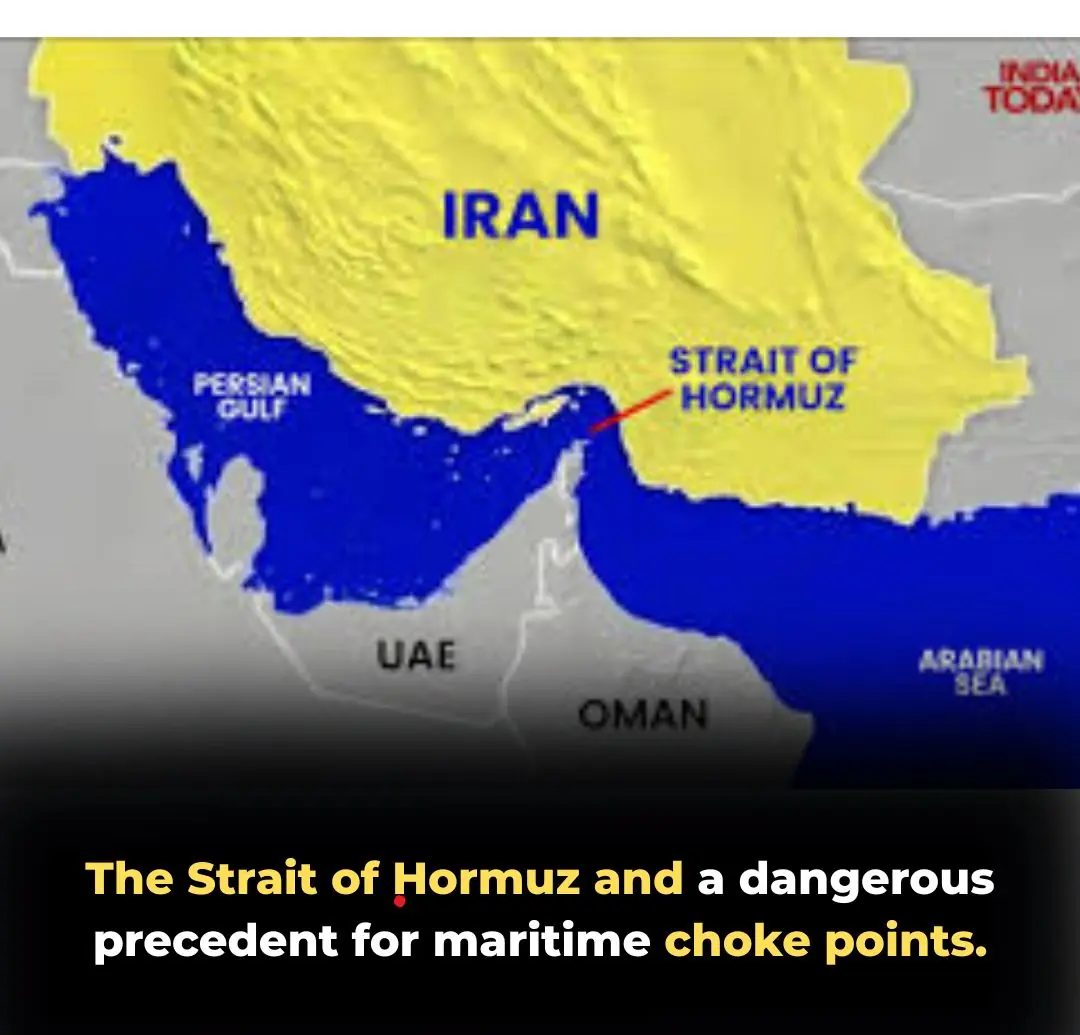
The Strategic Importance of the Strait of Hormuz Located between Oman and Iran, the Strait of Hormuz connects the Persian Gulf with the Gulf of Oman and the Arabian Sea. With approximately one-fifth of the world’s liquid petroleum consumption passing through this narrow waterway daily, any disruption has immediate and volatile effects on global energy prices. For Iran, the strait is a powerful geopolitical lever; for the U.S. and its allies, it is a "red line" for freedom of navigation.
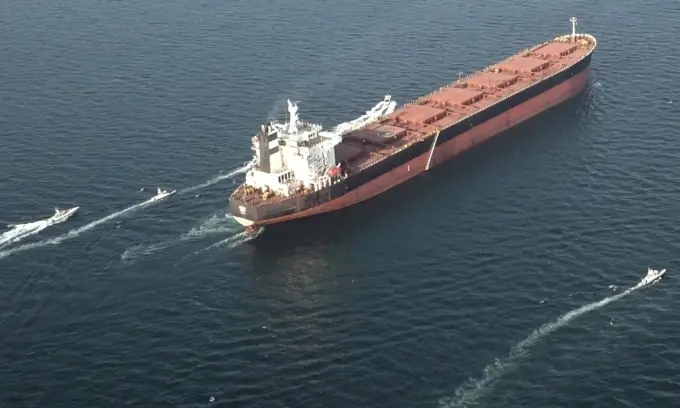
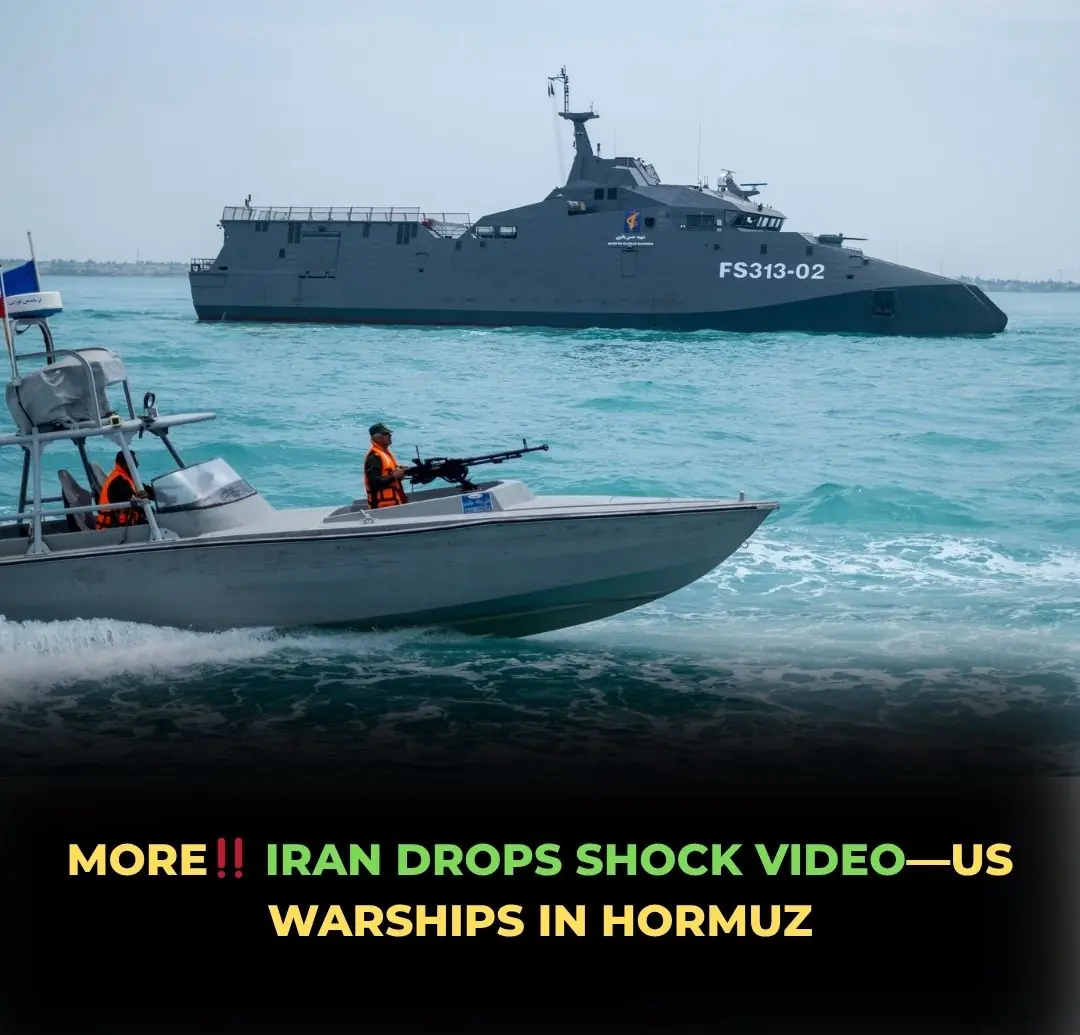
Escalating Naval Encounters Recent reports indicate an increase in "unsafe and unprofessional" maneuvers by Iranian fast-attack crafts. These tactics often involve:
Swarm Tactics: Multiple small, armed boats buzzing around large U.S. warships at high speeds.
Close-Proximity Intercepts: Iranian vessels coming within yards of U.S. destroyers, forcing tactical maneuvers to avoid collision.
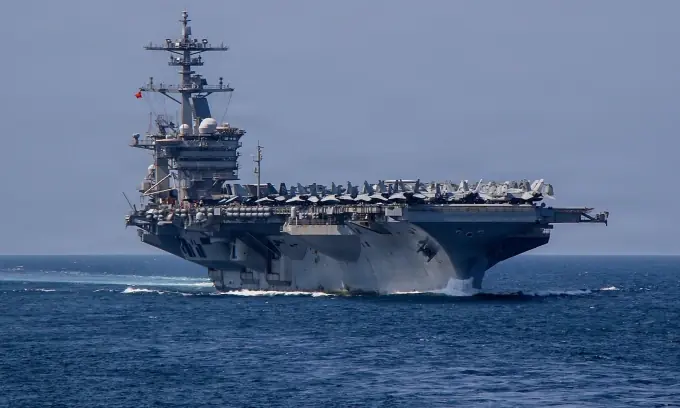
Drone Surveillance: Frequent Iranian UAV overflights monitoring U.S. carrier strike groups.
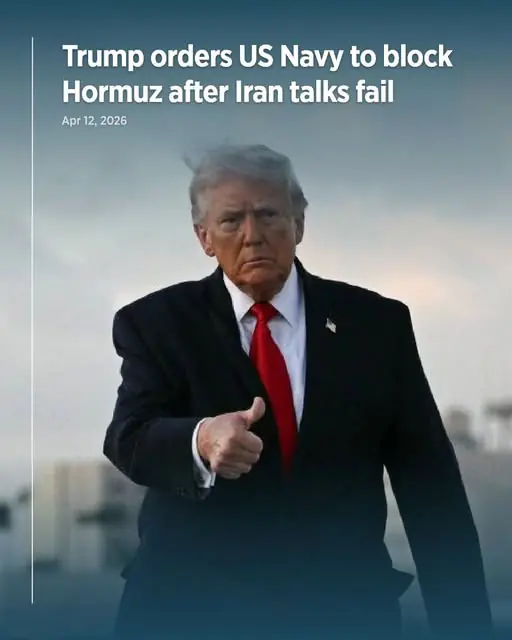
The "Eye for an Eye" Strategy The current friction is not just about maritime rights; it is a physical manifestation of the broader diplomatic deadlock. As the U.S. maintains a robust military presence to deter "malign activities," Tehran views these deployments as an infringement on regional sovereignty. Every move by the U.S. Fifth Fleet is met with a counter-display of force by the IRGC, creating a cycle of brinkmanship.
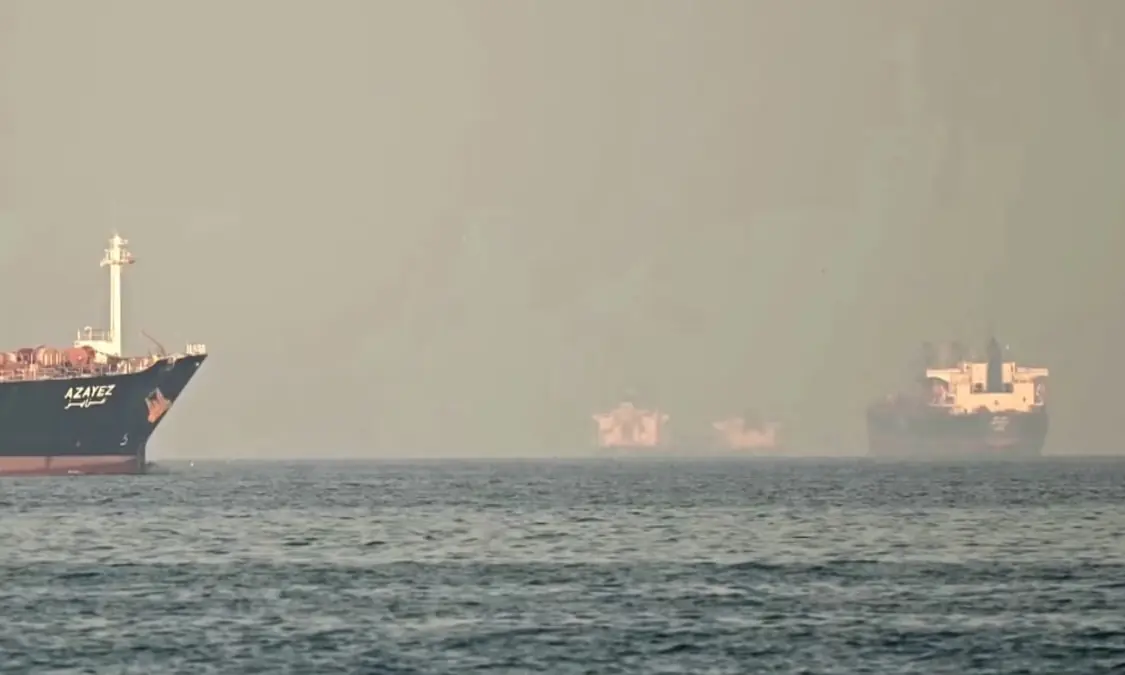
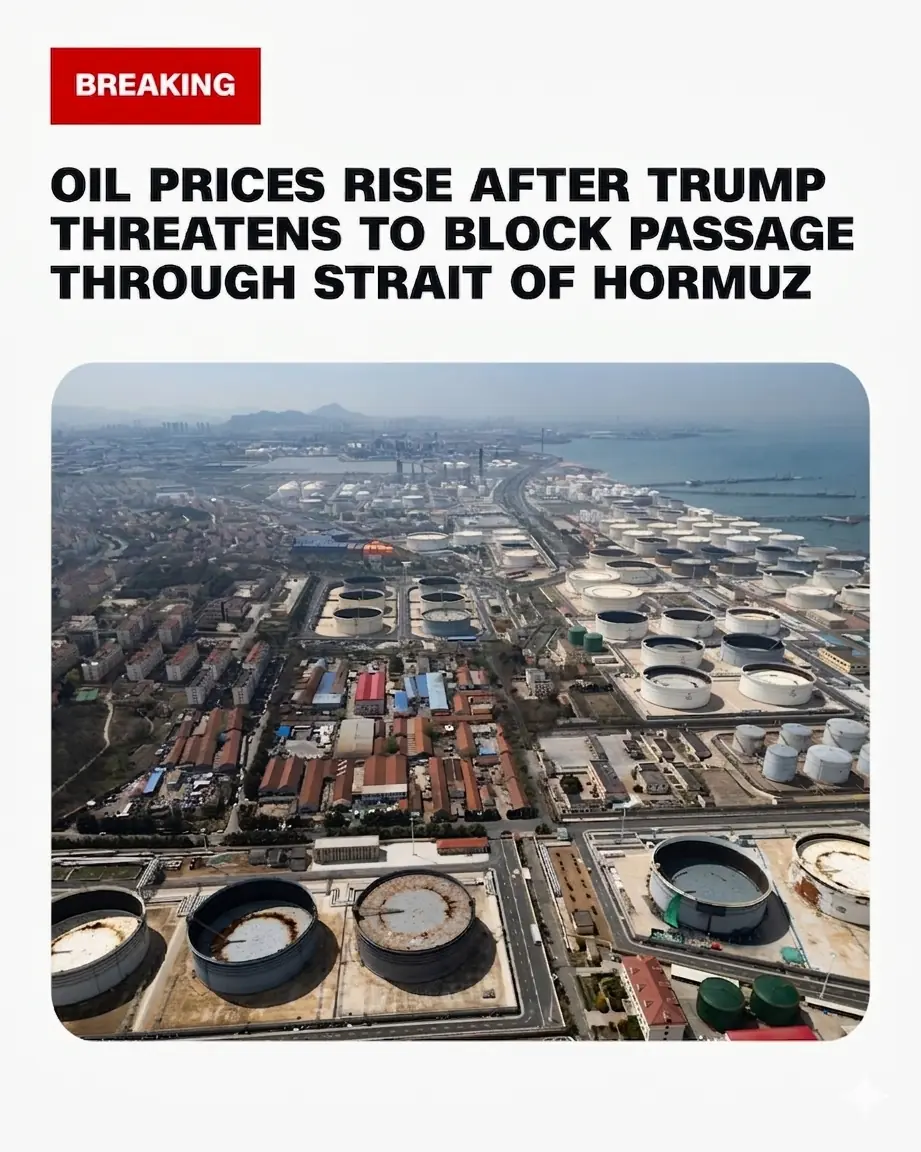
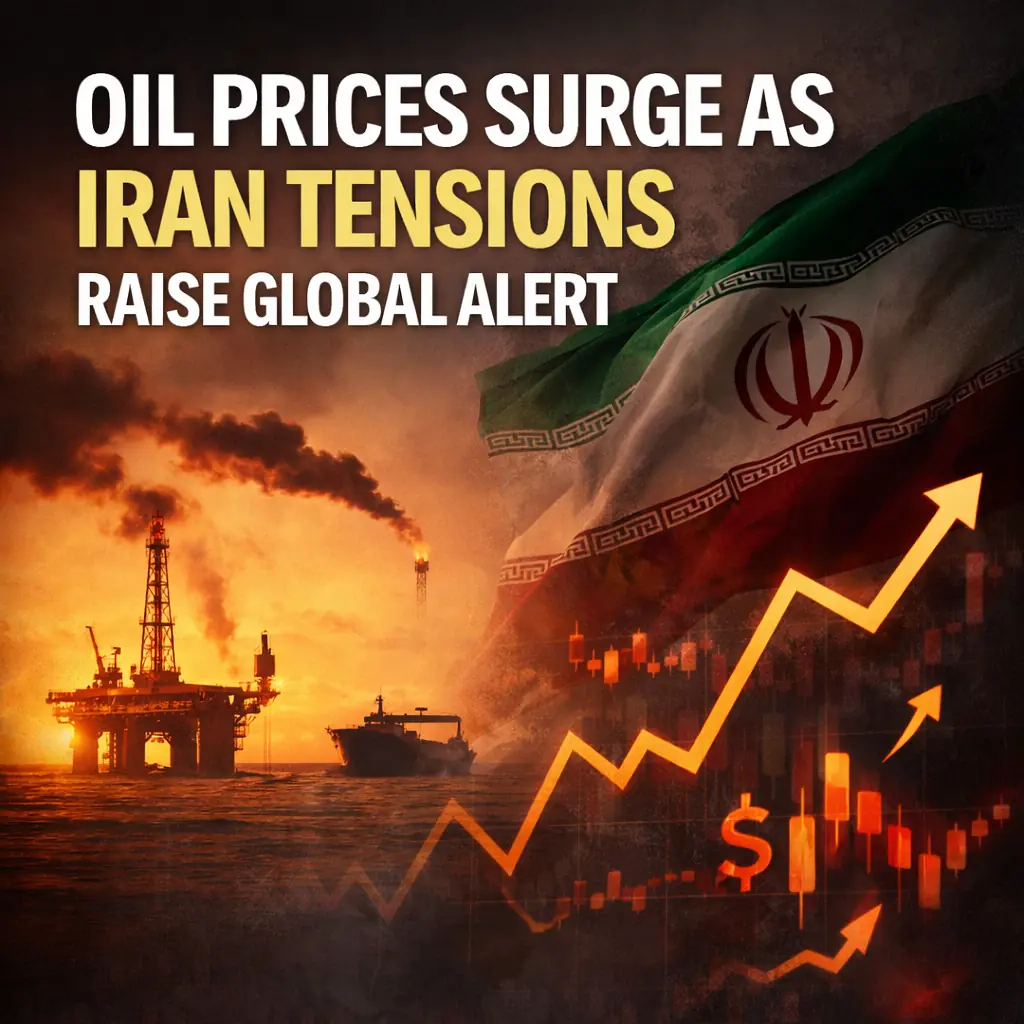
Global Economic Stakes The international community remains on edge. A full-scale closure of the Strait, though considered a "last resort" by analysts, would cause oil prices to skyrocket. Shipping insurance premiums for tankers operating in the Persian Gulf have already seen fluctuations, reflecting the heightened risk of seizure or sabotage.
Conclusion: Can Diplomacy Prevail? While both Washington and Tehran claim they do not seek war, the crowded waters of the Strait of Hormuz leave little room for error. The continued "trial of strength" between the two nations ensures that this narrow passage remains one of the most volatile flashpoints in modern geopolitics.