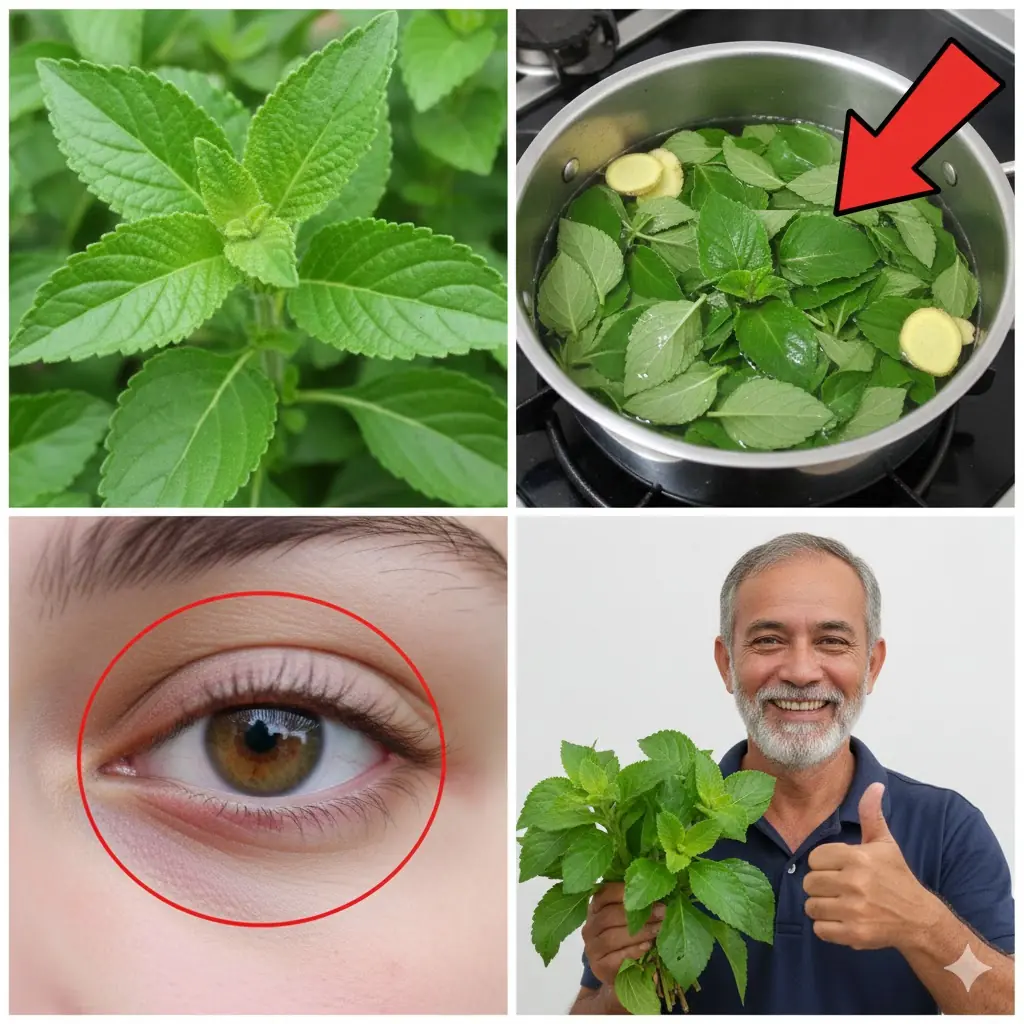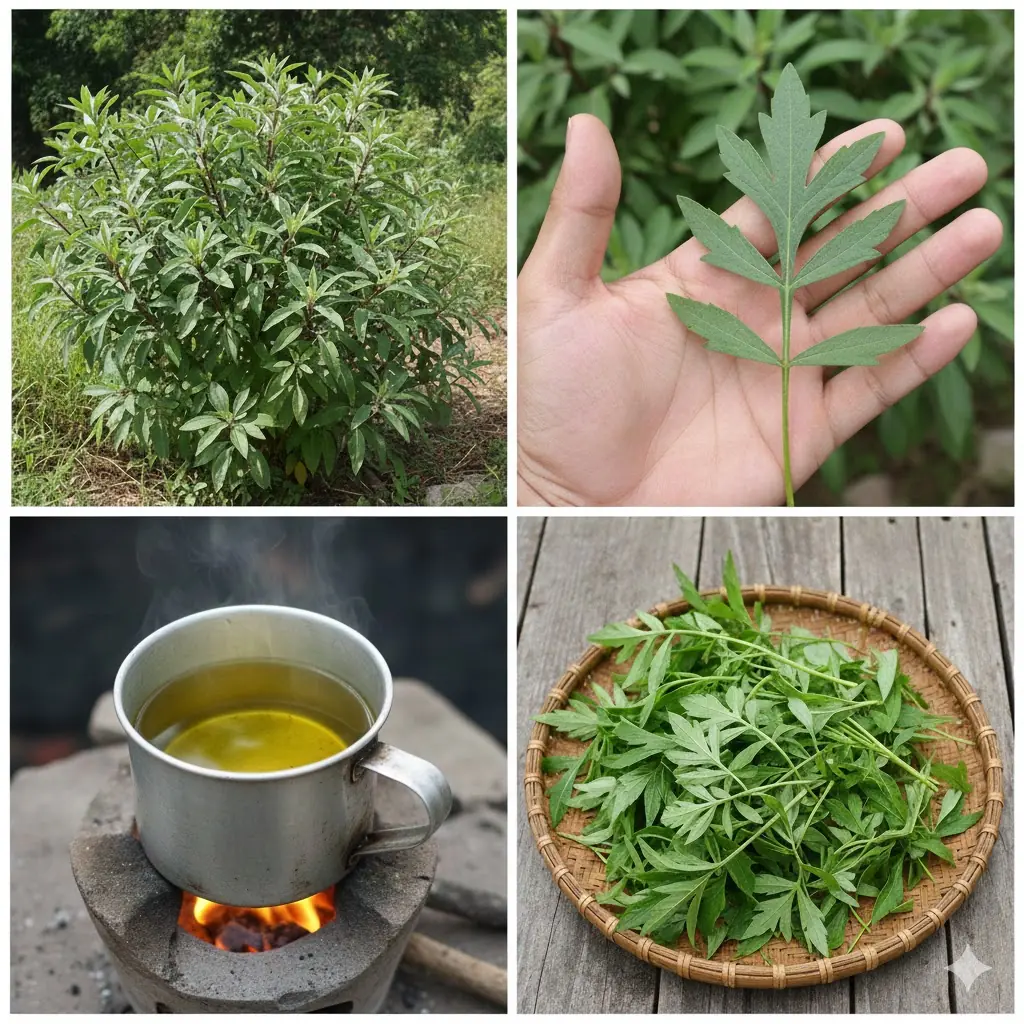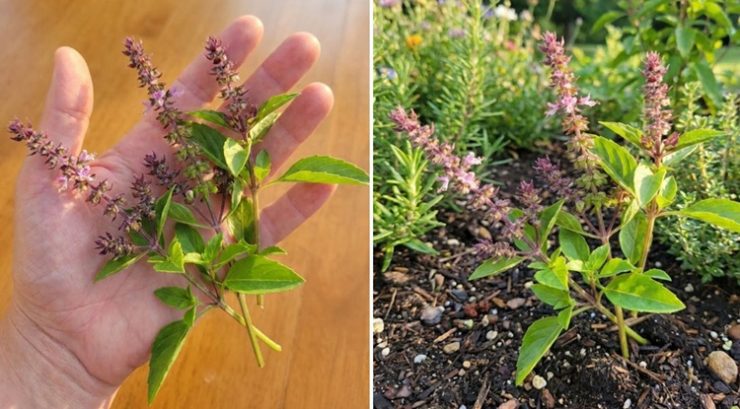
Holy Basil, commonly known as Tulsi, holds a revered place in Ayurvedic tradition and is often honored as the “Queen of Herbs.” While many people recognize Tulsi for its role in supporting immunity and helping the body adapt to stress, fewer realize that this sacred plant can also play a valuable role in maintaining oral health. Both traditional practices and modern research highlight Tulsi’s broad spectrum of protective properties for the mouth, teeth, and gums.
Tulsi has been associated with support for:
-
Cavity prevention
-
Gum inflammation and bleeding
-
Persistent bad breath (halitosis)
-
Tooth sensitivity
-
Oral bacterial imbalance
-
Enamel protection and strengthening
Below is a comprehensive guide to how Tulsi may help promote a healthier mouth and how to use it effectively.
1. Tulsi Helps Combat Cavity-Causing Bacteria
One of Tulsi’s most impressive qualities is its natural antibacterial, antifungal, and antimicrobial activity. The mouth is home to millions of bacteria—some beneficial, others harmful. When harmful bacteria multiply, they contribute to plaque formation, enamel erosion, and tooth decay.
Tulsi has been shown to act against organisms such as:
-
Streptococcus mutans — a primary contributor to tooth decay
-
Candida species — linked to oral thrush
-
Bacteria associated with gum disease
Active compounds like eugenol, ursolic acid, and linalool help create a protective antimicrobial environment in the mouth. By reducing harmful microbial growth, Tulsi may assist in lowering the risk of cavities, plaque buildup, and enamel weakening over time.
2. Supports Stronger, Healthier Gums
Healthy gums are the foundation of strong teeth. When gum tissue becomes inflamed or infected, it can lead to discomfort and long-term oral complications.
Tulsi has traditionally been used to support conditions such as:
-
Gingivitis
-
Bleeding gums
-
Swollen or tender gums
-
Early-stage gum recession
Its anti-inflammatory properties may help calm irritated tissue, while improved circulation to the gum area supports natural healing. Additionally, Tulsi’s antioxidant activity helps protect gum cells from oxidative stress, which plays a role in tissue degeneration. With regular care, this may help maintain firmness and resilience in gum tissue.
3. Naturally Freshens Breath
Bad breath often stems from bacterial overgrowth, gum issues, dry mouth, or even digestive imbalances. Because Tulsi targets odor-causing bacteria, it can contribute to fresher breath in a natural way.
Its essential oils provide a subtle, refreshing aroma similar to mint, but without synthetic additives. Unlike temporary breath fresheners that simply mask odor, Tulsi works at the microbial level to help maintain a cleaner oral environment for longer-lasting freshness.
4. Helps Protect and Strengthen Tooth Enamel
Tooth enamel is constantly challenged by acids from food, sugar, and bacteria. Once enamel erodes, it cannot regenerate naturally.
Tulsi contains antioxidants and naturally occurring plant compounds that may help:
-
Support enamel resilience
-
Reduce tooth sensitivity
-
Protect against acid-related damage
-
Lower the risk of progressive decay
By reducing bacterial acid production and supporting mineral balance in the mouth, Tulsi may contribute to stronger, more durable teeth when used consistently as part of good oral hygiene habits.
5. May Soothe Mouth Ulcers and Minor Oral Irritations
Tulsi’s soothing and antiseptic qualities make it helpful for minor mouth discomforts, including:
-
Mouth ulcers
-
Small cuts or wounds
-
Sore or irritated gums
-
Mild oral infections
Its calming properties may reduce discomfort while supporting the body’s natural healing process. Many traditional remedies incorporate Tulsi as a gentle herbal support for maintaining oral comfort.
How to Use Tulsi for Oral Care
There are several practical and effective ways to incorporate Tulsi into your daily oral routine.
1. Tulsi Mouthwash (Herbal Antibacterial Rinse)
Instructions:
-
Boil 10–15 fresh Tulsi leaves (or 1 tablespoon dried leaves) in 1 cup of water.
-
Allow it to cool completely.
-
Strain and use as a mouth rinse twice daily.
This herbal rinse may help reduce bacterial buildup, soothe gums, and freshen breath naturally.
2. Tulsi Tooth Powder
-
Dry Tulsi leaves thoroughly and grind them into a fine powder.
-
Use the powder alone to brush gently, or mix with:
-
A small amount of coconut oil
-
A pinch of natural salt
-
This traditional method may help reduce bacteria, polish teeth gently, and support gum strength. Use lightly to avoid excessive abrasion.
3. Chewing Fresh Tulsi Leaves
Chewing 2–3 fresh leaves occasionally may help:
-
Reduce harmful bacteria
-
Support gum circulation
-
Naturally freshen breath
However, moderation is important (see note below).
4. Tulsi and Clove Herbal Paste
For targeted gum support:
-
Mix Tulsi powder with a small amount of clove powder.
-
Add a little coconut oil to form a paste.
-
Apply gently to affected gum areas.
Clove contains eugenol, which complements Tulsi’s soothing and antimicrobial effects, making this combination traditionally popular for temporary gum discomfort.
Important Considerations
Although Tulsi is natural, it is also potent. Chewing fresh leaves daily for extended periods may not be ideal for individuals with highly sensitive enamel. If you notice any discomfort, switch to a diluted mouthwash or powdered form and use gently.
Tulsi should complement—not replace—regular brushing, flossing, and professional dental care. Maintaining balanced oral hygiene habits is essential for long-term results.
Final Thoughts
Tulsi remains one of nature’s most versatile and respected herbs. Beyond its well-known immune and stress-supporting qualities, it also offers impressive benefits for oral hygiene. When used properly, this traditional plant can help support a cleaner mouth, fresher breath, healthier gums, and stronger teeth.
If you’re searching for a natural addition to your dental care routine, Tulsi may be a simple yet powerful ally rooted in centuries of wisdom and increasingly supported by modern interest in plant-based wellness.