10 Best Collagen Gels For Wrinkle Free Glowing Skin
Beatuty Tips 15/12/2025 23:34
Senna alata, commonly known as candle bush or ringworm shrub, is a remarkable medicinal plant widely used in traditional healing systems across tropical and subtropical regions. With its tall, candle-like yellow flower spikes and broad green leaves, this plant is both visually striking and therapeutically powerful.
For generations, Senna alata has been valued for treating skin infections, digestive issues, inflammation, and minor wounds. Modern research now supports many of these traditional uses, highlighting its antifungal, antibacterial, and laxative properties. In this article, we explore the key health benefits of Senna alata, its most common applications, and safe, practical ways to use it at home.
Health Benefits of Senna alata
One of the most well-documented benefits of Senna alata is its strong antifungal activity. The plant contains chrysophanic acid, a natural compound known to inhibit fungal growth.
This makes Senna alata particularly effective against:
Ringworm
Athlete’s foot
Other dermatophyte-related skin infections
Because of this, it has long been used as a first-line herbal remedy for fungal skin conditions in traditional medicine.
Senna alata contains anthraquinones, compounds that stimulate intestinal movement and encourage bowel evacuation. When used carefully and in moderation, it can provide short-term relief from constipation and support digestive regularity.
However, due to its strength, it should only be used occasionally and not as a daily laxative.
Beyond its antifungal effects, Senna alata also exhibits antibacterial activity. Leaf extracts may help reduce harmful bacteria on the skin, lowering the risk of secondary infections and supporting faster healing of minor wounds.
The plant contains bioactive compounds that help calm inflammation. This makes it beneficial for:
Redness and swelling
Insect bites
Mild skin irritation
Its soothing effect helps reduce discomfort while supporting natural tissue repair.
Rich in natural antioxidants, Senna alata helps neutralize free radicals that contribute to cellular damage. This antioxidant activity supports overall wellness and strengthens the body’s natural defense mechanisms.
When applied topically, Senna alata may promote faster healing of small cuts, scratches, and abrasions. Its combined antimicrobial and soothing properties help protect damaged skin and support regeneration.
The leaves possess emollient qualities, helping moisturize and soften the skin. This makes them useful in homemade herbal washes and ointments for dry, itchy, or irritated skin conditions.
The most widespread use of Senna alata is for fungal and inflammatory skin disorders. Leaf pastes and washes are commonly applied to treat ringworm, eczema-like irritation, and fungal rashes.
In controlled doses, decoctions made from the leaves are used as a natural laxative to relieve constipation and cleanse the digestive tract.
Thanks to its anti-inflammatory and soothing properties, Senna alata helps reduce itching, swelling, and redness caused by insect bites.
A leaf infusion can be used as a gentle antiseptic rinse for minor wounds, cuts, or infected skin areas.
Ingredients:
Fresh Senna alata leaves
Clean water
Method:
Crush a handful of fresh leaves with a few drops of water until a thick paste forms. Apply directly to the affected area and leave on for 30 minutes before rinsing with lukewarm water. Use twice daily until improvement is seen.
Ingredients:
Fresh or dried Senna alata leaves
Water
Method:
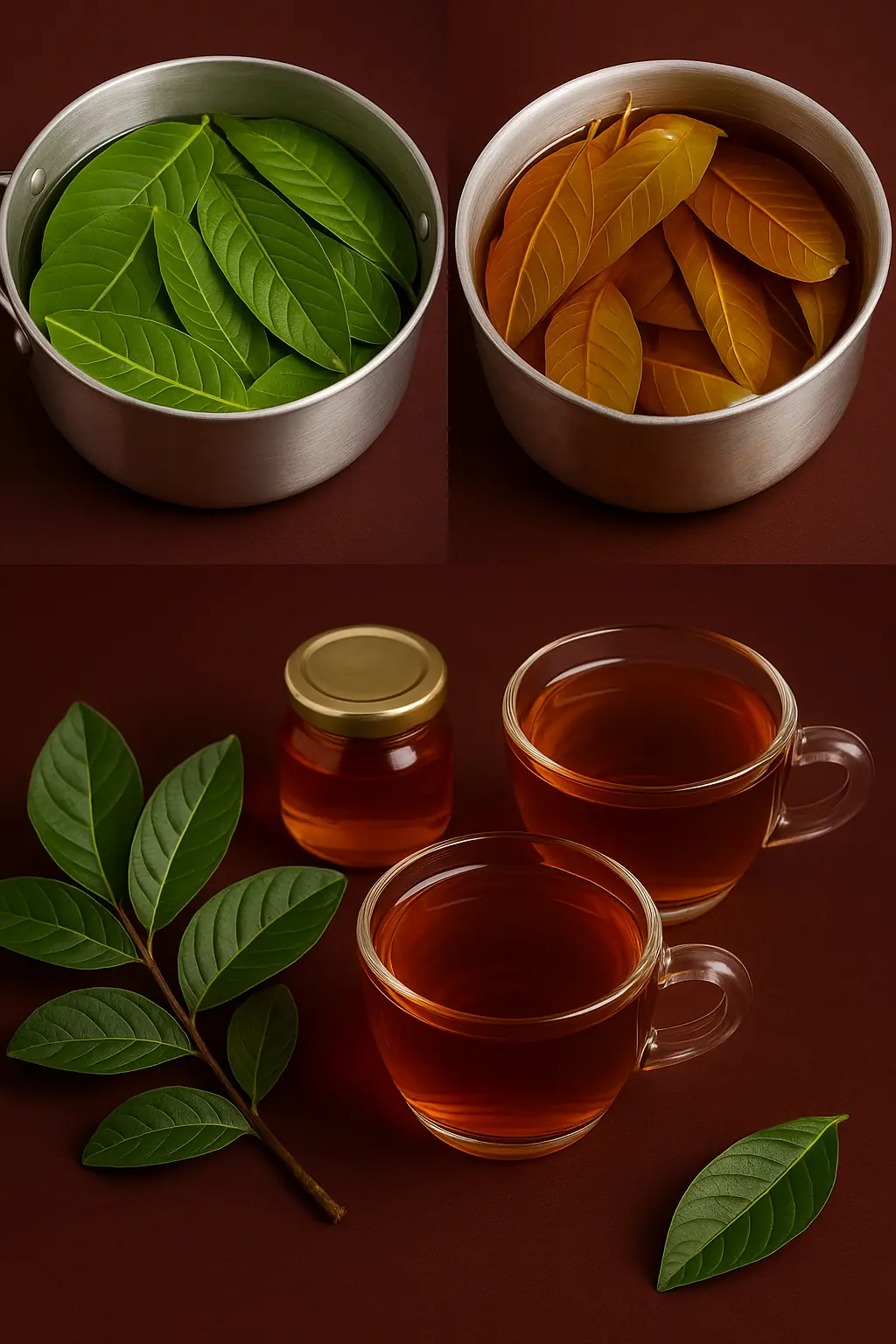
Boil one cup of water and add a handful of leaves. Simmer for 10–15 minutes, strain, and allow to cool. Use the liquid to gently wash affected skin areas twice daily.
Ingredients:
1–2 teaspoons dried Senna alata leaves
250 ml water
Method:
Boil the leaves for 10 minutes, strain, and allow to cool. Drink once when needed. Avoid frequent use to prevent cramps or dependency.
Ingredients:
Fresh Senna alata leaves
Coconut oil or olive oil
Method:
Gently simmer crushed leaves in oil on low heat for 30 minutes. Strain and store in a clean container. Apply a small amount to bites or irritated skin as needed.
Although Senna alata offers many benefits, it must be used responsibly. Excessive internal use can cause abdominal cramps, diarrhea, or electrolyte imbalance. Pregnant women, breastfeeding mothers, and individuals with chronic medical conditions should consult a healthcare professional before use.
Always perform a patch test before applying Senna alata to the skin to rule out allergic reactions.
Senna alata is a powerful and versatile medicinal plant with a long history of traditional use. From treating fungal infections and soothing inflamed skin to relieving occasional constipation, it remains a valuable natural remedy when used correctly. By following safe preparation methods and proper precautions, this plant can be a meaningful addition to a holistic health routine.