Gold holds steady, eyes fourth weekly gain on US-Iran peace deal hopes
News 17/04/2026 16:58
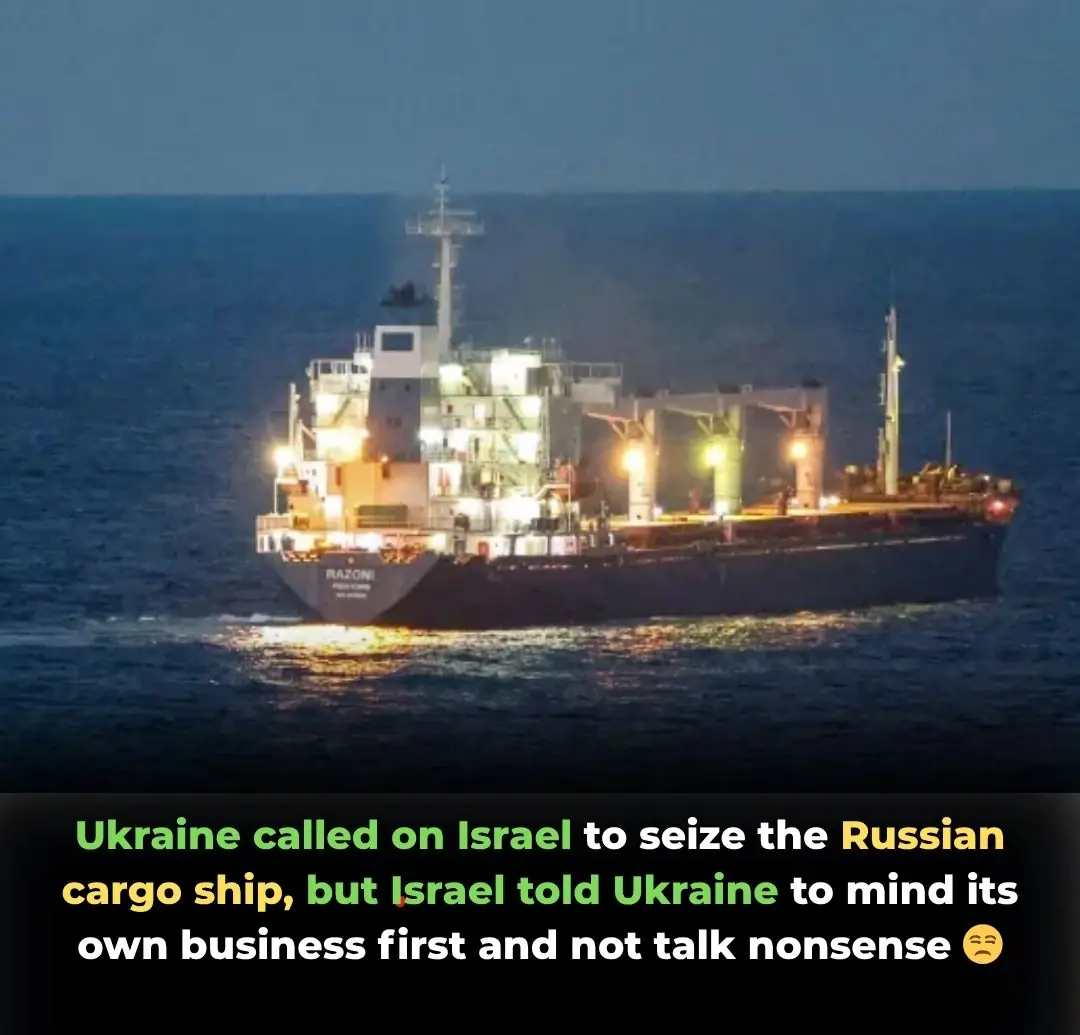
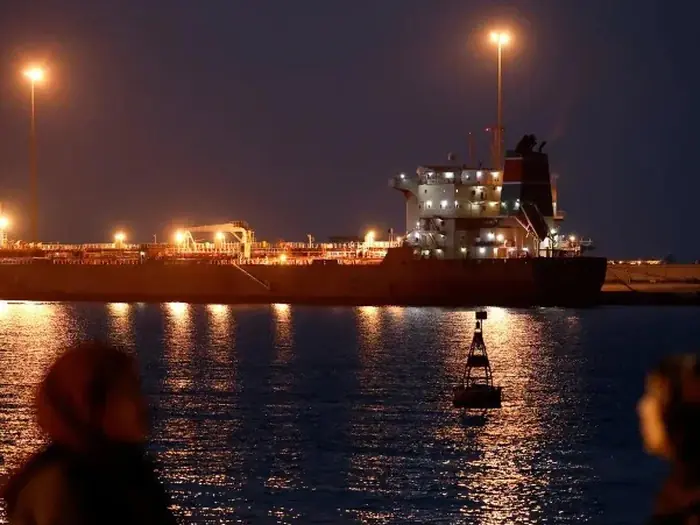
Ukraine has reportedly called on Israel to take stronger and more direct action against Russian cargo vessels, urging intervention as geopolitical tensions continue to escalate. The appeal reflects Kyiv’s ongoing strategy of encouraging international partners to increase pressure on Russia through economic, logistical, and maritime restrictions. By targeting cargo ships, Ukraine aims to disrupt supply chains that may support Russia’s economy and military capabilities.
This request comes at a time when Ukraine has been actively seeking broader global cooperation, not only from Western allies but also from countries that have maintained a more neutral stance throughout the conflict. Kyiv’s position is that collective action is essential to limit Russia’s operational reach, especially in areas like shipping and trade, which remain critical lifelines.
However, Israel’s response appears firm and somewhat dismissive of the request. Officials have indicated that Ukraine should focus on managing its own situation before making demands of other nations. The tone of the response suggests a reluctance to be drawn into actions that could escalate tensions or compromise Israel’s carefully maintained diplomatic balance.
Israel has consistently walked a fine line in international conflicts, particularly in situations involving major global powers. Its approach often prioritizes strategic neutrality and cautious diplomacy, aiming to preserve national security interests while avoiding unnecessary entanglement. In this context, taking direct action against Russian vessels could carry significant political and economic risks, something Israeli leadership appears unwilling to accept.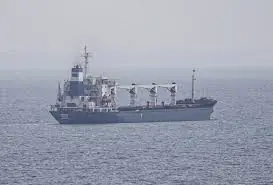
The exchange between the two nations highlights a broader challenge facing Ukraine: while it continues to seek stronger support from the international community, not all countries are aligned in their willingness to take assertive measures. Some nations prefer limited involvement, focusing on humanitarian aid or diplomatic channels rather than direct intervention.
At the same time, Ukraine’s call can be seen as part of a wider effort to keep global attention focused on the conflict and to push for sustained pressure on Russia. By raising such proposals publicly, Kyiv may also be testing the boundaries of international response and signaling urgency to its allies.
The situation also reflects growing frustration on multiple sides. Ukraine, facing prolonged conflict, is intensifying its appeals for action, while countries like Israel are signaling limits to their involvement. This divergence underscores the complexity of global alliances, where strategic interests, regional security concerns, and diplomatic calculations all play a role in shaping responses.
Ultimately, the interaction raises important questions about the extent of international cooperation in times of conflict. How far are nations willing to go in supporting allies? And where do they draw the line between solidarity and self-preservation? As the situation continues to evolve, such exchanges may become more frequent, revealing the underlying tensions and differing priorities within the global community.