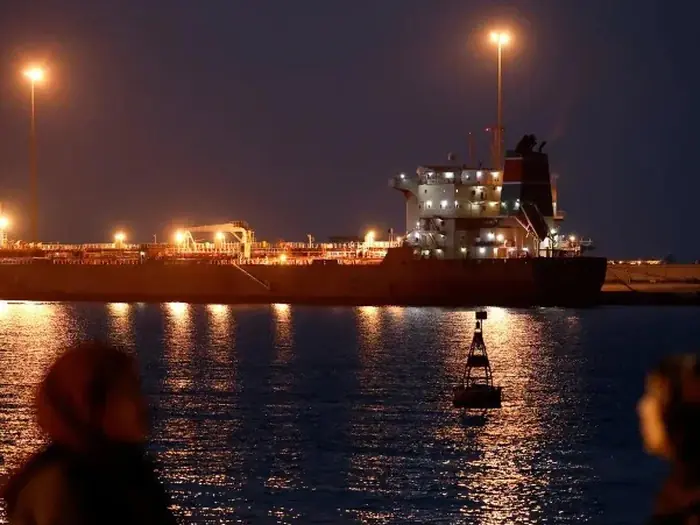
The US imposes further sanctions on Iranian oil
News 16/04/2026 11:22
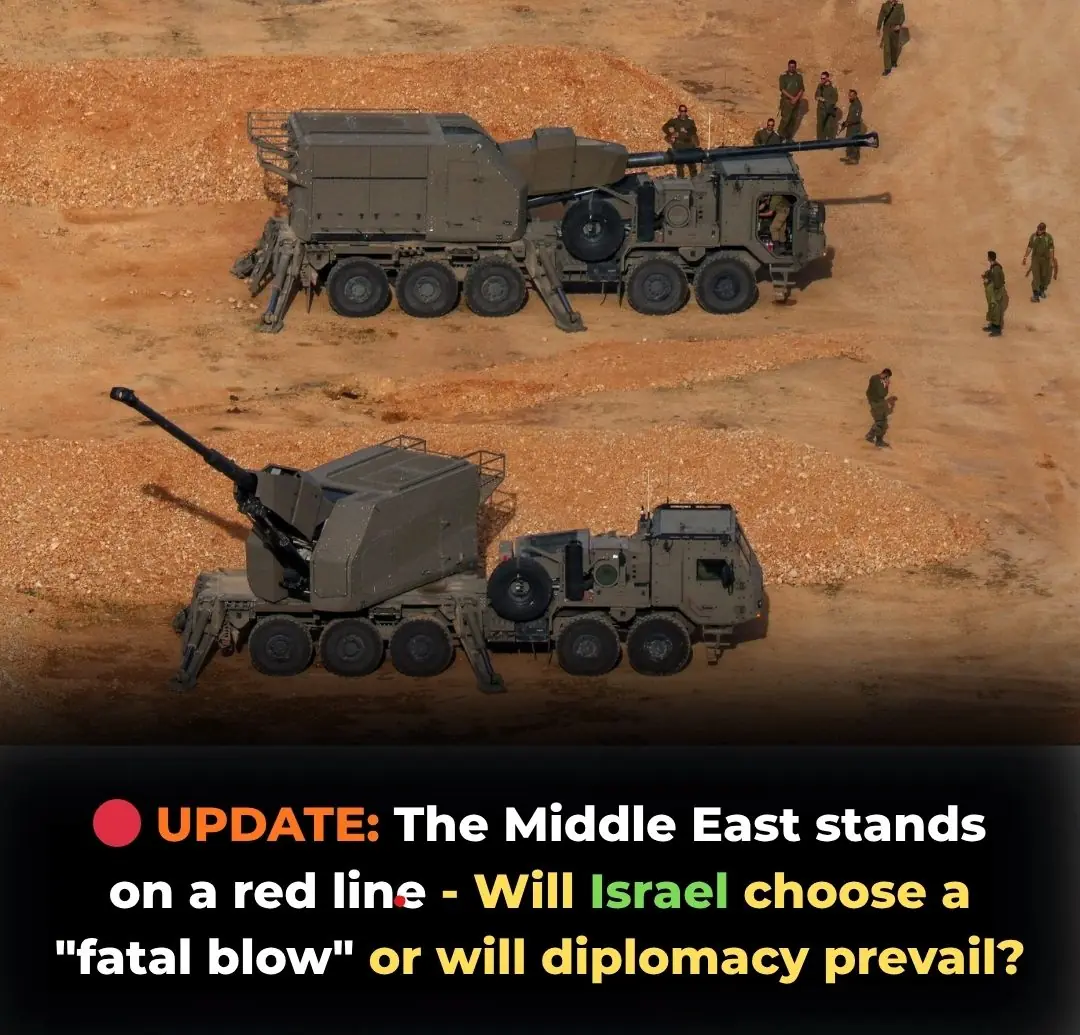
The geopolitical landscape of the Middle East is currently vibrating with a tension not seen in decades. Following the direct drone and missile barrage launched by the Islamic Republic of Iran against Israel on the night of April 13-14, the world’s attention is now fixed on Tel Aviv. As of April 16, 2024, the international community is locked in a diplomatic race against time to prevent a localized conflict from spiraling into a full-scale regional war.
Following the meeting of Israel's War Cabinet, the message remains clear yet dangerously ambiguous: a response is coming, but the timing and nature remain classified. Prime Minister Benjamin Netanyahu faces a historic crossroads. On one hand, military hardliners argue that failing to retaliate against a direct strike from Iranian soil would shatter Israel’s deterrence posture. On the other hand, the successful interception of 99% of the 300+ projectiles—thanks to the "Iron Shield" operation involving the US, UK, France, and Jordan—has provided Israel with a "strategic victory" that many allies believe should not be squandered.
IDF Chief of Staff Herzi Halevi, speaking from the Nevatim Airbase—which suffered minor damage during the attack—affirmed that the launch of so many missiles into Israeli territory "will be met with a response." However, the complexity lies in hitting Iran hard enough to deter future aggression without triggering a cycle of escalation that could involve the entire Lebanese border and beyond.
Tehran has signaled that its operation, dubbed "True Promise," is over—provided Israel does not retaliate. Iranian officials have declared a "new equation": any Israeli strike against Iranian interests, officials, or citizens anywhere will henceforth be met with a direct attack from Iran itself.
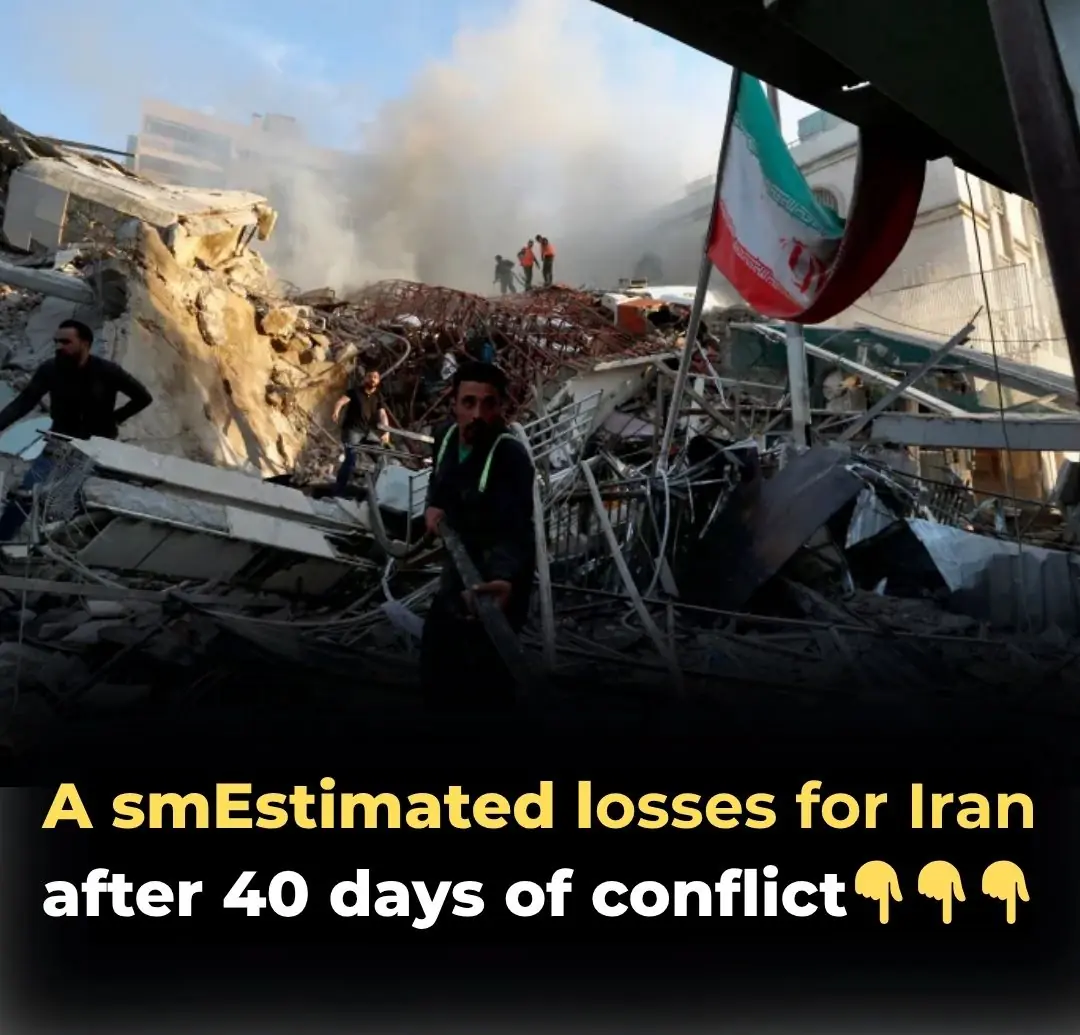
This marks a seismic shift from decades of "shadow war" conducted through proxies like Hezbollah in Lebanon and the Houthis in Yemen. By striking directly from Iranian territory, Tehran has tested the air defense capabilities of the Western alliance and signaled its willingness to risk direct confrontation to avenge the April 1st strike on its consulate in Damascus.
The United States, while reiterating its "ironclad" support for Israel’s security, has been uncharacteristically blunt about its desire for restraint. President Joe Biden has reportedly told Netanyahu that the US will not participate in any offensive operations against Iran.
Instead, the White House is pivoting toward a diplomatic and economic offensive. This includes:
G7 Sanctions: Coordination with allies to impose new sanctions targeting Iran’s missile and drone programs.
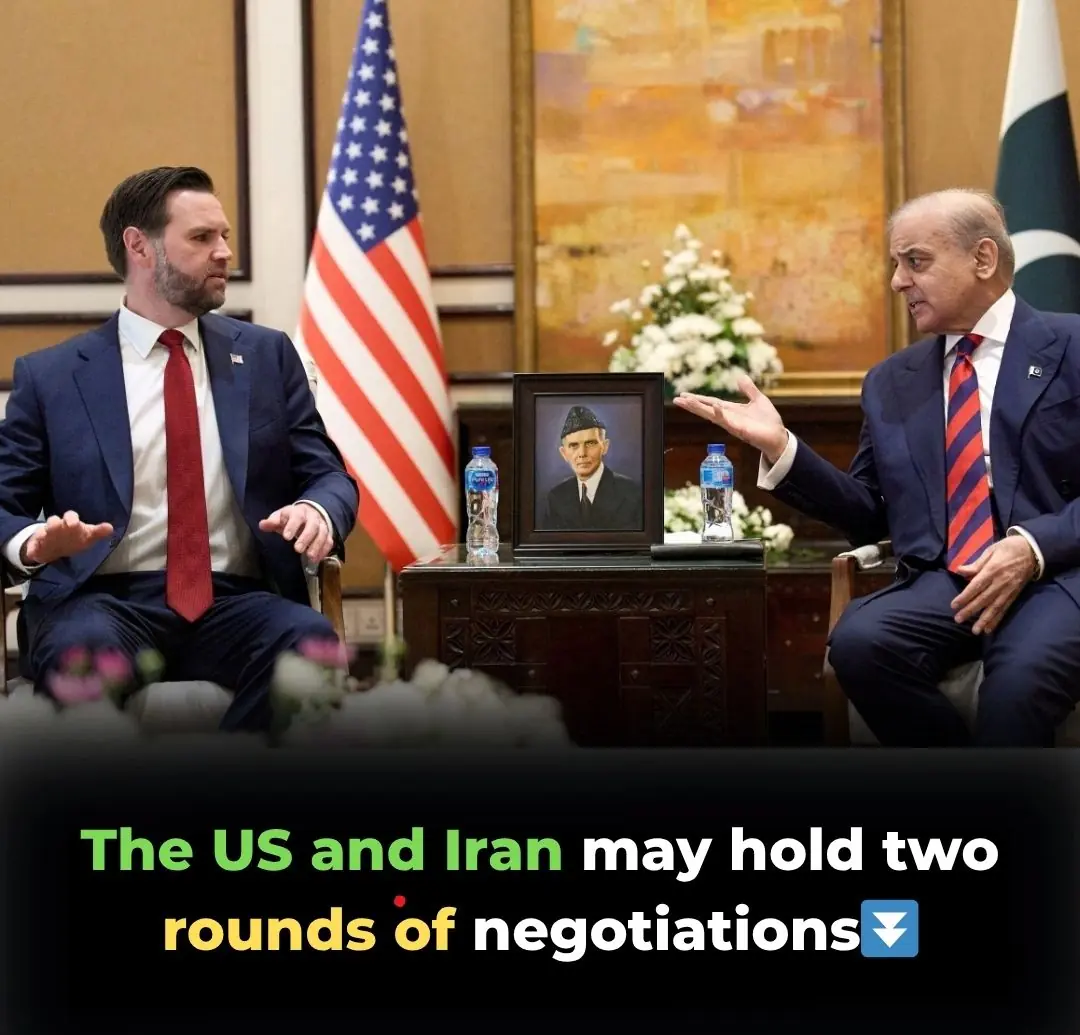
Diplomatic Isolation: Working within the UN Security Council to condemn Tehran’s actions.
Regional Coalition: Strengthening the ad-hoc military alliance that successfully defended Israel, which notably included Arab partners like Jordan.
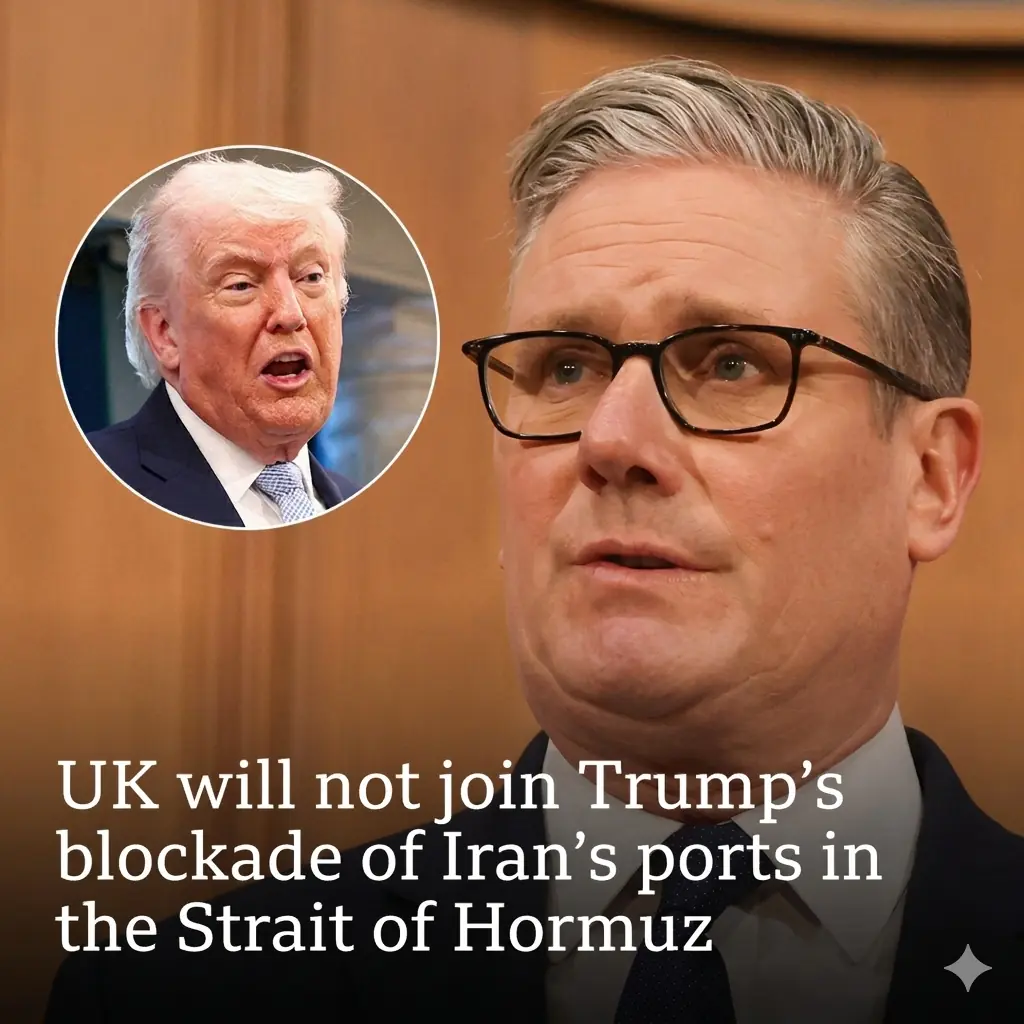
European leaders, including UK Prime Minister Rishi Sunak and French President Emmanuel Macron, have echoed this sentiment, urging Israel to "take the win" of the successful defense and focus on de-escalation.
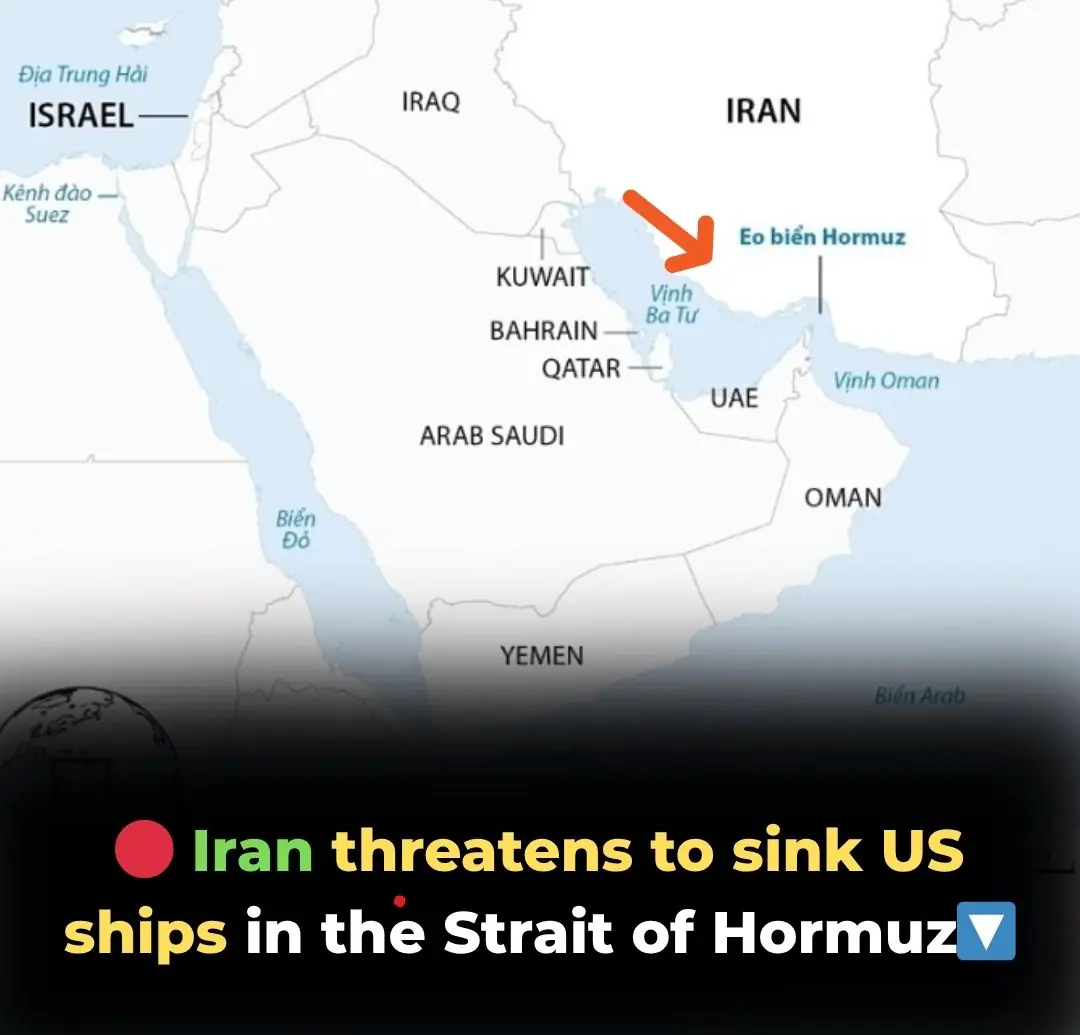
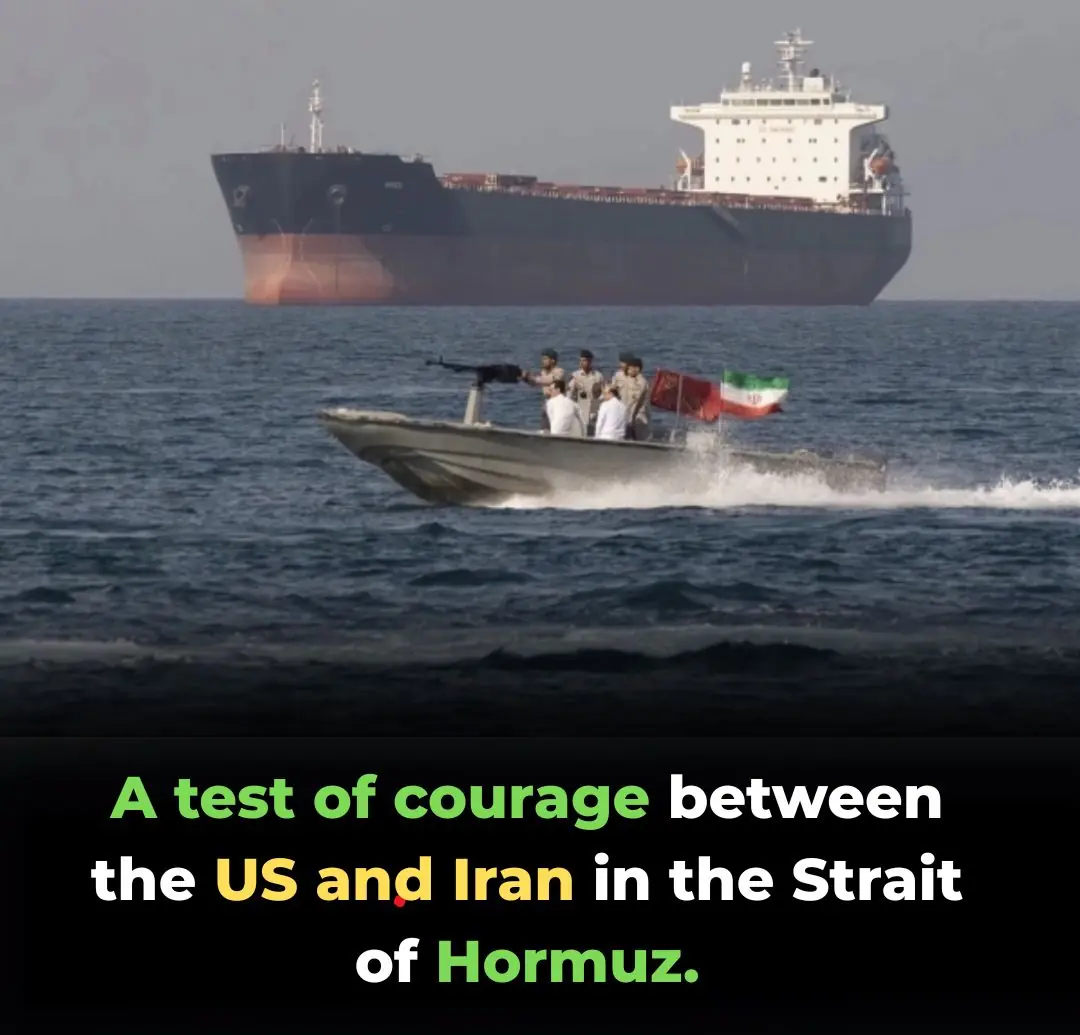
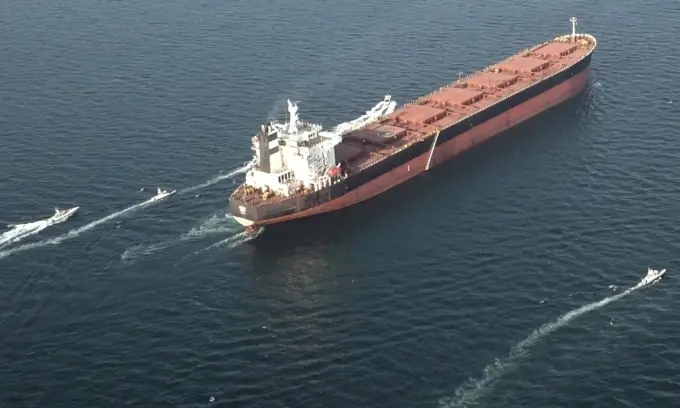
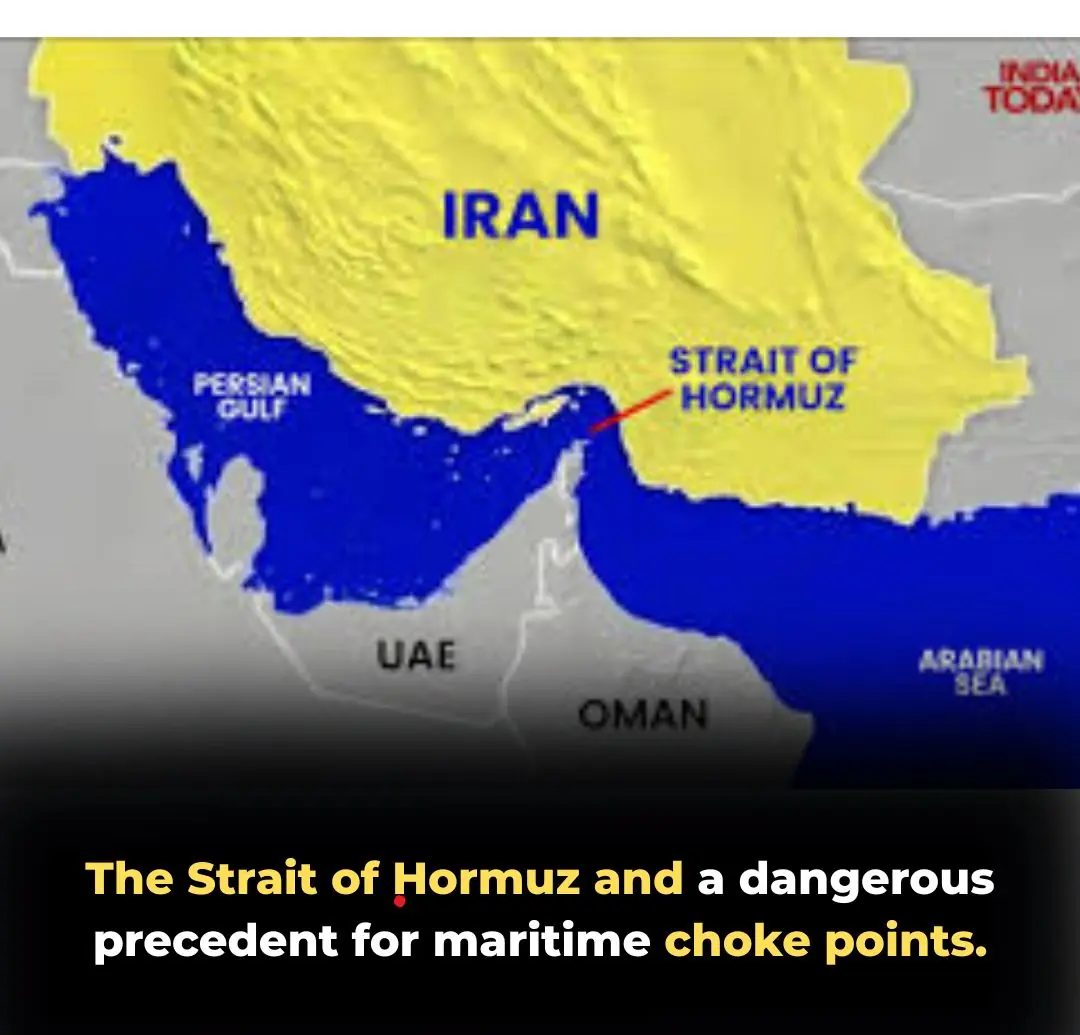
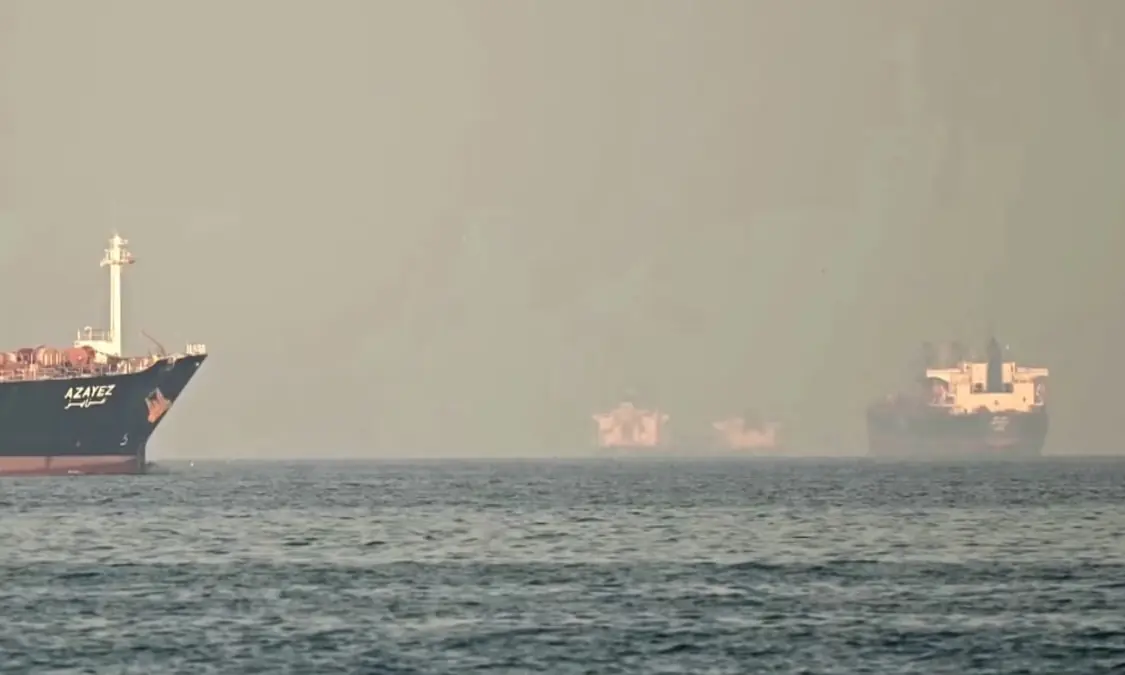
The "will they, won't they" atmosphere in the Middle East is sending ripples through global markets. Oil prices remain volatile, with analysts warning that any escalation involving the Strait of Hormuz—a vital artery for global energy supplies—could send Brent crude soaring past $100 a barrel.
Gold, often viewed as a "safe haven" asset during times of geopolitical strife, continues to trade near record highs as investors brace for potential instability. The economic stakes are particularly high for the global economy, which is still recovering from inflationary pressures.
Amidst the high-altitude drama of ballistic missiles, the situation in Gaza remains the underlying engine of regional tension. Hamas has reportedly rejected the latest ceasefire proposal, further complicating the diplomatic efforts of Qatar and Egypt. There is growing concern that the Iran-Israel flare-up has diverted international attention away from the humanitarian crisis in Gaza and the urgent need for a hostage release deal.
As we move past April 16, three primary paths emerge for the coming days:
Scenario A: The "Surgical" Strike. Israel carries out a limited, covert, or cyber-attack on Iranian military infrastructure (likely a drone factory or a base involved in the April 13 attack) to save face without forcing Iran into a massive counter-retaliation.
Scenario B: Diplomatic Pivot. Israel agrees to forego a military strike in exchange for a "diplomatic prize," such as designated terrorist status for the IRGC (Islamic Revolutionary Guard Corps) by the EU or a formal defense pact with the US.
Scenario C: Escalatory Spiral. An Israeli strike leads to a heavy Iranian response, potentially activating Hezbollah’s massive rocket arsenal in Lebanon, leading to a multi-front war that forces US intervention.
The events of mid-April 2024 have changed the Middle East forever. The "Shadow War" is out in the open. While the immediate threat of a regional firestorm has been dampened by intense diplomacy, the underlying animosities remain unresolved. For Israel, the challenge is to balance the need for security with the necessity of maintaining its international alliances. For the world, the hope is that cooler heads will prevail in a region where miscalculation has historically led to catastrophe.