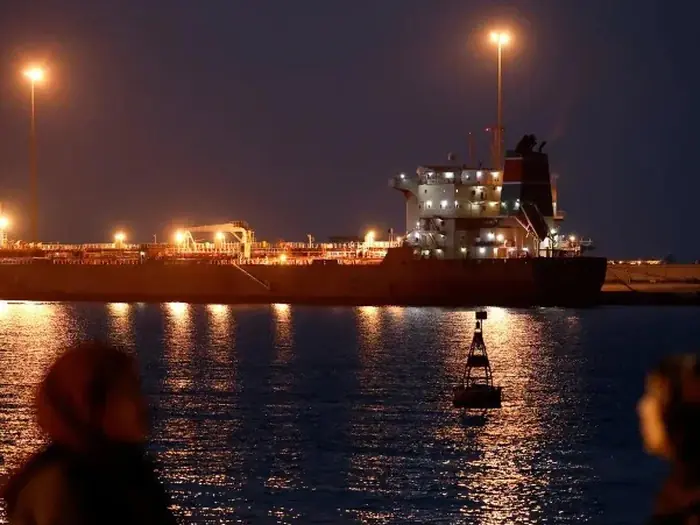
The US imposes further sanctions on Iranian oil
News 16/04/2026 11:22
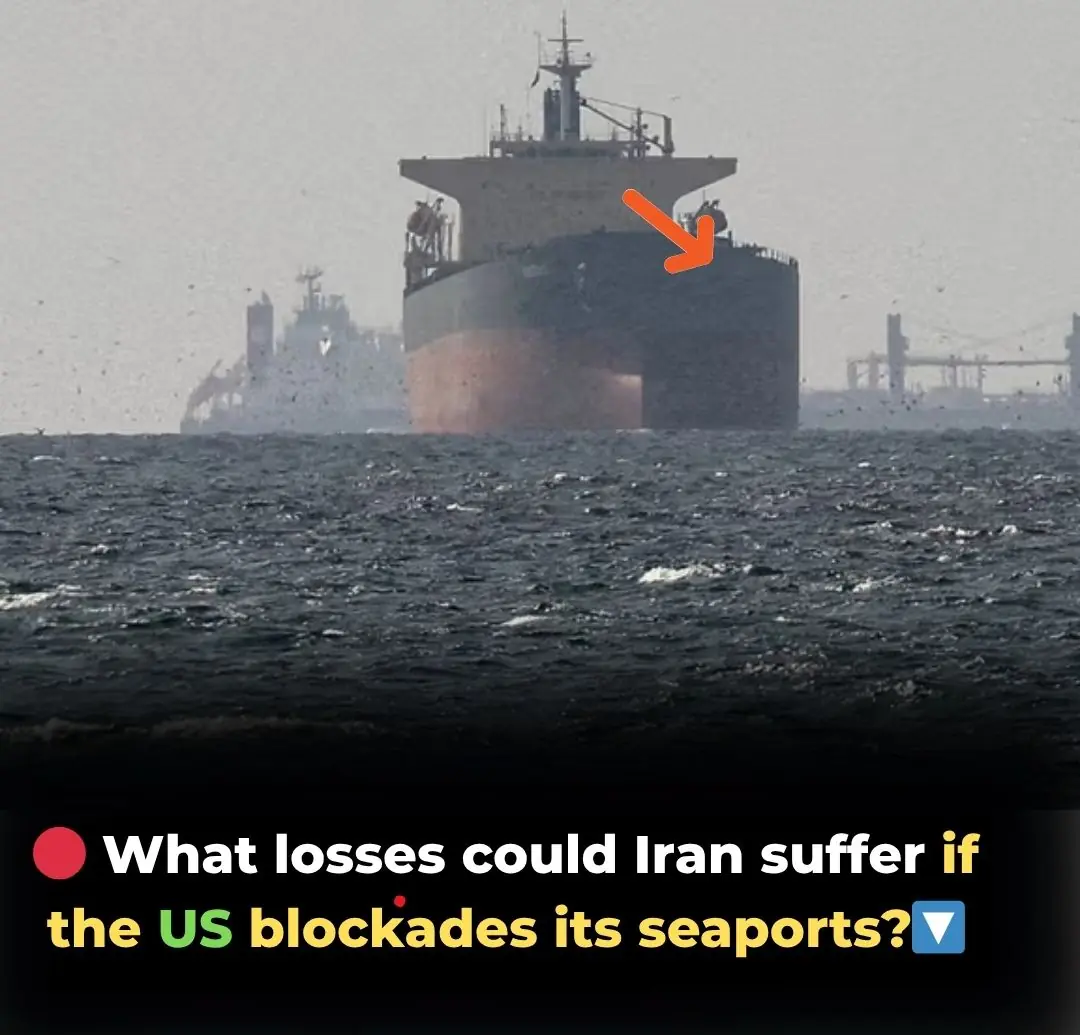
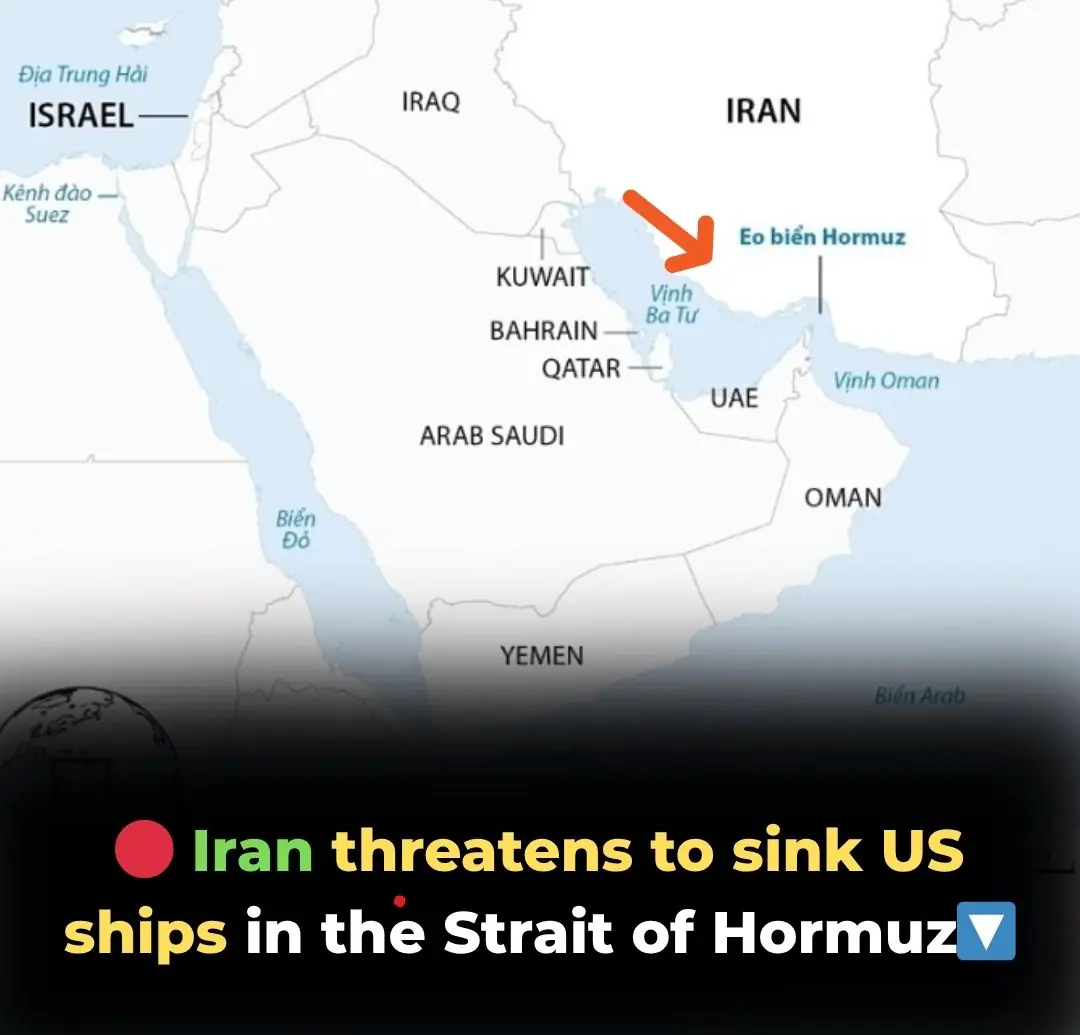
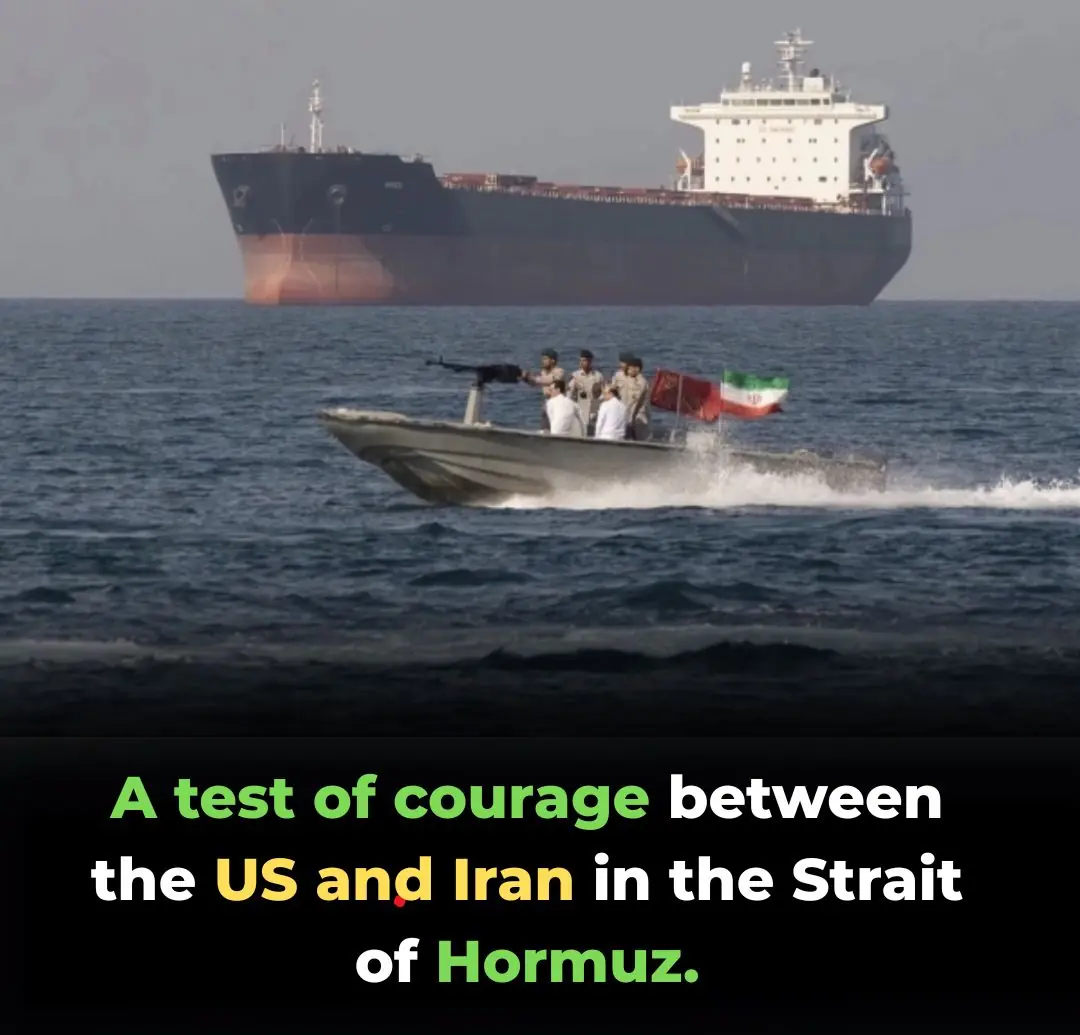
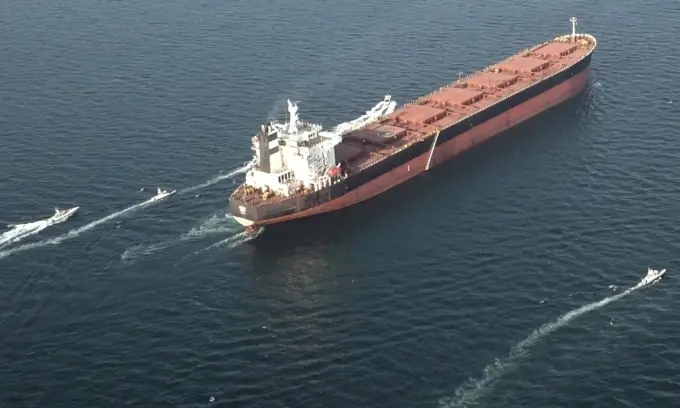
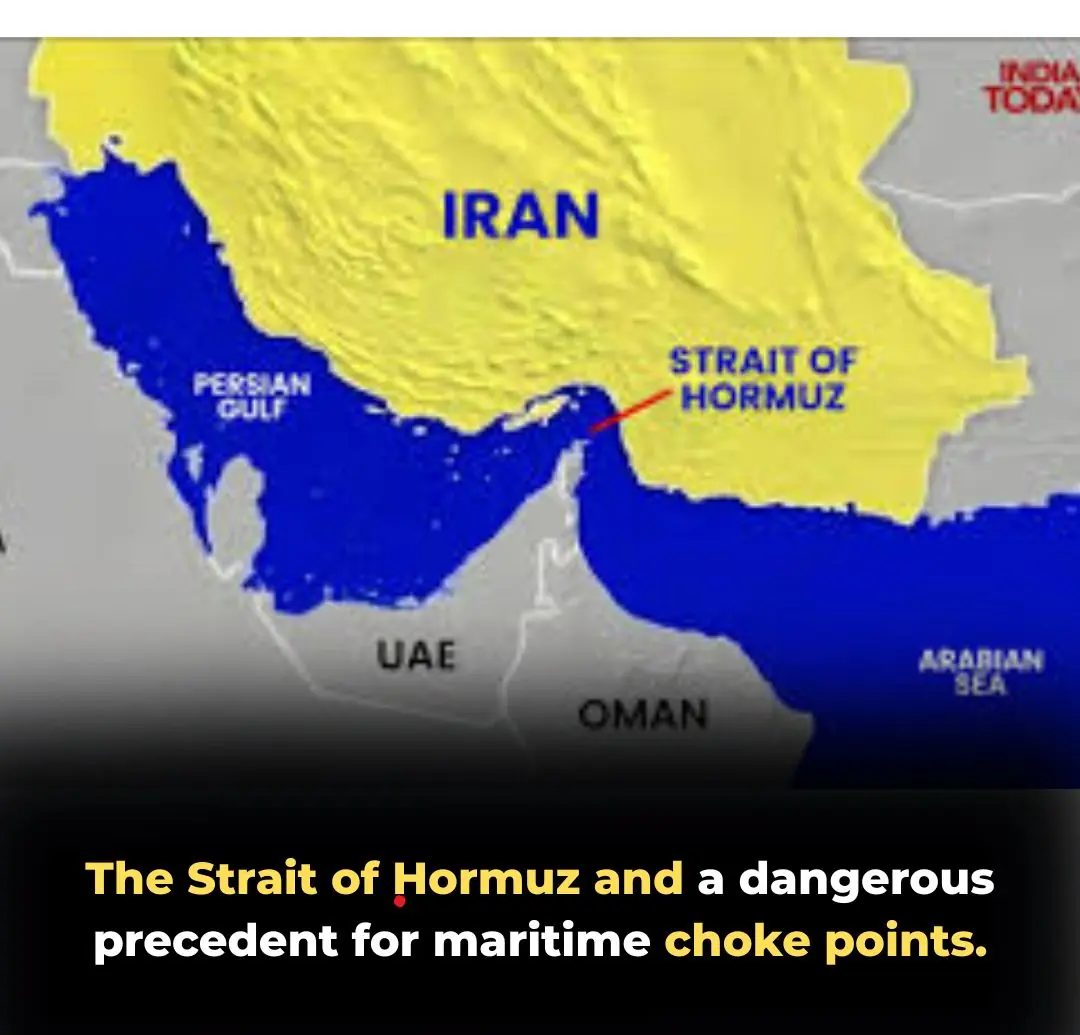
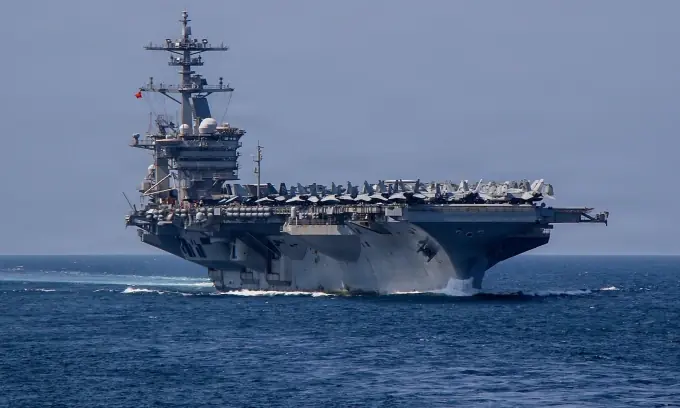
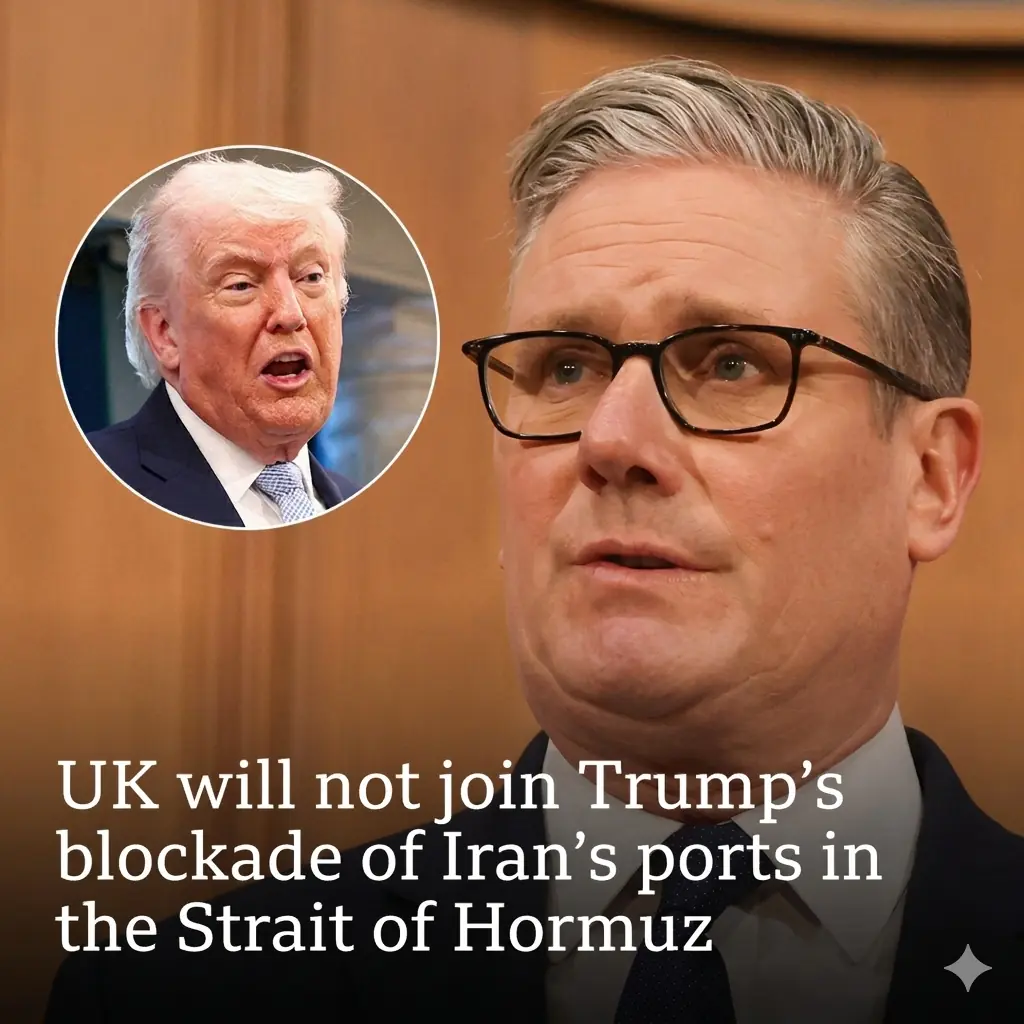
As geopolitical tensions escalate to unprecedented levels, the United States has moved beyond traditional sanctions toward a more direct strategy: a naval blockade of Iran’s primary maritime gateways. While Tehran maintains a defiant stance, economic analysts warn that a sustained "maritime siege" could push the country’s fragile economy toward a total standstill.
Iran’s economy is fundamentally maritime-dependent. The port of Bandar Abbas, which handles approximately 80% of the country’s container traffic, is the crown jewel of its trade infrastructure.
A successful blockade by the US Navy would not just stop military shipments; it would effectively sever the jugular vein of Iranian commerce. Without access to this port, the flow of essential goods—from industrial machinery to medicine—would cease, leading to immediate domestic shortages and hyperinflation.
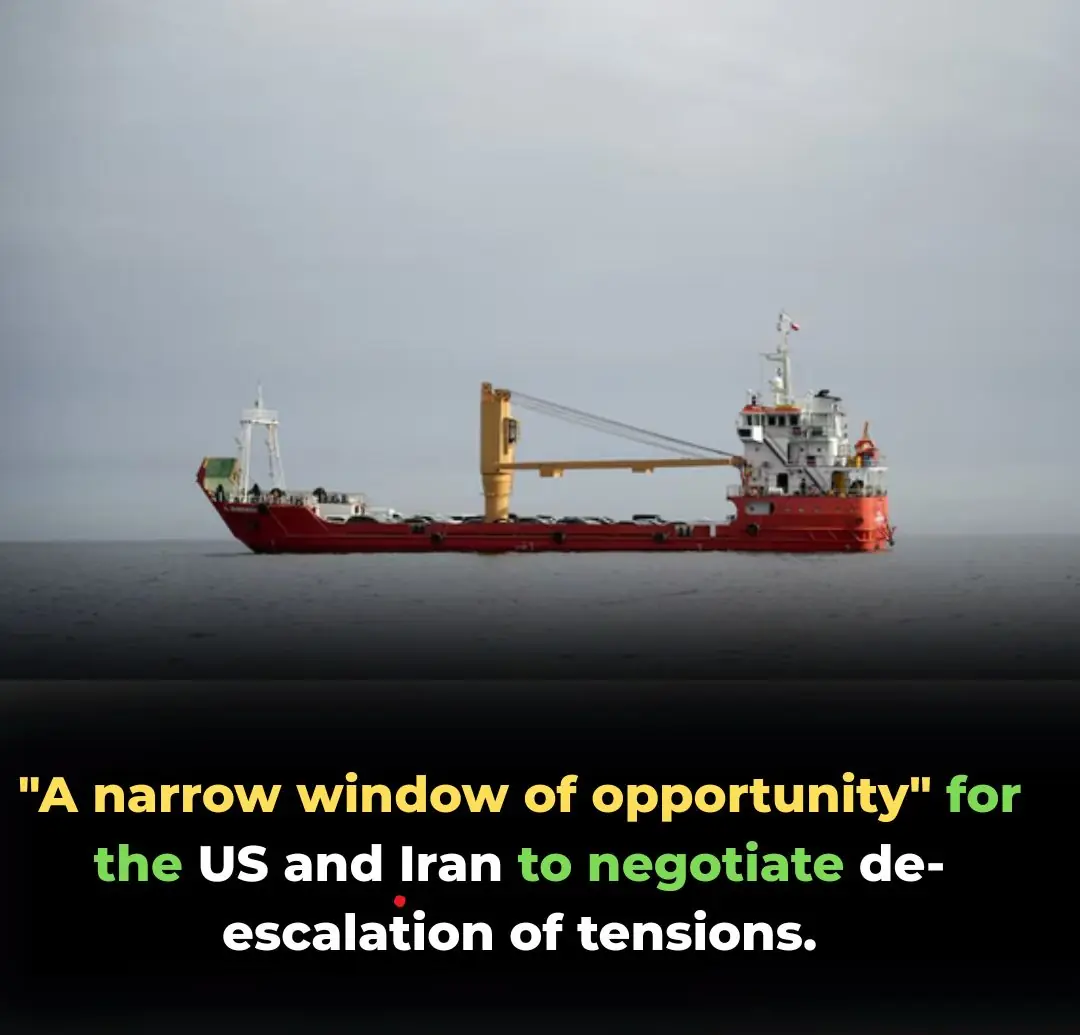
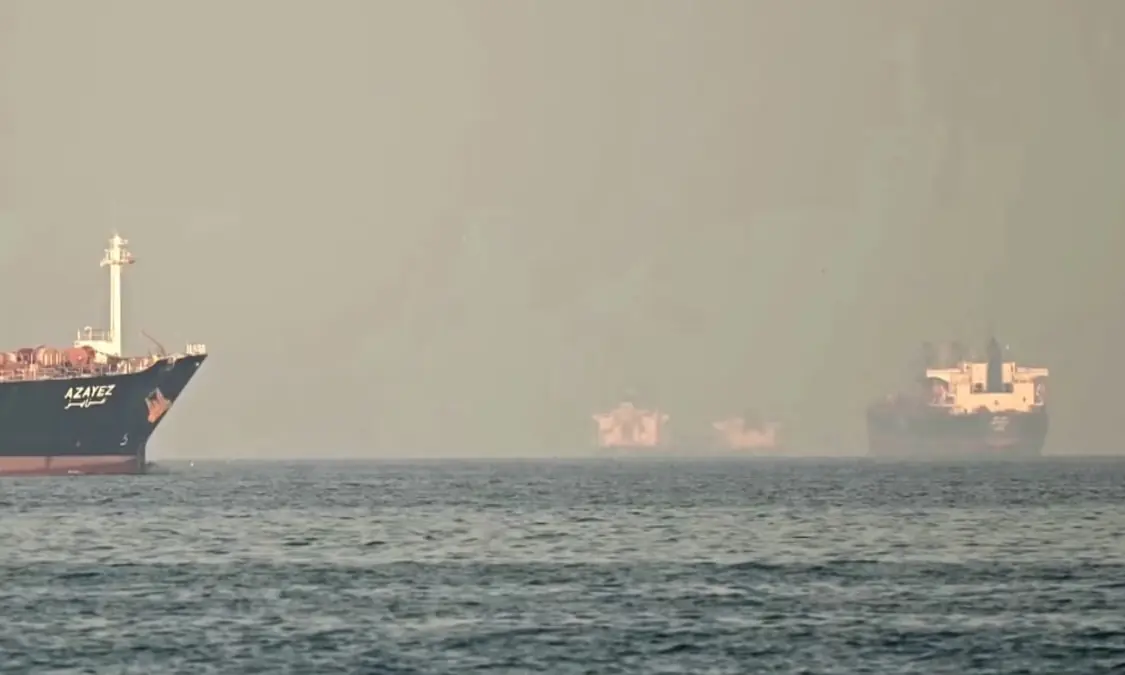
Despite years of "maximum pressure" sanctions, Iran has relied on "ghost fleets" and Ship-to-Ship (STS) transfers to export its crude oil. A physical blockade renders these clandestine methods nearly impossible.
Projected Loss: Experts estimate that a total blockade could strip Iran of $25 billion to $35 billion in annual oil revenue.
Budget Deficit: With oil accounting for a massive portion of the state budget, the government would struggle to pay civil servant salaries and fund its internal security apparatus.
Iran is not self-sufficient in several critical food categories. The country imports millions of tons of soybeans, corn, and vegetable oils annually.
The Price of Isolation: Cutting off sea routes would force Iran to rely on overland trade through Turkey or Iraq—routes that are significantly more expensive and lower in capacity.
Inflationary Pressure: The cost of basic staples could double within weeks, potentially sparking widespread social unrest similar to the protests seen in previous years.
Iran has spent the last decade trying to diversify its economy through petrochemicals, steel, and mining. However, these industries require heavy maritime shipping for export.
"A blockade isn't just about stopping what comes in; it's about trapping what's inside," says a Middle East trade analyst. "Iran’s warehouses would overflow with products that have no buyers, leading to massive layoffs in the industrial heartlands."
Tehran may look to its allies, Russia and China, for support. However, the infrastructure for land-based trade through Central Asia is currently insufficient to replace the sheer volume of maritime shipping. While the "International North-South Transport Corridor" (INSTC) is a priority, it cannot yet handle the millions of tons of cargo that pass through the Persian Gulf.
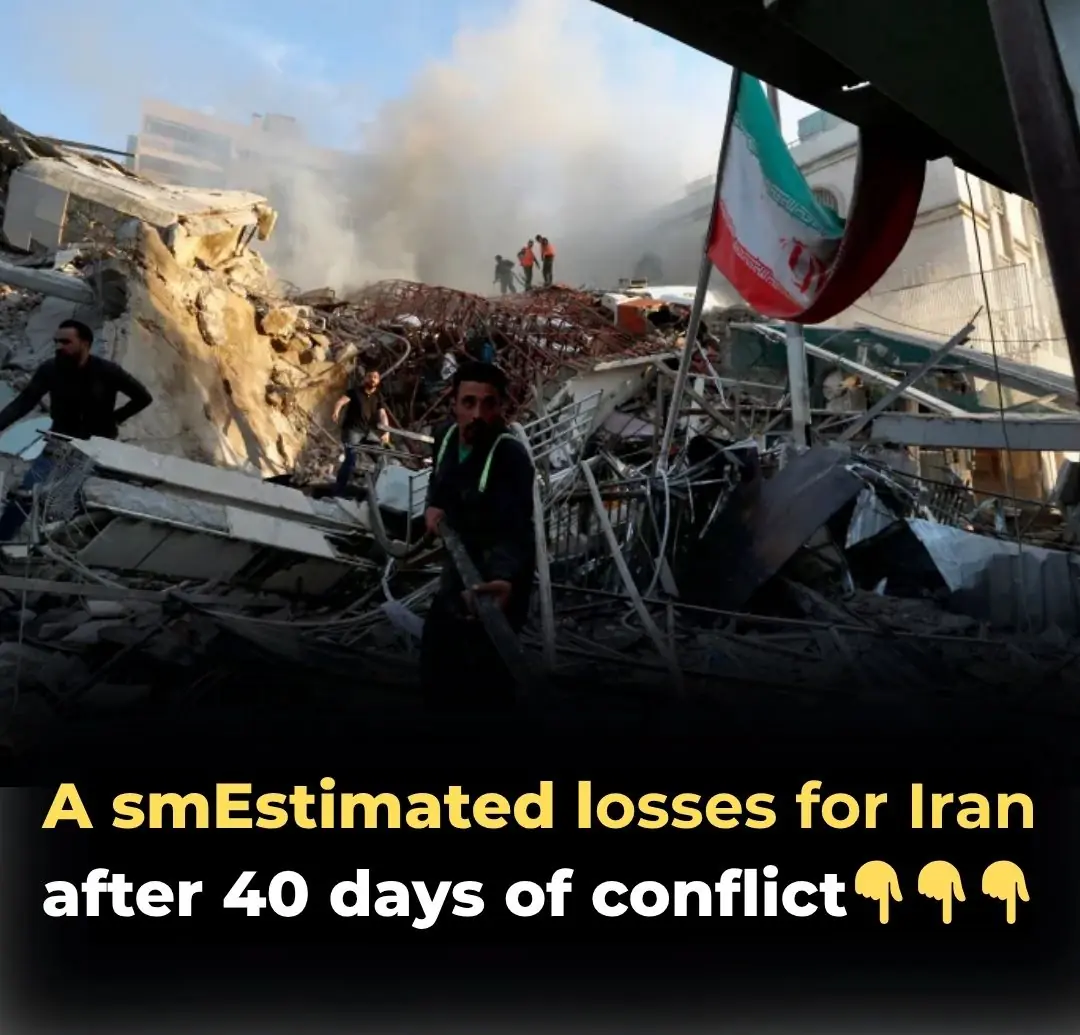
While Iran has proven resilient under decades of sanctions, a direct naval blockade represents a different category of economic warfare. The potential losses extend beyond mere currency; it threatens the fundamental stability of the state's logistical and social systems. For Tehran, the cost of this standoff may soon become too high to ignore.