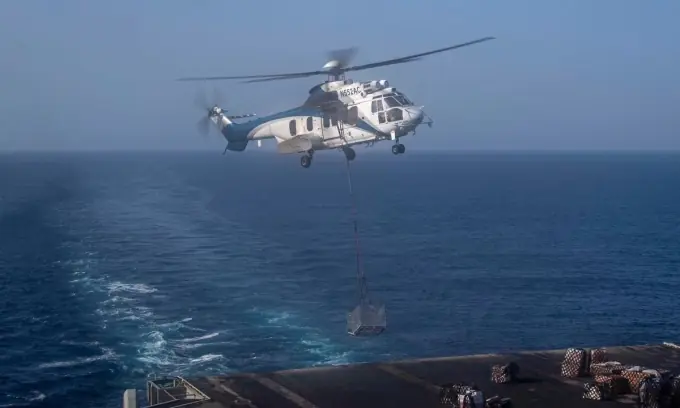
The US deploys an aircraft carrier to participate in the blockade of Iranian ports
News 21/04/2026 14:51
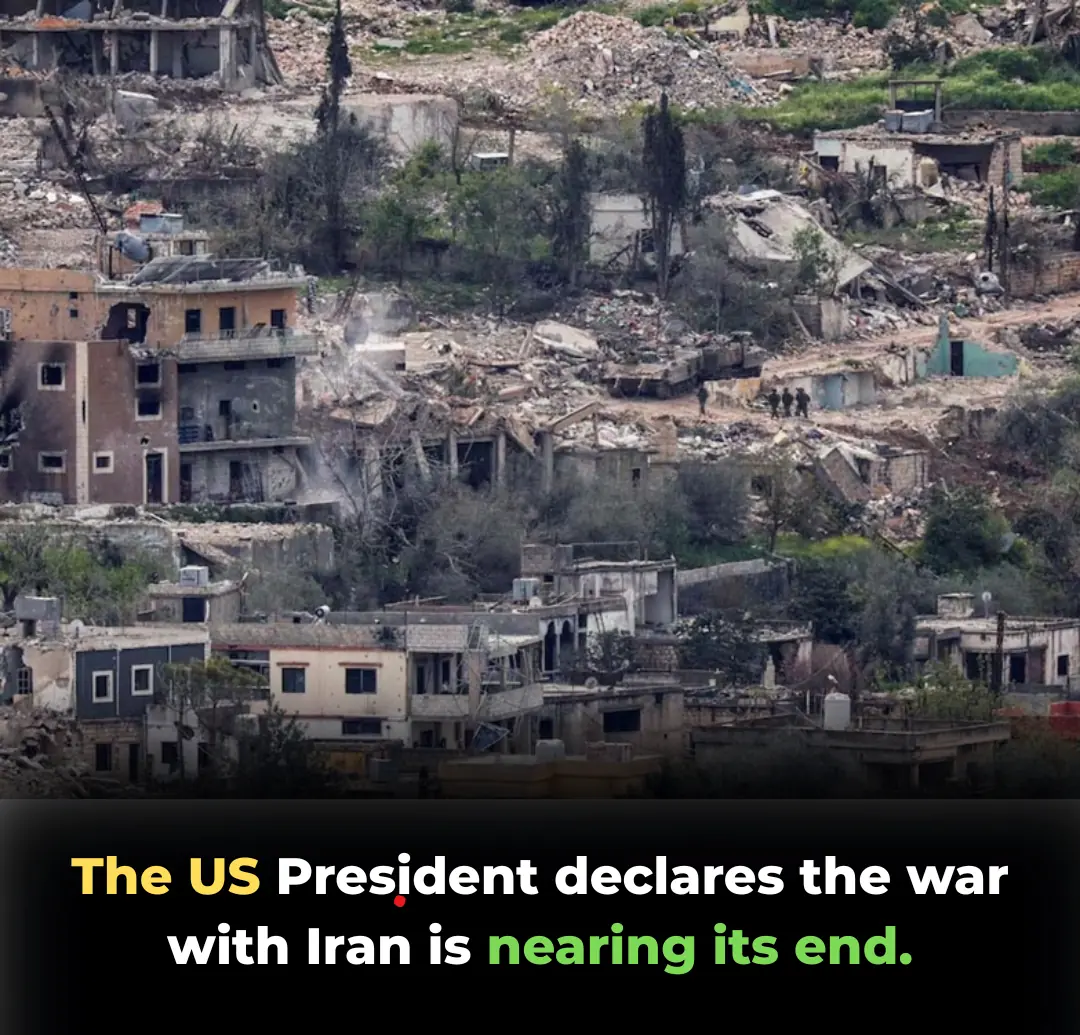
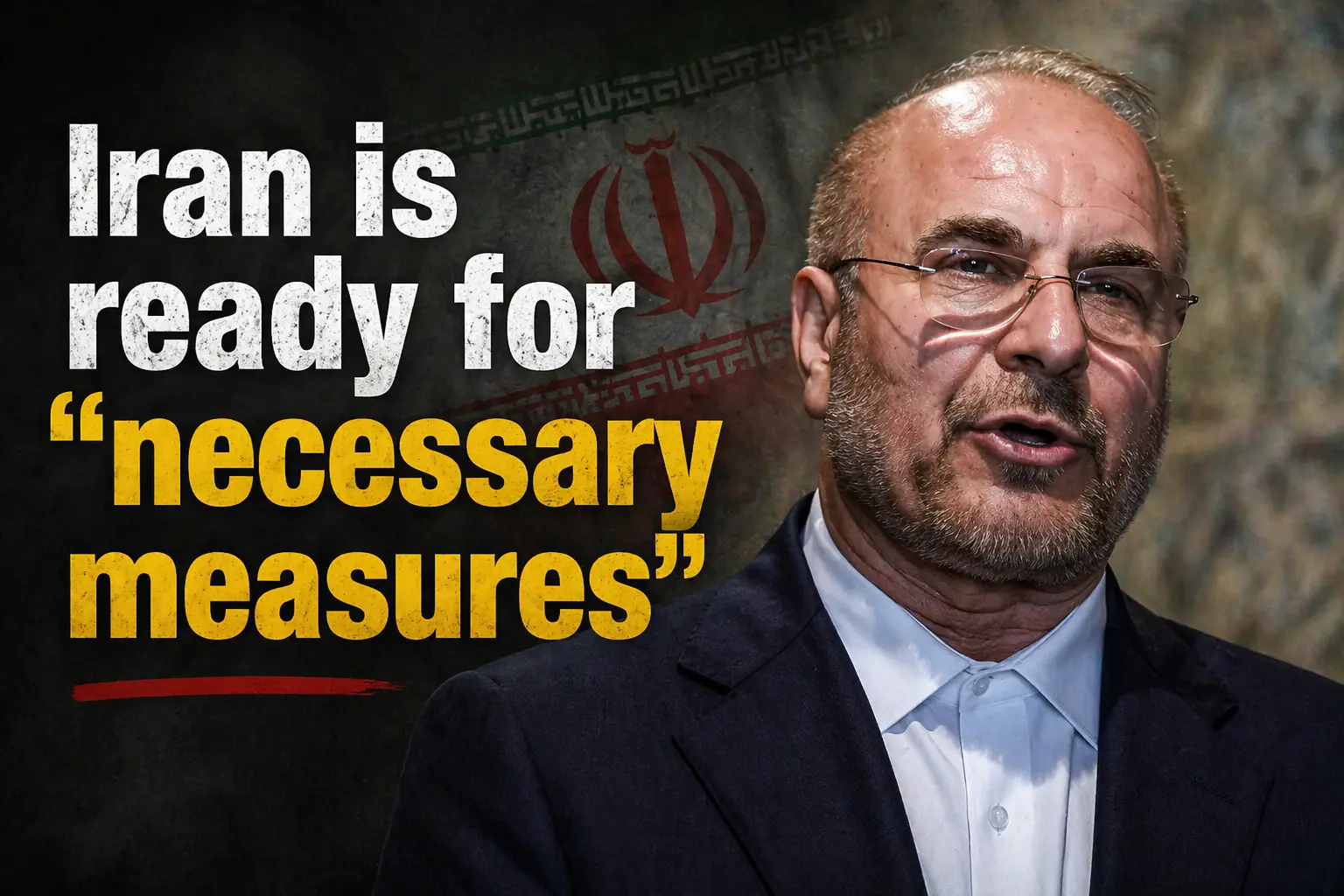
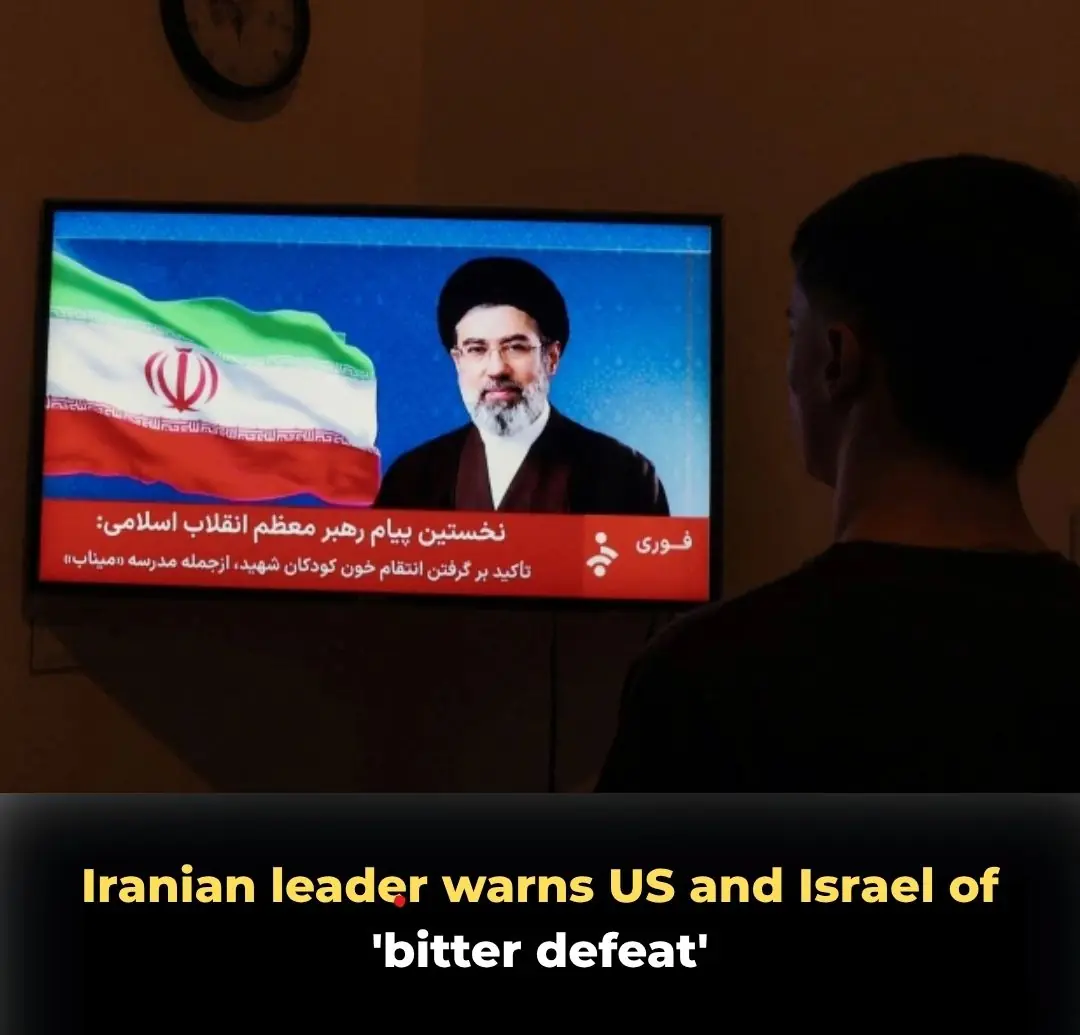
(HANOI) — US President Donald Trump has expressed strong optimism regarding the de-escalation of tensions with Iran, stating that the conflict is "almost over" as diplomatic channels through Pakistan begin to show signs of progress.
In a recent interview with Fox News on April 14, President Trump shared his perspective on the long-standing military and economic confrontation with Tehran. "I think it's almost over," the President remarked, signaling a potential shift from active hostilities to the negotiating table.
This statement comes after a weekend of intense discussions in Islamabad, Pakistan. Although an official agreement was not reached during the initial talks, the White House has hinted that significant developments could occur within the next 48 hours. President Trump noted that Iran appears "very much" to want a deal, suggesting that the economic pressure and diplomatic isolation may be leading to a breakthrough.
While Washington and Tehran eye a possible return to negotiations, regional players are ramping up mediation efforts. Pakistan’s Prime Minister, Shehbaz Sharif, is scheduled to visit Saudi Arabia, Qatar, and Turkey this week to facilitate a second round of talks between the two adversaries.
Simultaneously, a historic meeting took place in Washington between high-ranking officials from Israel and Lebanon. For over two hours, the two sides discussed a ceasefire to end cross-border skirmishes. While a definitive commitment to stop military actions in Southern Lebanon has not yet been secured, US diplomats described the preliminary talks as "constructive."
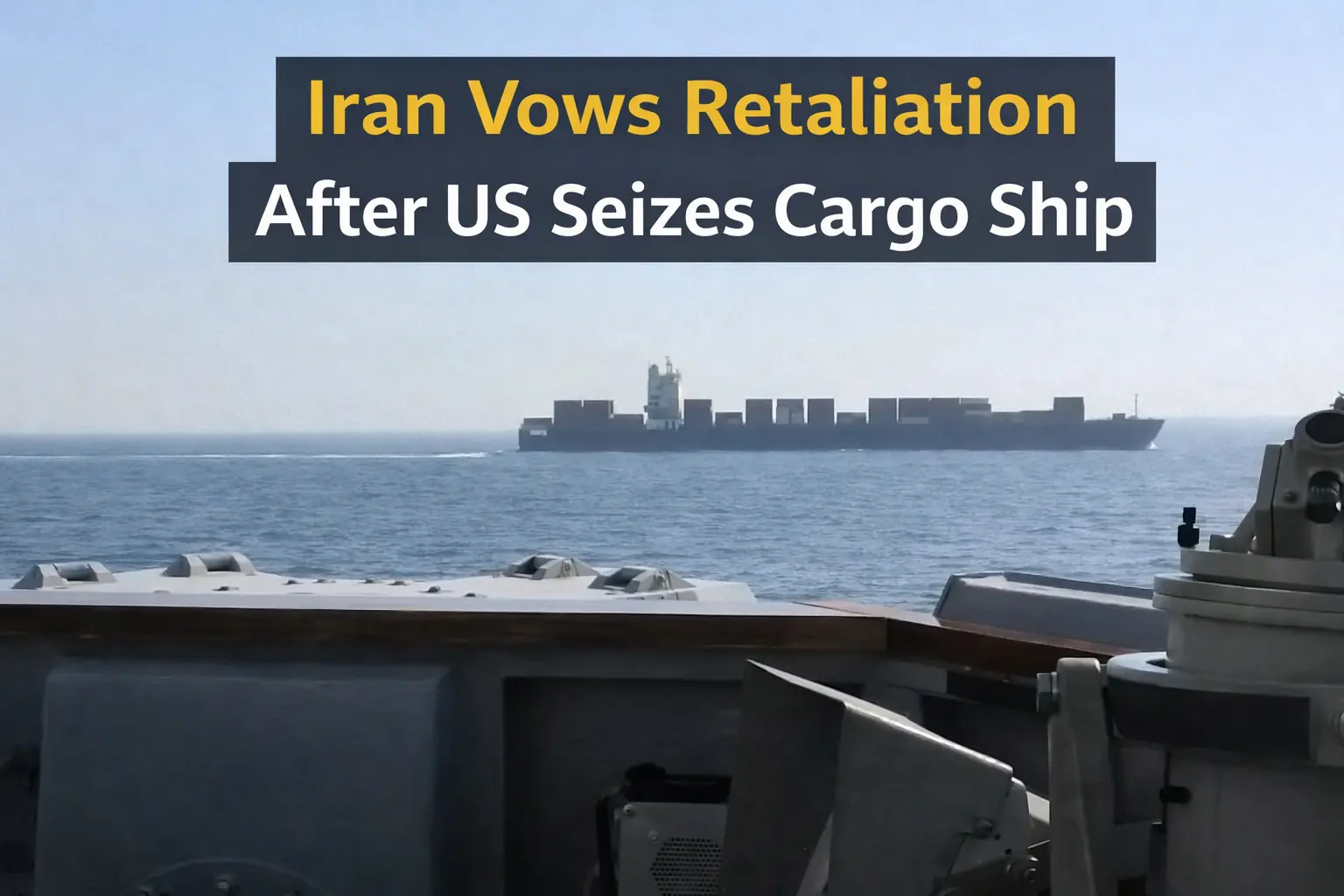
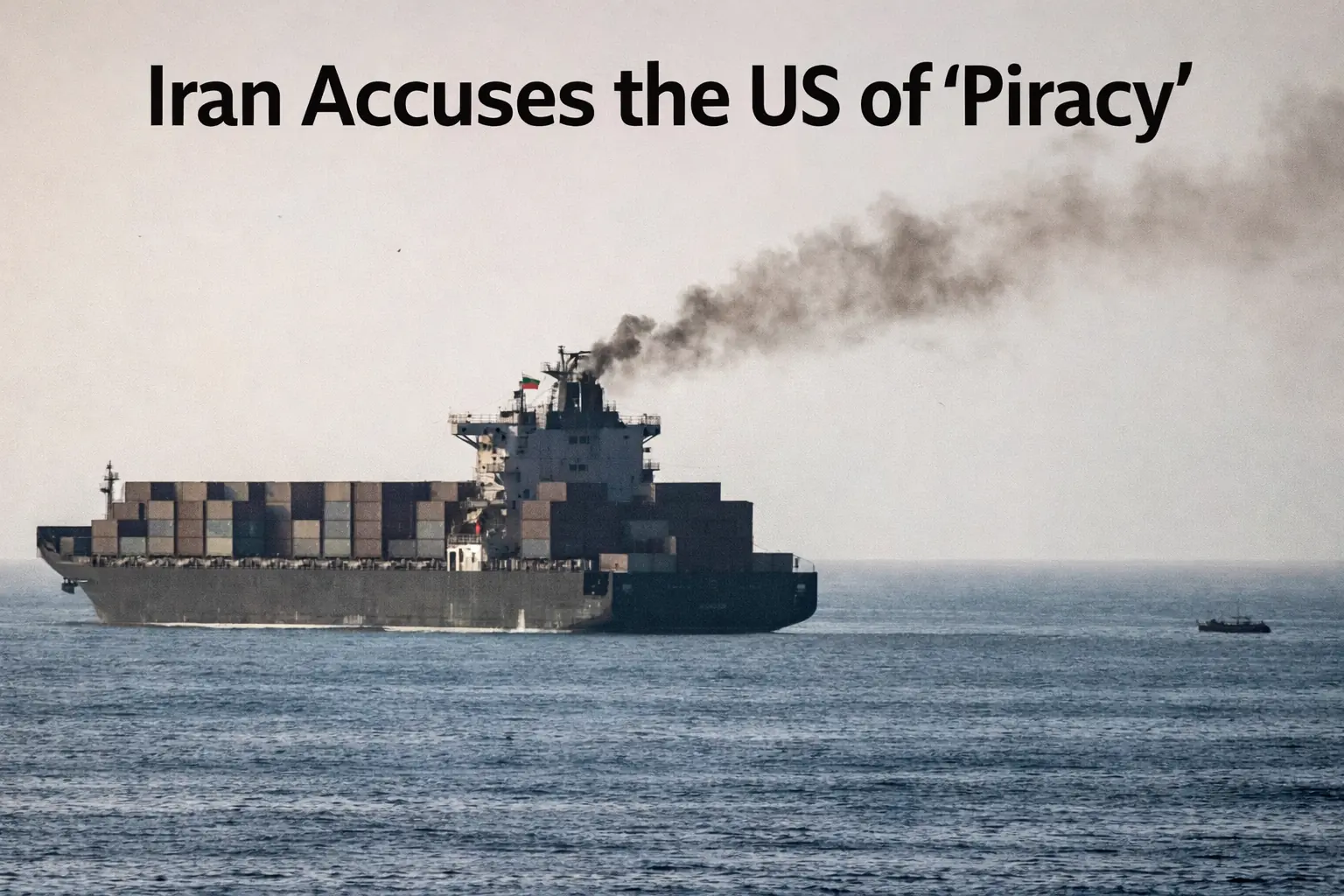
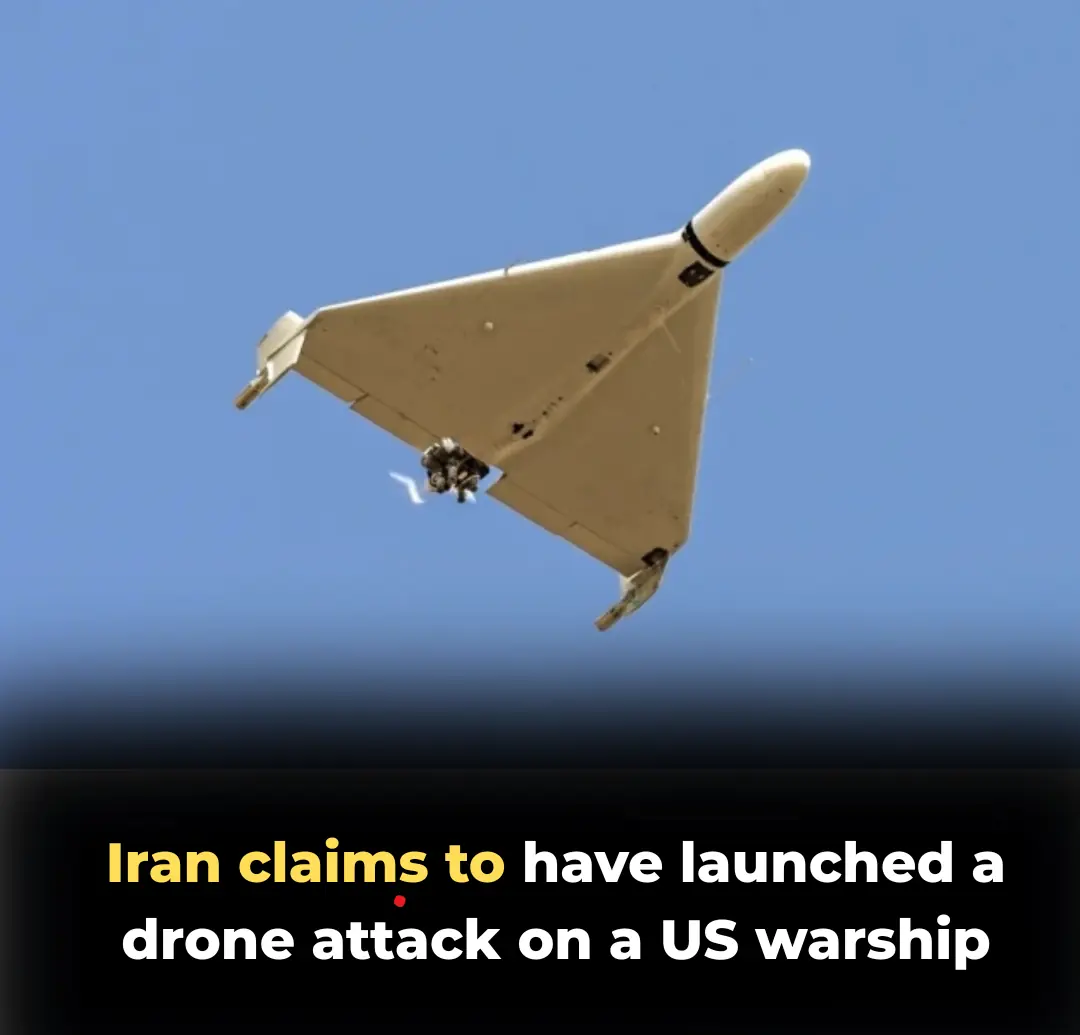
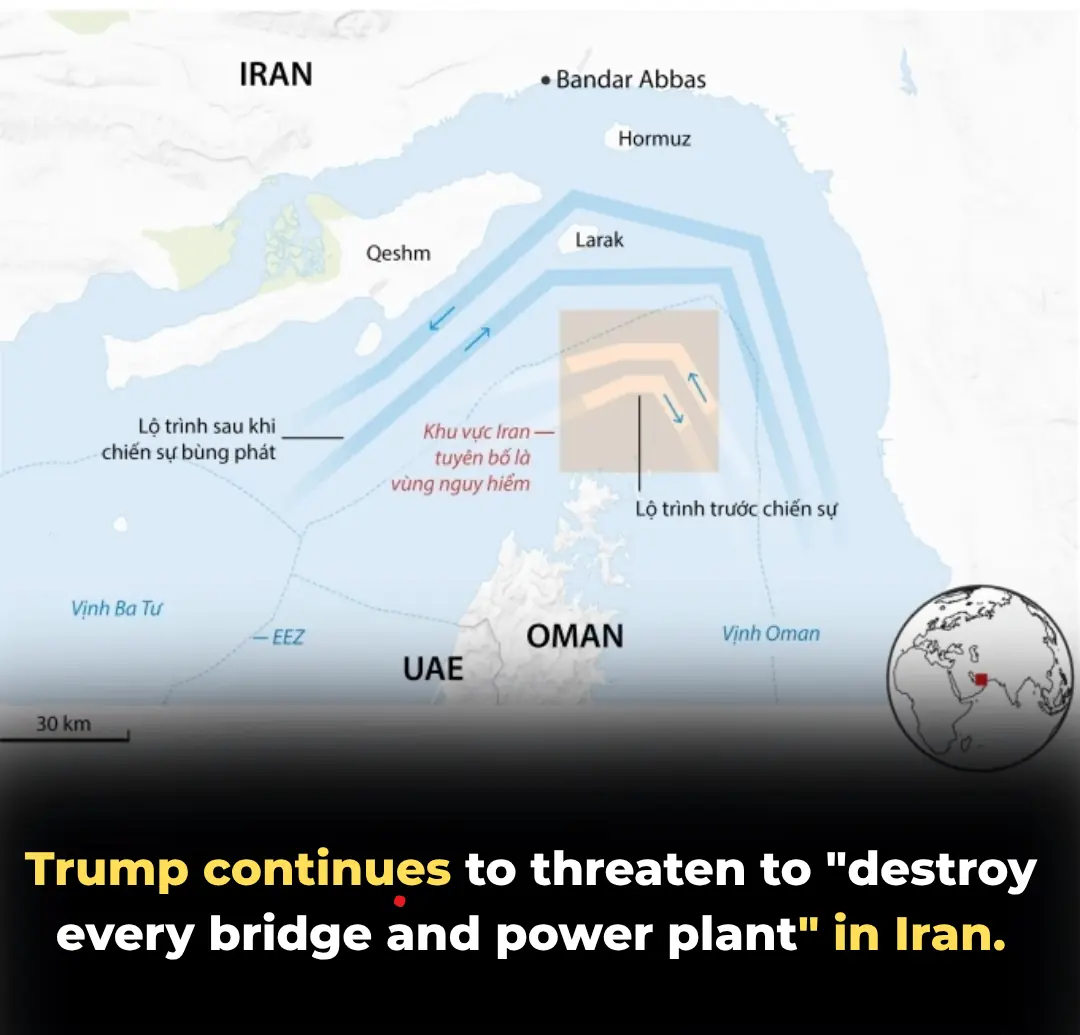
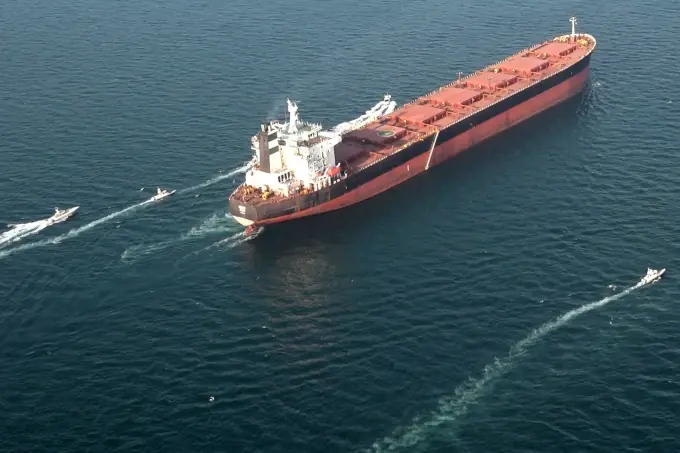
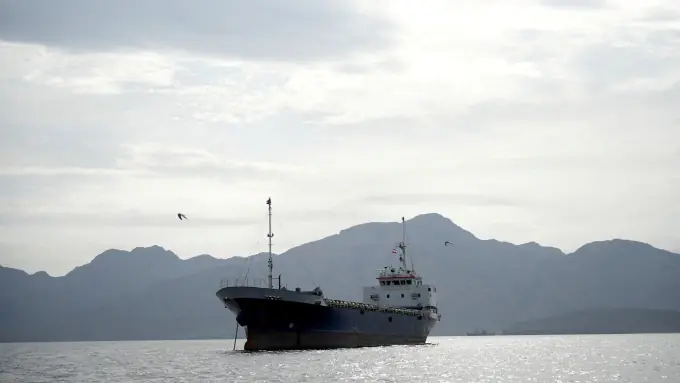
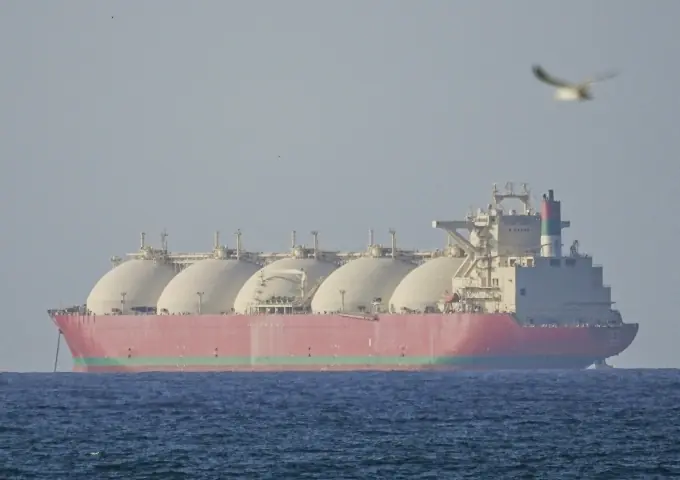
Despite the diplomatic optimism, the U.S. military continues to enforce a strict "maximum pressure" campaign on the ground. On April 15, the U.S. Central Command (CENTCOM) confirmed that it had successfully blocked all maritime trade entering and exiting Iranian ports.
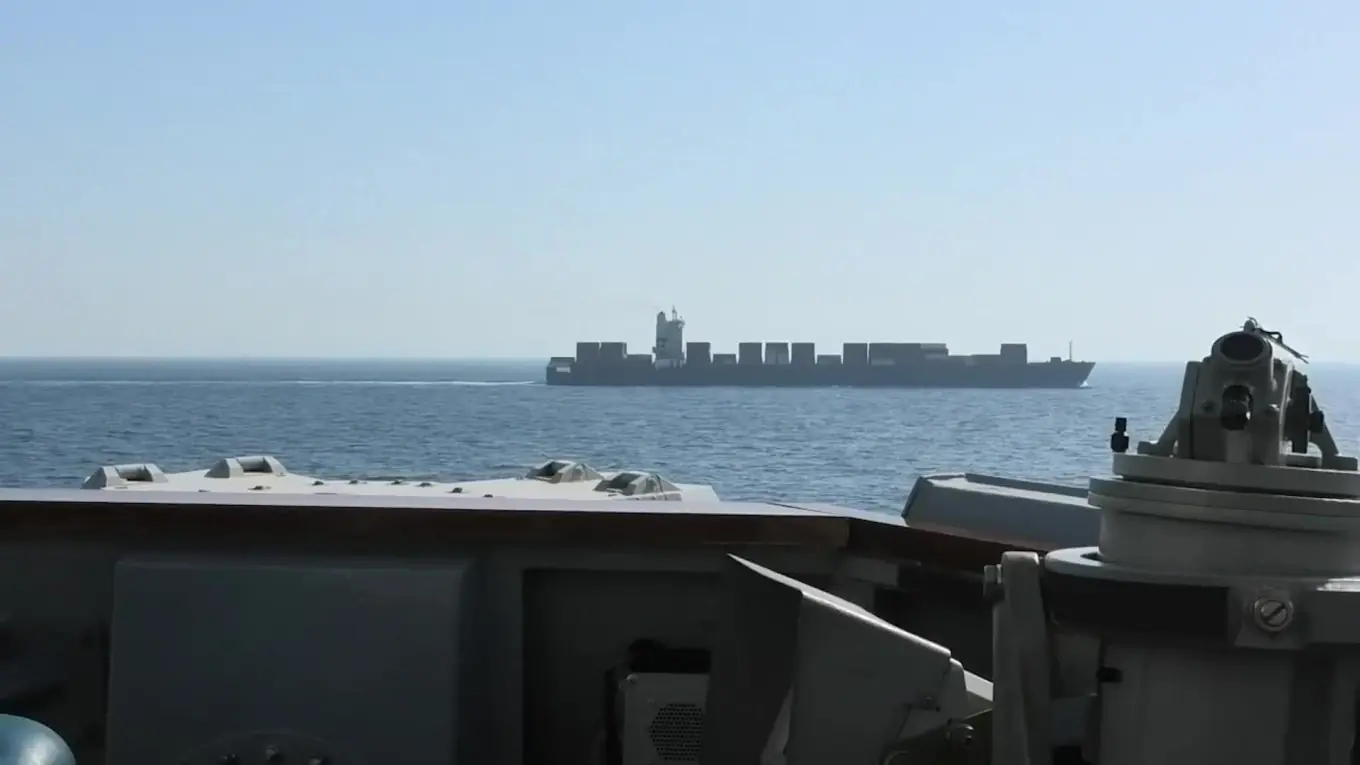
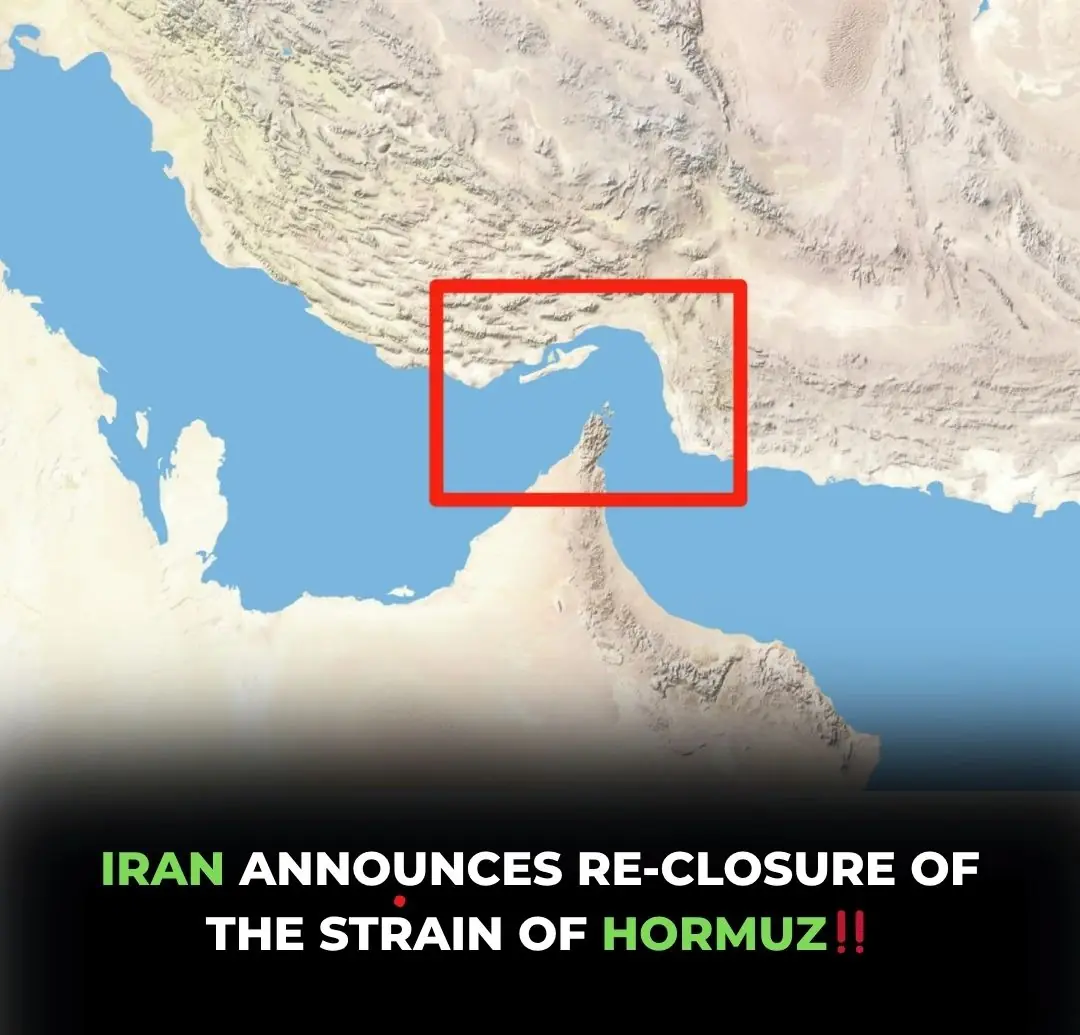
Admiral Brad Cooper, commander of CENTCOM, announced on social media that U.S. forces—utilizing over 12 warships and 100 aircraft—effectively shut down Iran's economic maritime routes within 36 hours of the blockade's commencement. Reports indicate that at least eight tankers linked to Iran have been intercepted in the Strait of Hormuz.
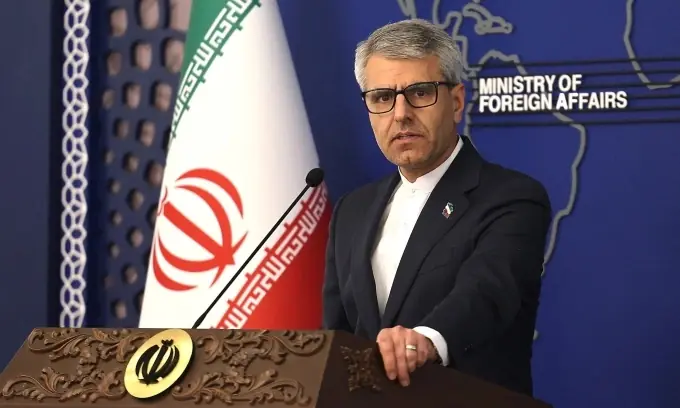
The situation remains a complex "test of endurance" between the U.S. and Iran. While both sides have publicly denied reaching a formal agreement to extend the current two-week ceasefire (set to expire on April 21), the rhetoric from the White House suggests a preference for a "Grand Bargain."
Vice President JD Vance, who led the U.S. delegation in Pakistan, remains optimistic about achieving the President’s vision for a lasting agreement, despite decades of mutual distrust. As the world watches the diplomatic shuttle in the Middle East, the coming days will be crucial in determining whether the region moves toward a sustainable peace or returns to a state of heightened conflict.