Most people don't know the meaning of wearing an ankle bracelet
Facts 30/04/2026 15:34
These Everyday Kitchen Appliances Could Cause Fires While You Sleep—Here’s Why Experts Say to Unplug Them
When we think of fire hazards in the home, the kitchen is almost always the first place that comes to mind—and for good reason. According to the National Fire Protection Association (NFPA), cooking remains the leading cause of residential fires and related injuries. But the risks don’t end once dinner is over or the stove is turned off. In fact, some of the greatest fire threats may be hiding in plain sight: your small kitchen appliances, even when they’re switched “off.”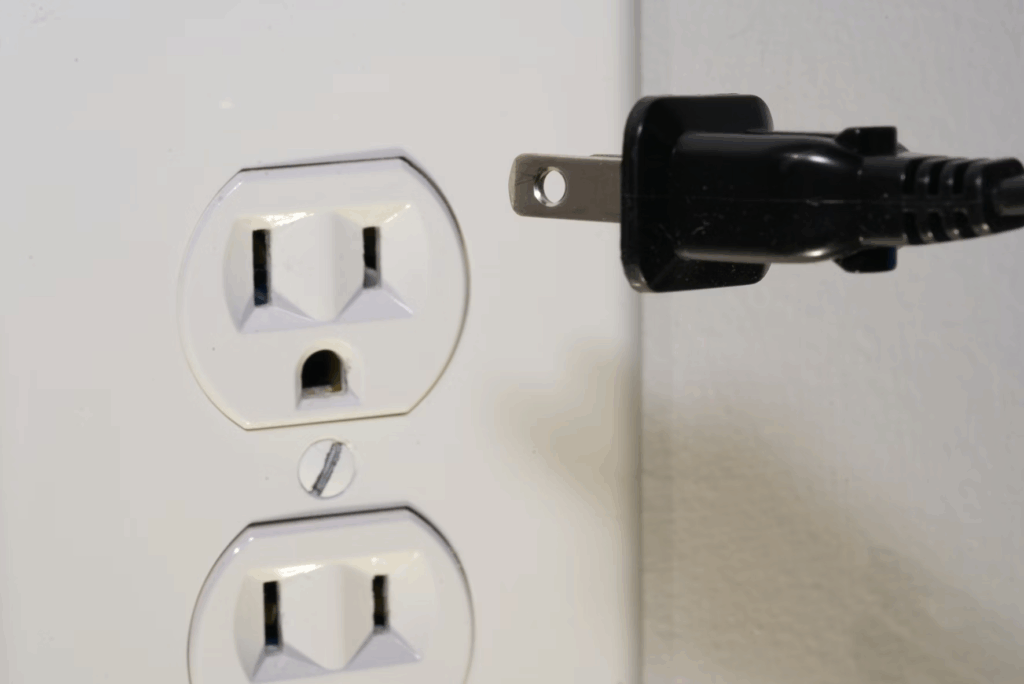
Many kitchen devices continue to draw power while idle, and those that generate heat can become particularly dangerous if something malfunctions while you're asleep. “The appliances that I would be most concerned about are those that produce heat that do not have the ability to automatically shut off,” says Corey Hannahs, a licensed master electrician and electrical content specialist with the NFPA. He emphasizes that simply unplugging these devices at night is a smart, preventative action that could save your home—and possibly your life.
Below are five everyday kitchen appliances that fire safety professionals urge you to unplug before going to bed. Some may surprise you.
Your toaster might look innocent sitting on the countertop, but it’s one of the biggest fire hazards in your kitchen. Toasters contain exposed heating elements, which can ignite if crumbs or leftover food debris get too close.
As reported by Southern Living, citing data from the U.S. Fire Administration, faulty or aging toasters left plugged in overnight have been the cause of numerous household fires. Even when not in use, a plugged-in toaster can still draw current and potentially cause an electrical arc, especially if it’s old or has frayed wiring.
Safety Tip: Empty the crumb tray regularly, check the power cord for signs of wear, and make it a nightly habit to unplug the toaster after use.
Many people love the convenience of setting their coffee machine to start brewing first thing in the morning. However, this overnight convenience could become dangerous.
Traditional drip coffee makers often include a hot plate that stays warm for extended periods. Older models may lack an automatic shut-off feature, which dramatically increases the fire risk if something goes wrong while you’re asleep.
Jason Altshuler, owner of My Electric Home, notes that even modern, smart-enabled coffee makers with Wi-Fi capabilities can draw several watts of power when idle. That small energy drain adds up—and not just on your electricity bill. Internal components can overheat during unexpected power surges, sometimes sparking fires.
Safety Tip: Choose a coffee maker with a reliable auto shut-off. Better yet, unplug it before bed to eliminate any chance of trouble.
Though it may appear “off,” a microwave continues to draw electricity as long as it’s plugged in. That energy powers its clock, control panel, and internal sensors—creating potential fire hazards if something malfunctions.
The U.S. Consumer Product Safety Commission warns that older or defective microwaves can pose a serious risk. Faulty internal wiring, failing relays, or malfunctioning switches can result in overheating, even when the appliance isn’t actively being used.
Microwaves over 10 years old are especially vulnerable, and during overnight hours—when no one is around to notice a burning smell or smoke—the danger becomes far greater.
Safety Tip: If your microwave is aging or showing erratic behavior (like flickering lights or a stuck door latch), consider replacing it. Regardless, unplug it before heading to bed each night.
Air fryers have become wildly popular for their convenience and healthier cooking approach. But despite their trendy appeal, they carry real fire risks.
These appliances frequently reach high temperatures—over 400°F—and contain built-in fans and timers that can fail. Leftover oil or crumbs inside can ignite if the appliance turns on accidentally or malfunctions.
Though many models are equipped with automatic shut-off features and timers, those safety measures aren’t foolproof. The Los Angeles Fire Department advises unplugging all heat-generating devices when not in use, including countertop ovens, toaster ovens, and air fryers.
Safety Tip: Clean your appliance after each use to remove grease and food particles, ensure proper airflow around it, and always unplug before going to sleep.
Boiling water for tea or using a hot plate for a quick meal may seem harmless—but these devices can quickly become dangerous if something malfunctions.
Electric kettles can “dry boil” if turned on without water, potentially melting components and causing electrical shorts. Hot plates are often less regulated and can stay hot long after being turned off—or even turn on accidentally due to faulty switches.
The U.S. Fire Administration cautions that any small appliance generating heat should be unplugged when not in use.
Safety Tip: Don’t leave water sitting in kettles overnight, and check that hot plates have cooled before storing. Unplug both appliances every evening to minimize risk.
Fire risks don’t increase at night because appliances behave differently—they become more dangerous because you’re not awake to intervene. According to the NFPA, house fires that start at night are far more deadly. Sleeping residents are slower to respond, and flames often have time to grow unchecked before being noticed.
Even the latest “smart” devices with modern circuitry are not immune to failure. Surges, aging components, or malfunctioning electronics can all contribute to heat buildup, potentially igniting fires in the quietest hours of the night.
The NFPA and U.S. Consumer Product Safety Commission recommend the following steps for fire-safe kitchen habits:
Unplug all countertop cooking appliances after use—especially before bedtime.
Inspect cords and plugs regularly, and replace any device with signs of damage or age.
Avoid using extension cords with high-wattage devices like microwaves, air fryers, or kettles.
Install smoke detectors near—but not directly above—your kitchen appliances.
Use GFCI outlets in kitchens to prevent shocks and reduce the risk of electrical fires.
Taking 60 seconds to walk through your kitchen can dramatically lower the chance of a fire. Here’s a simple checklist to follow every evening:
✅ Make sure all appliances are turned off and cool to the touch
✅ Unplug heat-producing devices like toasters, kettles, and coffee makers
✅ Clear flammable materials (like paper towels or curtains) away from outlets
✅ Confirm that your smoke alarms are functional and have fresh batteries
✅ Set a reminder alarm or note as part of your bedtime wind-down
Fires don’t just start while you’re cooking. Sometimes, they begin hours later—when no one is watching. The habit of unplugging appliances might seem minor, but it’s one of the most effective and affordable ways to protect your home.
It doesn’t require a major renovation, smart-home upgrade, or expensive equipment—just a moment of awareness and action.
Before you head to bed tonight, take one last look at your kitchen. Those few seconds could make all the difference.
And remember: when in doubt, pull the plug.