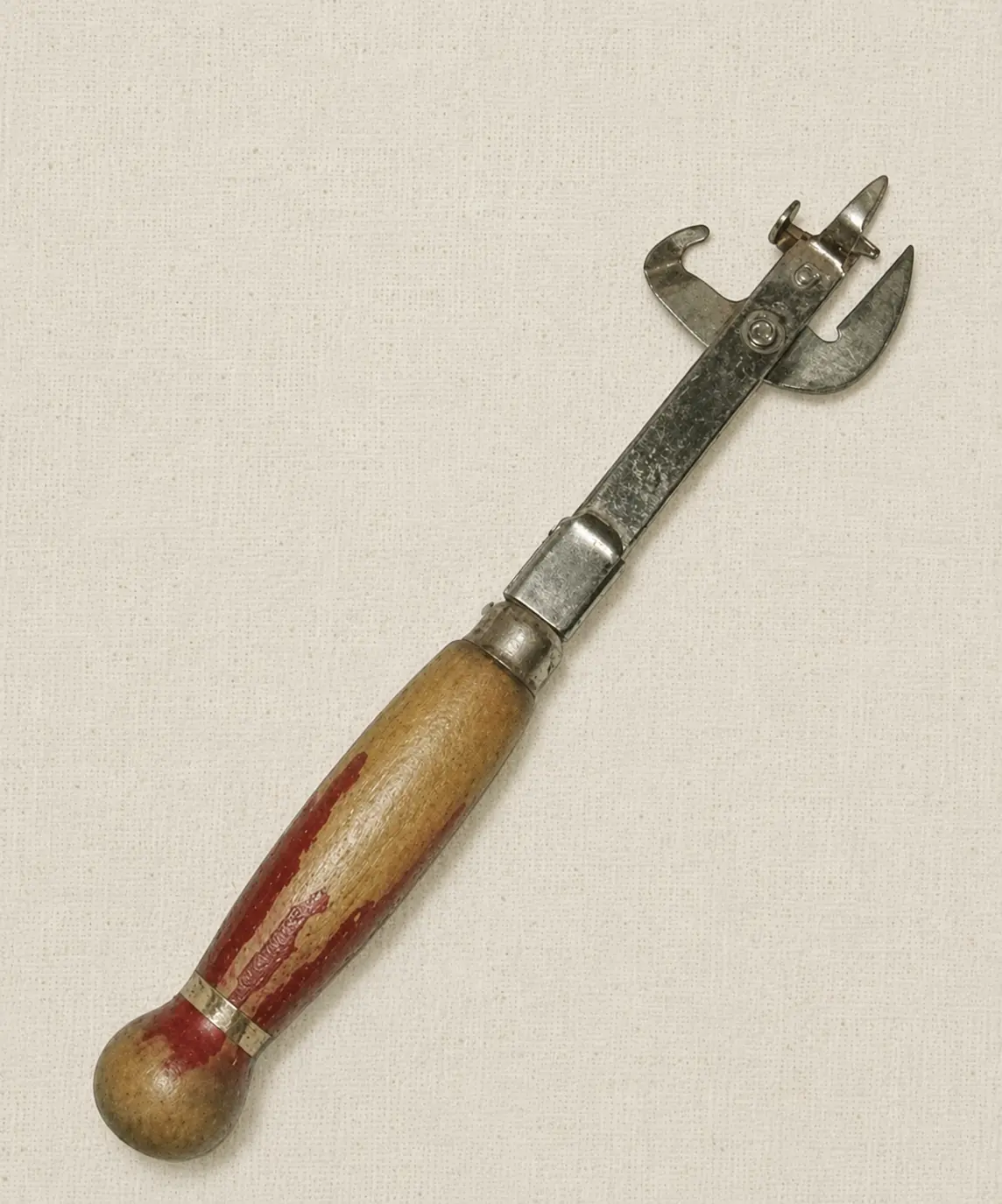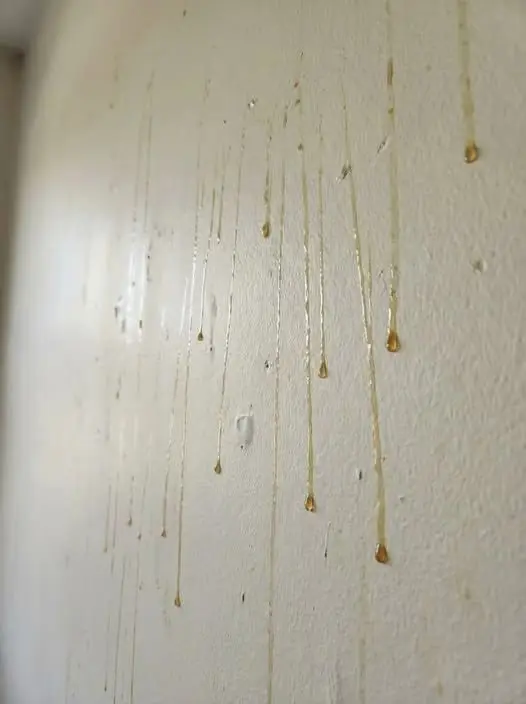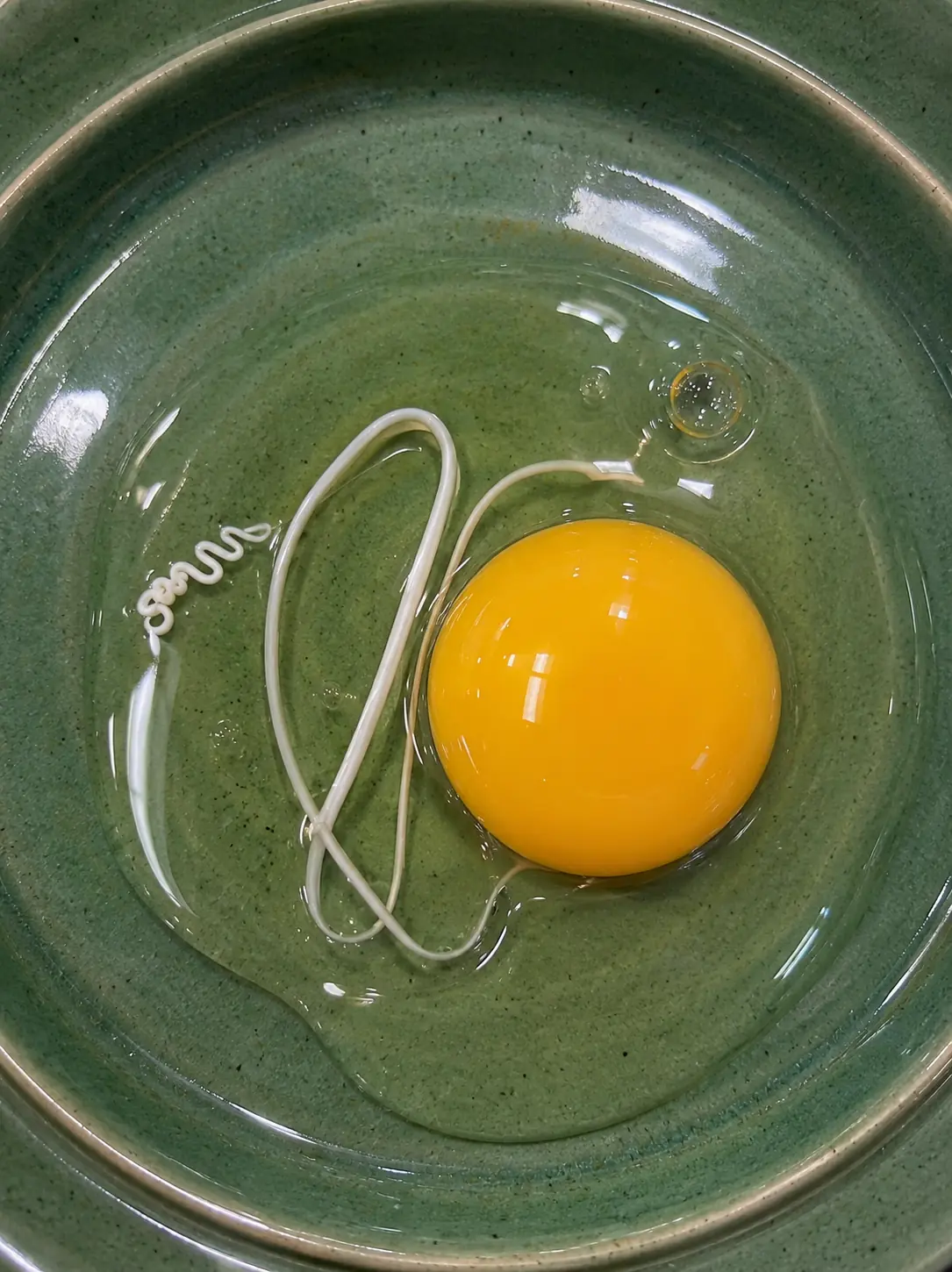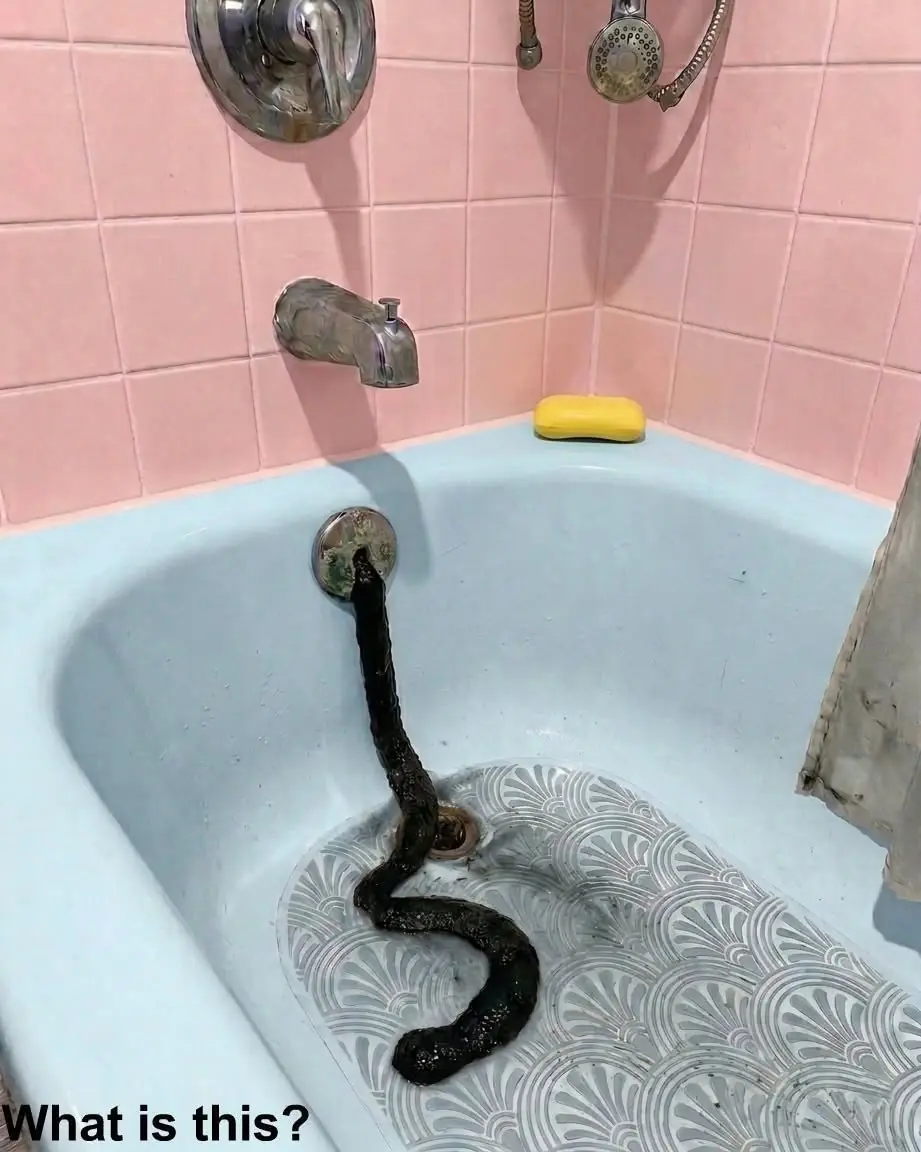
People Are Confused About What This Might Be
Facts 24/06/2026 20:57
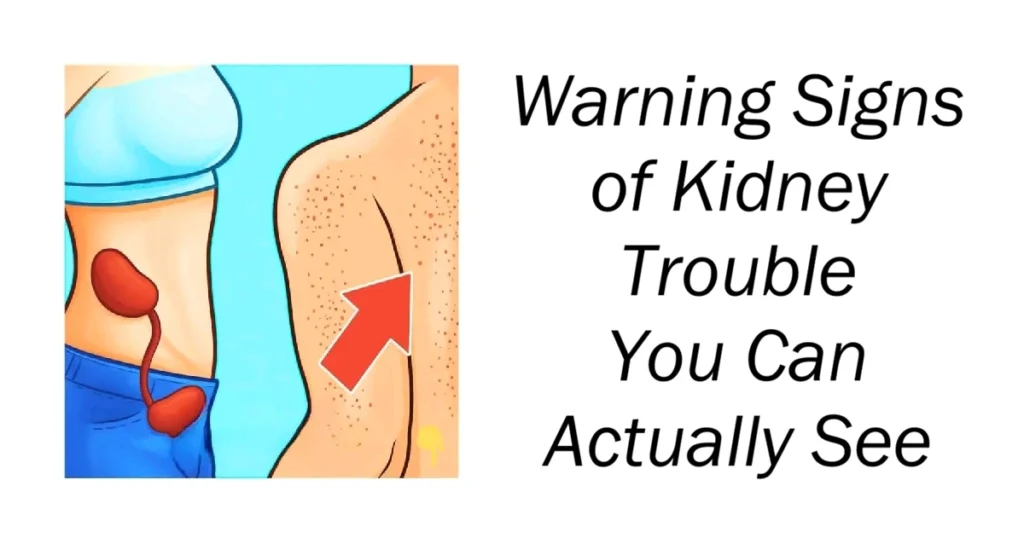
Warning Signs of Kidney Trouble You Can Actually See
(Most People Miss These—Especially #3)
What if your body has been quietly trying to warn you about your kidneys… and you just didn’t recognize the signs?
Here’s the surprising part: up to 90% of people with Chronic Kidney Disease don’t even know they have it. That’s what makes it so dangerous—it often develops silently, without obvious symptoms in the early stages.
But not always.
In many cases, your body does send signals. Subtle changes in your urine, skin, nails—even your breath—can offer clues that something isn’t right.
Let’s break down 17 visible signs you shouldn’t ignore.
Your kidneys do far more than just filter waste. They help:
When they’re not working properly, the effects show up in ways you might not expect.
If your urine consistently looks foamy—like the head of a beer—it could signal protein leakage. This often means the kidney’s filtering units (glomeruli) are damaged.
Press your shin gently—if it leaves an indent, that’s called edema. It can happen when your body loses protein through urine, causing fluid to leak into tissues.
Waking up multiple times to pee (known as nocturia) may mean your kidneys are struggling to concentrate urine properly.
If your nails appear white at the base and darker at the tips, it may be linked to kidney dysfunction.
When kidneys can’t balance minerals, calcium and phosphate can build up—leading to skin bumps or stiffened blood vessels.
Low calcium levels can trigger painful cramps and weaken bones over time, increasing fracture risk.
A buildup of toxins in the blood (uremia) can irritate nerves and skin—causing intense itching or an uncontrollable urge to move your legs at night.
Food may start to taste strange—like metal. You might also notice bad breath or reduced appetite, leading to unintended weight loss.
Kidney issues can affect how well your blood clots, making bruising, nosebleeds, or bleeding gums more common.
In advanced cases, toxins can actually crystallize on the skin, leaving a white, powdery residue.
This is a serious complication where toxins inflame the lining around the heart, causing chest pain. It requires urgent medical attention.
Damaged kidneys produce less erythropoietin—a hormone needed to make red blood cells. The result? Anemia and constant exhaustion.
Perhaps the most important sign: nothing noticeable.
Early-stage kidney disease often shows zero obvious symptoms. Many people only discover it through routine blood or urine tests.
The most common culprits include:
Over time, these can damage the kidneys without clear warning signs.
If you notice any combination of these symptoms—especially persistent ones—it’s worth speaking to a healthcare professional.
Early detection can make a huge difference. In many cases, addressing the root cause can slow or even prevent further damage.
Your body is constantly communicating with you—but it doesn’t always speak loudly.
Sometimes, it’s a small change:
Individually, they may seem minor. Together, they could be a signal worth paying attention to.
Listening early could protect your health later.