Why Your Fingers Wrinkle in Water
Tips 27/06/2026 22:22
White vinegar has been used for generations as one of the simplest and most effective household cleaning solutions, especially when it comes to laundry care and washing machine maintenance.
Many people spend large amounts of money on specialized cleaners, fabric softeners, stain removers, and odor eliminators without realizing that a simple bottle of vinegar can often achieve impressive results at a fraction of the cost.
When used correctly, vinegar can help deep-clean a washing machine, remove unpleasant odors, soften towels naturally, brighten white clothing, and even extend the life of fabrics and appliances.
One of the main reasons vinegar works so well is because of its acidic nature.
White distilled vinegar contains acetic acid, which helps dissolve mineral buildup, soap residue, detergent deposits, and certain bacteria or mold that accumulate inside washing machines over time. Even if a washing machine looks clean on the outside, the inside can slowly develop hidden buildup that affects both the machine’s performance and the cleanliness of clothing.
Over time, detergent residue, fabric softener, body oils, lint, and hard water minerals can collect inside the drum, hoses, filters, and rubber seals of a washing machine.
This buildup can create unpleasant smells, reduce washing efficiency, and even leave clothes feeling stiff or dull after washing.
Vinegar helps break down these deposits naturally and safely when used properly.
To clean a washing machine thoroughly with vinegar, begin by making sure the machine is completely empty.
Remove all clothing and check inside the drum for any loose debris or lint.
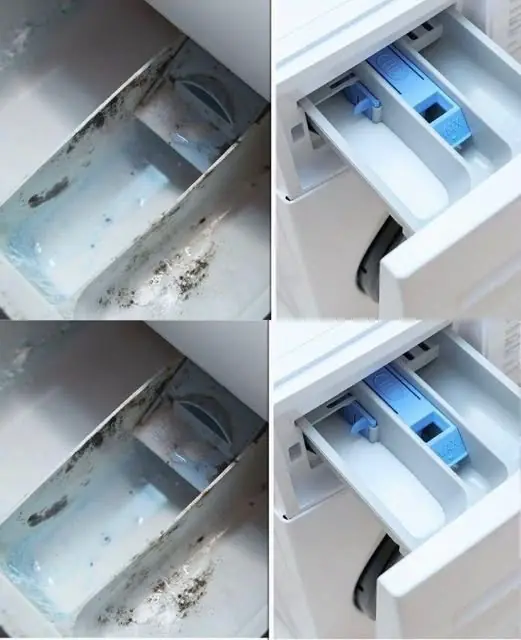
If the machine has removable detergent trays or filters, take them out and rinse them separately with warm water before starting the cleaning process.
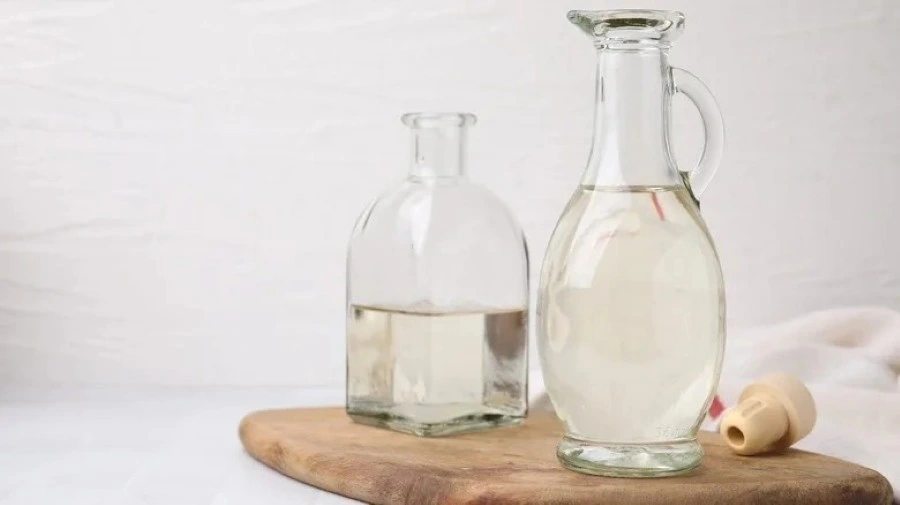
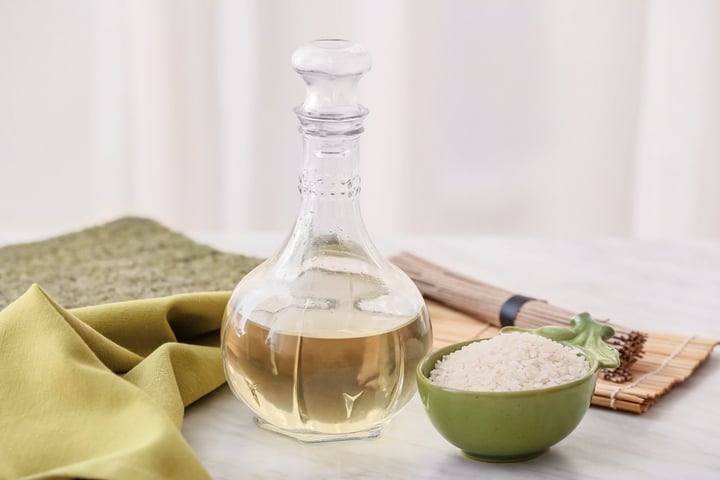
Next, pour about two cups of white distilled vinegar directly into the washing machine drum.
Do not mix vinegar with bleach or harsh chemical cleaners, as combining certain substances can create dangerous fumes.
Vinegar works best on its own for regular maintenance cleaning.
Set the washing machine to the hottest and longest wash cycle available.
Hot water helps activate the vinegar more effectively and loosens stubborn buildup inside the appliance.
As the cycle runs, the vinegar moves through the drum, pipes, and internal components, helping dissolve soap scum, mineral deposits, and odor-causing residue.
For washing machines with strong odors or visible mold, especially around the rubber gasket of front-loading machines, pause the cycle after a few minutes and allow the hot vinegar water to sit inside the machine for about one hour.
This soaking period gives the vinegar extra time to break down grime and bacteria before the cycle resumes.
After the wash cycle finishes, use a clean cloth or microfiber towel dipped in vinegar to wipe down the inside of the drum, the rubber door seal, detergent compartments, and the outer surfaces of the machine.
Many people are surprised by how much hidden dirt collects around the rubber seals and detergent trays.
These areas are especially prone to moisture buildup and mildew growth.
If stubborn residue remains, an old toothbrush or small cleaning brush can help scrub difficult corners and crevices.
Once everything has been wiped clean, leave the washing machine door open for several hours to allow the interior to dry completely.
Proper airflow helps prevent mold and mildew from returning quickly.
Cleaning the washing machine with vinegar once a month can help maintain freshness, improve washing performance, and prolong the machine’s lifespan.
It also helps prevent musty odors from transferring onto clothing and towels.
Vinegar is also highly valued in laundry care because it works as a natural fabric softener. Many commercial fabric softeners leave behind chemical coatings that gradually reduce towel absorbency and weaken fabric fibers over time.
Vinegar, on the other hand, helps remove detergent residue from fabrics while naturally softening them without leaving a heavy coating behind.
Towels often become rough or stiff because excess detergent and fabric softener build up inside the fibers. Hard water minerals can make the problem even worse.
Instead of feeling fluffy and absorbent, towels may start to feel scratchy, heavy, or less effective at drying the skin. Vinegar helps restore softness by breaking down these residues and allowing the towel fibers to relax and open up again.
To soften towels using vinegar, simply add one cup of white distilled vinegar to the fabric softener compartment during the rinse cycle. Wash the towels as usual using regular detergent, but avoid adding extra fabric softener during that load. Once the towels are washed and dried, many people notice that they feel softer, fluffier, and more absorbent.
For towels that have become extremely stiff or carry lingering odors, a deeper treatment may help. Wash the towels once with hot water and one cup of vinegar only, without detergent. Then wash them a second time using a small amount of detergent without vinegar. This two-step process helps strip away old residue and restore freshness to the fabric.
Vinegar can also help brighten white laundry and reduce dullness caused by detergent buildup and hard water stains. White clothing, sheets, socks, and towels often lose their brightness over time even when washed regularly. Instead of appearing crisp and clean, they may start looking gray, yellowed, or faded.
Adding vinegar during the rinse cycle helps remove leftover detergent and mineral deposits that can trap dirt inside fabrics. This allows white fabrics to appear cleaner and brighter naturally. Many people add half a cup to one cup of vinegar to the rinse cycle when washing white loads.
For heavily stained or yellowed white items, soaking can be especially effective. Fill a basin or sink with hot water and add one to two cups of white vinegar. Allow the clothing or linens to soak for several hours or overnight before washing normally. This can help loosen stains, remove odors, and brighten fabrics without relying on strong bleaching agents.
Another major benefit of vinegar is odor removal. Clothes, towels, workout gear, and bedding can sometimes retain unpleasant smells even after washing. Sweat, mildew, smoke, pet odors, and dampness can become trapped inside fabric fibers. Vinegar helps neutralize these odors rather than simply masking them with fragrance.
Many people use vinegar when washing gym clothes, kitchen towels, blankets, or pet bedding because it helps remove stubborn smells effectively. The vinegar scent itself usually disappears once the laundry is fully rinsed and dried.
Vinegar can also reduce static cling in clothing and help prevent lint from sticking to fabrics. This makes it especially useful for blankets, towels, and certain synthetic materials that tend to collect static during drying.
Although vinegar offers many benefits, it should still be used properly and in moderation. Excessive use may eventually affect certain rubber components in older washing machines if used too frequently in large quantities. Most experts recommend using moderate amounts occasionally rather than daily. White distilled vinegar is generally considered the safest and most commonly recommended type for laundry and cleaning purposes.
It is also important not to mix vinegar with bleach. Combining acidic vinegar with chlorine bleach can produce toxic chlorine gas, which can be dangerous to inhale. Always use vinegar separately from bleach-based products.






Skip the Store-Bought Drinks: This Homemade Strawberry Juice Is Bursting With Fresh Flavor and Ready in Just 10 Minutes

A Closer Look at the Juicy Steak: Exploring a Culinary Delight


Math problem from school that many adults fail: Solve it without a calculator