5 Subtle Signs That May Suggest Heart Trouble – And When to See a Doctor
Health 25/06/2026 11:09
Waking Up With a Dry Mouth at Night …Here’s What Your Body May Be Trying to Tell You
Waking up in the middle of the night with a dry, sticky mouth can feel uncomfortable and frustrating.
For many people, it happens occasionally and seems harmless — maybe from sleeping with the mouth open or not drinking enough water during the day.
But when dry mouth becomes frequent, it may be a sign that something deeper is going on.
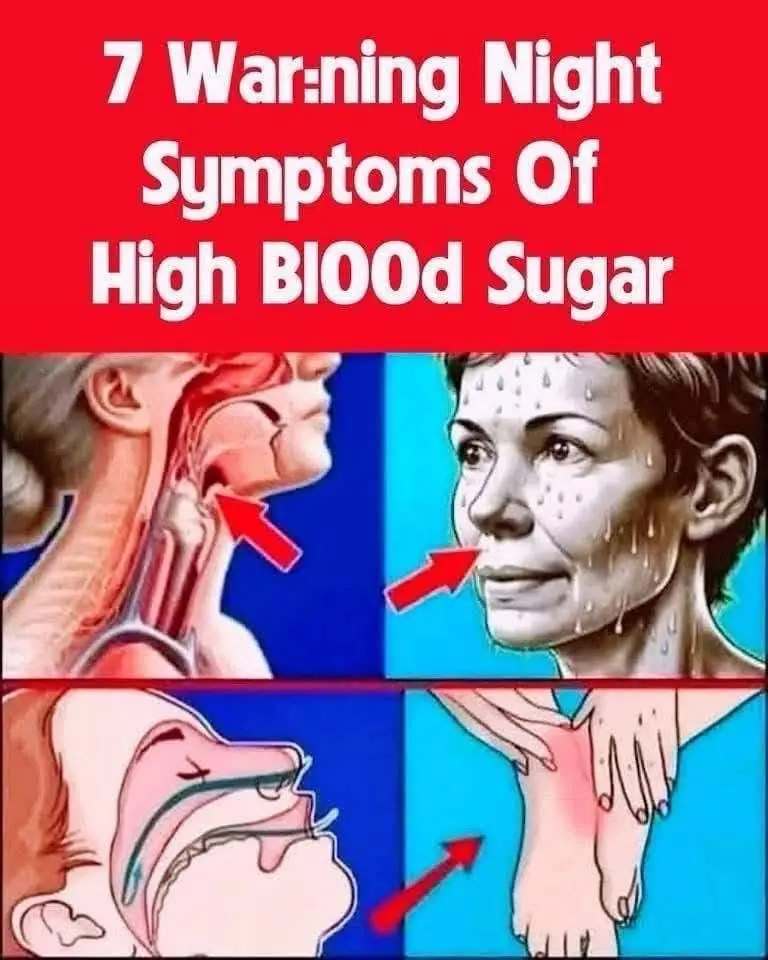
Persistent nighttime dry mouth, medically known as nocturnal xerostomia, can sometimes point to underlying health conditions ranging from dehydration and stress to sleep apnea or diabetes.
And because saliva plays a major role in protecting your mouth and overall health, it’s not a symptom worth ignoring.
Here’s what may be causing it — and when it’s time to seek medical advice.
Saliva does far more than simply keep the mouth moist.
It helps:
When saliva production drops, especially overnight, symptoms can appear quickly.
Common signs include:
Over time, chronic dryness may increase the risk of cavities, gum disease, and oral infections.
One of the most common causes of nighttime dry mouth is simple dehydration.
If your body lacks enough fluids during the day, saliva production naturally decreases.
Hydration throughout the day is usually more effective than drinking large amounts right before sleep.
Mouth breathing is another major cause of dry mouth at night.
When air constantly passes through the mouth during sleep, moisture evaporates quickly.
Dry mouth is commonly linked to sleep apnea, a condition where breathing repeatedly stops and restarts during sleep.
Many people with sleep apnea breathe through their mouths overnight without realizing it.
Untreated sleep apnea can increase the risk of heart disease, high blood pressure, and fatigue-related accidents.
If these symptoms sound familiar, a sleep study may be recommended.
Hundreds of medications can reduce saliva production.
If dry mouth started after beginning a new medication, speak with your doctor or pharmacist.
Never stop prescription medication without professional guidance.
Acid reflux can also contribute to nighttime mouth dryness.
When stomach acid rises into the throat while lying down, it may irritate tissues and create dryness or a bitter taste.
Persistent dry mouth may sometimes be an early warning sign of diabetes.
High blood sugar levels can increase urination and contribute to dehydration.
If these symptoms occur together, medical testing is important.
Mental stress can affect physical health in surprising ways — including saliva production.
The body’s “fight or flight” response may temporarily reduce moisture in the mouth.
Gum disease and oral infections can also contribute to dryness and irritation.
Regular dental checkups can help identify problems before they become more serious.
Many people assume dry mouth is only a small annoyance.
But chronic dryness can eventually lead to:
Because saliva protects the mouth naturally, reduced production leaves teeth and tissues more vulnerable over time.
Small lifestyle changes may help improve symptoms significantly.
Drink enough water throughout the day consistently.
Adding moisture to the air can help prevent dryness overnight.
Alcohol-based products can worsen dryness.
Elevating your head slightly may help breathing and reduce reflux.
Both can contribute to dehydration.
Occasional dry mouth is common.
But persistent symptoms deserve professional attention — especially if home remedies don’t help.
A dentist can evaluate oral causes first, while a physician may investigate broader health conditions like diabetes or sleep apnea.
Dry mouth at night may seem minor, but sometimes small symptoms are the body’s way of asking for attention.
Whether the cause is dehydration, mouth breathing, stress, medication, or an underlying condition, identifying the reason early can help protect both your oral health and overall well-being.
Pay attention to patterns.
Your body often gives subtle signals long before bigger problems appear.
And sometimes, improving your health starts with listening to something as simple as waking up thirsty.
This article is for informational purposes only and should not replace professional medical advice, diagnosis, or treatment.