🩺 What Is Colon Cancer and Why Early Detection Can Save Lives
Colon cancer, also known as colorectal cancer when it includes the rectum, is a type of cancer that develops in the large intestine, which plays a crucial role in the body’s digestive system. It is one of the most commonly diagnosed cancers worldwide and a leading cause of cancer-related deaths. However, when detected early, colon cancer is highly preventable and often curable.
In most cases, colon cancer does not develop suddenly. It typically begins as benign growths called polyps that form on the inner lining of the colon. While many polyps are harmless, certain types—known as adenomatous polyps—can gradually turn into cancer over several years if they are not detected and removed in time. This slow progression creates a critical window for early detection and effective intervention.
Warning Signs That Should Not Be Ignored
One of the greatest challenges of colon cancer is that early-stage disease may cause no noticeable symptoms. When symptoms do appear, they are often subtle and easily mistaken for common digestive issues. Persistent warning signs may include:
-
Ongoing changes in bowel habits, such as diarrhea, constipation, or narrowing of the stool
-
Blood in the stool or stools that appear dark or tarry
-
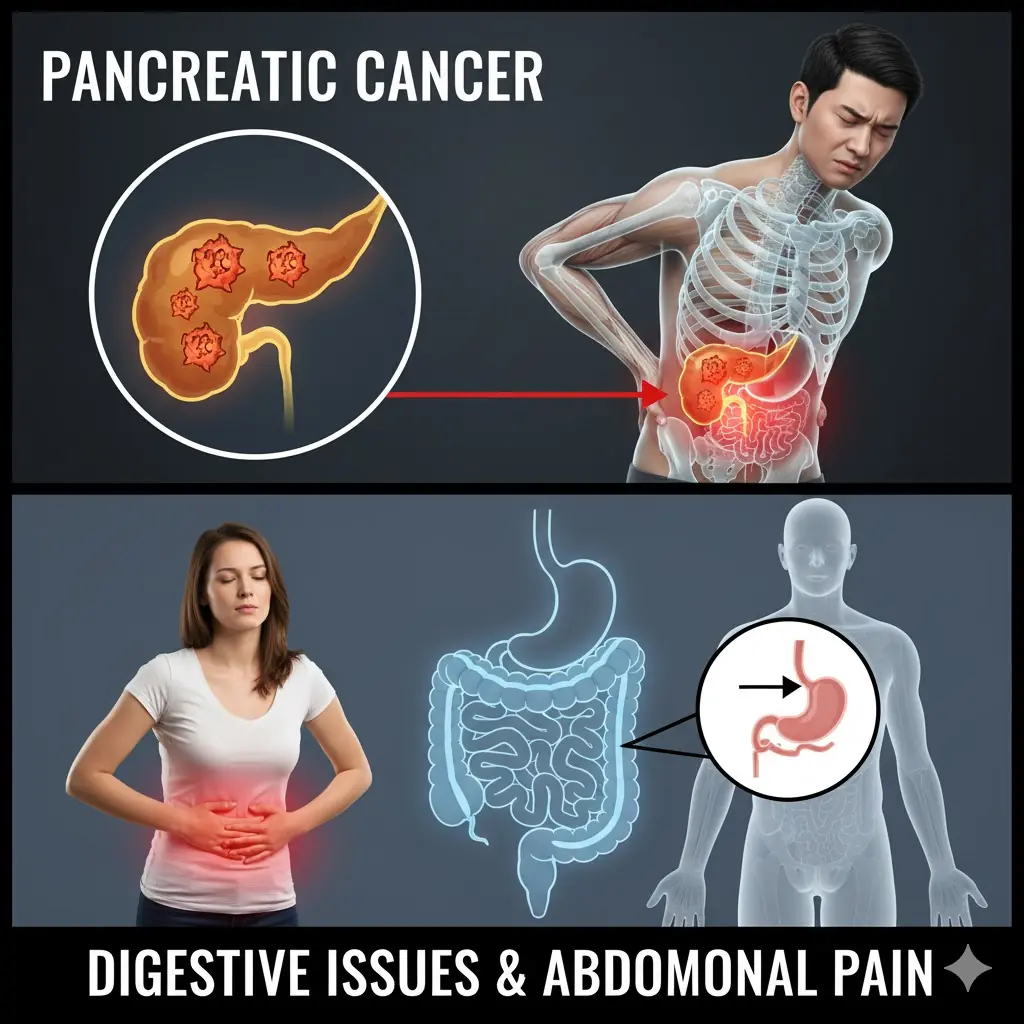
Frequent abdominal pain, cramping, or bloating
-
A constant feeling that the bowel does not empty completely
-
Unexplained weight loss
-
Chronic fatigue or anemia without an obvious cause
These symptoms do not necessarily mean cancer is present, but they should never be ignored—especially if they persist or worsen over time.
The Importance of Medical Evaluation and Screening
Medical evaluation plays a vital role in preventing and detecting colon cancer at an early stage. Regular screening can identify polyps or cancer before symptoms develop, allowing treatment to begin when it is most effective. Common screening methods include fecal occult blood tests, stool DNA tests, sigmoidoscopy, and colonoscopy.
According to major health organizations, adults at average risk should begin regular colorectal cancer screening around age 45, while individuals with a family history, inflammatory bowel disease, or other risk factors may need earlier or more frequent testing. Early diagnosis significantly improves survival rates and expands treatment options, often allowing for less invasive therapies. In many cases, removing precancerous polyps during screening can prevent cancer altogether.
A Preventable and Treatable Disease
The encouraging reality is that colon cancer is one of the most preventable forms of cancer. Lifestyle choices such as maintaining a healthy diet, engaging in regular physical activity, avoiding tobacco, and limiting alcohol consumption can reduce risk. Combined with timely screening and medical follow-up, these measures can save lives.
Who Is at Higher Risk for Colon Cancer?
Although colon cancer can affect anyone, certain factors increase the likelihood of developing the disease. Age remains one of the strongest risk factors, with most cases diagnosed in adults over 50, though rates among younger individuals have been rising in recent years. A family history of colorectal cancer or polyps, genetic conditions such as Lynch syndrome, and chronic inflammatory bowel diseases like ulcerative colitis or Crohn’s disease also significantly elevate risk.
Lifestyle factors play an important role as well. Diets high in red or processed meats, low fiber intake, physical inactivity, obesity, smoking, and excessive alcohol consumption have all been linked to an increased risk of colon cancer. Understanding these risk factors allows individuals and healthcare providers to make more informed decisions about prevention and screening.
The Role of Early Detection in Survival Rates
Early detection is one of the most powerful tools in reducing deaths from colon cancer. When the disease is diagnosed at an early, localized stage, the five-year survival rate is dramatically higher compared to advanced-stage cancer that has spread to other organs. Screening not only detects cancer early but can also prevent it entirely by identifying and removing precancerous polyps before they become malignant.
Despite the proven benefits of screening, many people delay or avoid testing due to fear, lack of awareness, or the absence of symptoms. Public health experts emphasize that waiting for symptoms can be dangerous, as colon cancer often progresses silently. Routine screening saves lives by catching disease before it becomes life-threatening.
Taking Action for Long-Term Health
Raising awareness about colon cancer symptoms, risk factors, and screening options is essential for protecting long-term health. Individuals are encouraged to discuss their personal risk and screening schedule with a healthcare professional and to seek medical evaluation promptly if warning signs appear. Small steps—such as adopting healthier eating habits, staying physically active, and attending regular checkups—can make a meaningful difference.
Colon cancer is not only treatable but often preventable. With informed choices, timely medical care, and early detection, countless lives can be saved each year.