Stop Throwing Away That Oil Cap
Tips 27/04/2026 11:34

To prepare delicious and healthy family meals, choosing fresh and high-quality pork is essential. Below are a few helpful tips and tricks that will make sure every piece of meat you buy is worth your money.
Pork is one of the most common ingredients in daily Vietnamese meals. From this single ingredient, you can create countless delicious dishes — boiled pork, caramelized pork, roasted pork, fried pork, and many more. Many families even prefer to buy pork in bulk and store it in the freezer to save time and effort on grocery shopping each day.
When shopping for pork, everyone hopes to pick the freshest and most flavorful cuts. But how can you tell which pieces are truly fresh and which are not? Let’s take a closer look at some practical tips below.
The first thing to notice when buying pork is its color. Freshly slaughtered pork usually has a bright pink or light red hue, with a natural sheen and slight moisture on the surface.
If the meat appears dark red, it could mean that it was not bled properly during slaughter, leaving clotted blood inside. In contrast, pork that has turned blackish or gray is a sign that the meat came from a dead or spoiled animal — avoid these pieces at all costs.
Color is one of the most reliable indicators of freshness. However, lighter-colored meat doesn’t always mean it’s bad. Pork that looks pale pink or slightly whitish can come from meat that has been frozen and thawed properly before sale. If it has been stored under the right conditions, this kind of pork still maintains its nutritional value and taste. You can safely use it for your daily dishes.
On the other hand, if the pork looks unnaturally pale, overly wet, or water is seeping from it, this might indicate that water has been injected into the meat to increase its weight. Such meat is not only less nutritious but also spoils more easily, as the excess moisture allows bacteria to grow faster.
Keep in mind that different cuts of pork naturally vary in color — for example, shoulder meat tends to be darker than loin meat. Don’t expect the color to be completely uniform across the entire pig.
Healthy pork skin should look clean, smooth, and white, with tiny red dots where hair follicles were removed. The fat layer underneath should be creamy white and firm.
If the pork skin shows dark purple or red patches, or if the fat appears yellowish or reddish, this may be a sign of disease or poor storage. Such meat should be avoided, as it could pose health risks.
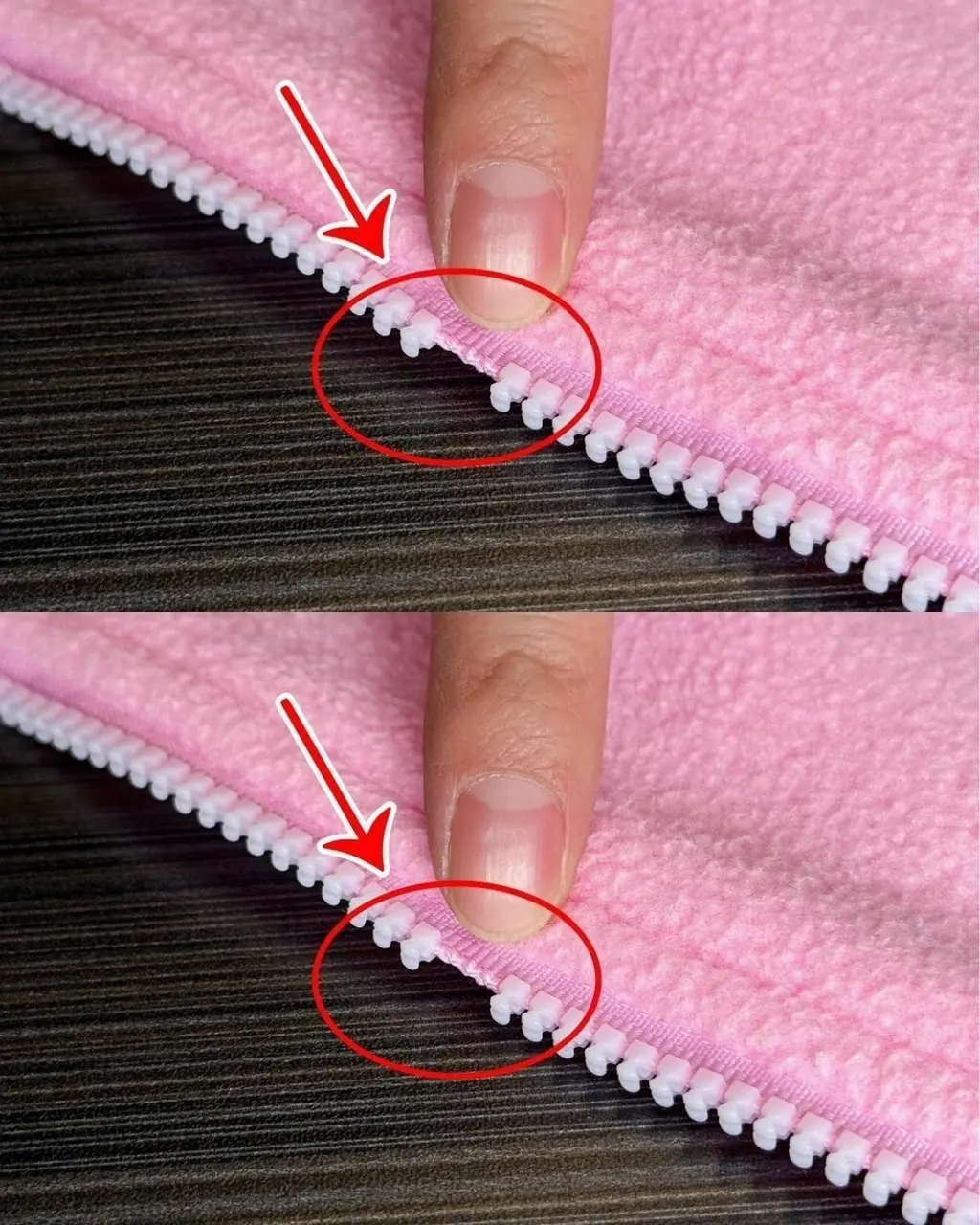
The elasticity test is a quick and effective way to check freshness. Simply press your fingertip into the pork and release it.
If the meat springs back immediately, it means it’s fresh and firm.
If your fingerprint stays indented and the meat feels mushy, it has likely been stored for too long or has started to spoil.
Never skip the smell test. Fresh pork should have a mild, natural scent, slightly metallic like raw meat. If it gives off any sour, musty, or fishy odors, that’s a clear sign the meat has gone bad or comes from a sick animal.
When in doubt, trust your senses — if it smells unpleasant, it’s best to walk away.
Buy from trusted butchers or markets where you can observe the hygiene and freshness of the meat daily.
If possible, shop early in the morning, as meat sold later in the day may have been left out for hours.
Avoid pre-packaged pork with excess liquid in the tray — it’s often a sign that the meat has been thawed and refrozen multiple times.
When storing pork at home, wrap it tightly and keep it in the coldest section of your refrigerator or freezer to retain freshness longer.
Choosing fresh pork might seem simple, but paying attention to these small details can make a huge difference in the quality of your meals and your family’s health. A little observation — the color, smell, texture, and even the look of the skin — can help you confidently bring home the freshest meat every time you shop.