Bacon crackles in a skillet on a quiet Sunday morning. Ham is tucked neatly between slices of bread in a school lunchbox. Hot dogs spin endlessly on heated rollers at crowded baseball stadiums. For decades, these foods have felt ordinary and reassuring—fixtures of daily life rather than sources of concern. Salami, pepperoni, sausages, and cured meats have long been treated as harmless indulgences, rarely questioned and deeply woven into cultural traditions around the world.
That sense of comfort began to shift when scientists took a closer look at what happens behind the scenes—inside the body—after these foods are consumed. A landmark scientific evaluation, built on years of research and hundreds of studies conducted across multiple continents, challenged long-standing assumptions about processed and red meats. The resulting classification forced both consumers and the food industry to confront an uncomfortable reality: foods many people eat every day may carry measurable cancer risks.
This story is not about panic or prohibition. It is about chemistry, probability, and the difficult choices that arise when scientific evidence collides with habit and tradition.
A Classification That Reshaped the Conversation
Officials from the World Health Organization made an announcement that reverberated through grocery stores, restaurant menus, and headlines worldwide. Processed meats were officially placed in Group 1 by the International Agency for Research on Cancer (IARC). In scientific terms, Group 1 indicates that there is strong and convincing evidence that a substance causes cancer in humans.
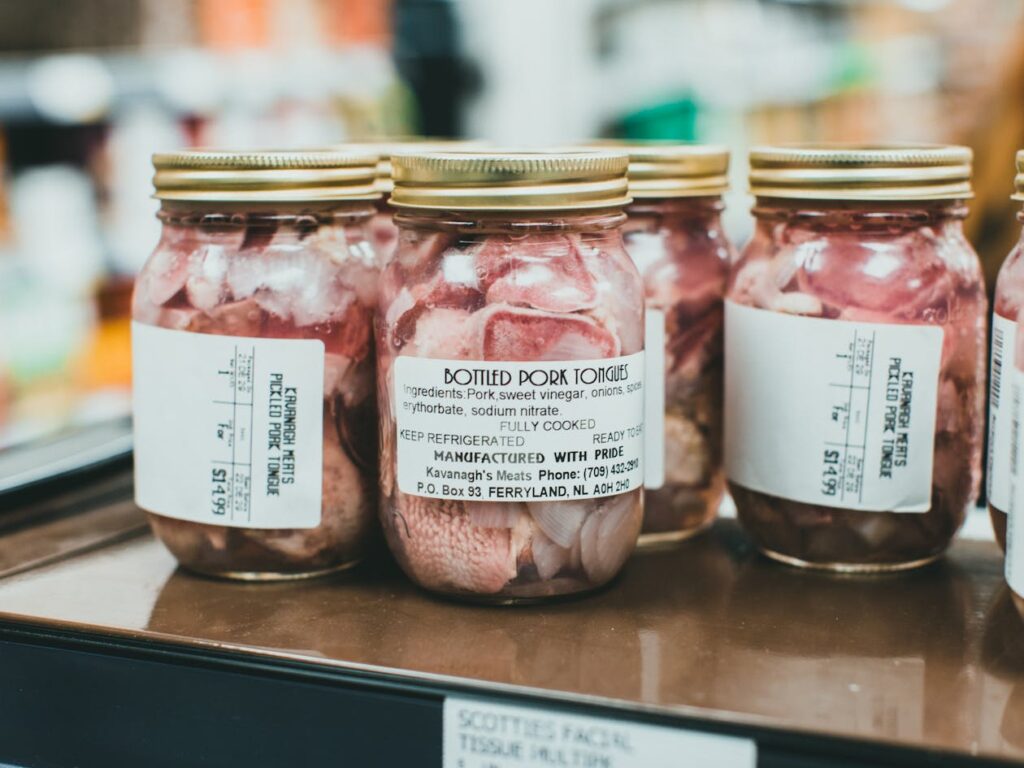
This category includes bacon, ham, hot dogs, sausages, salami, corned beef, biltong, beef jerky, and canned meats. Any meat preserved through curing, salting, fermentation, smoking, or similar methods falls under this definition. While most processed meats are made from pork or beef, poultry-based products and organ meats are also included.
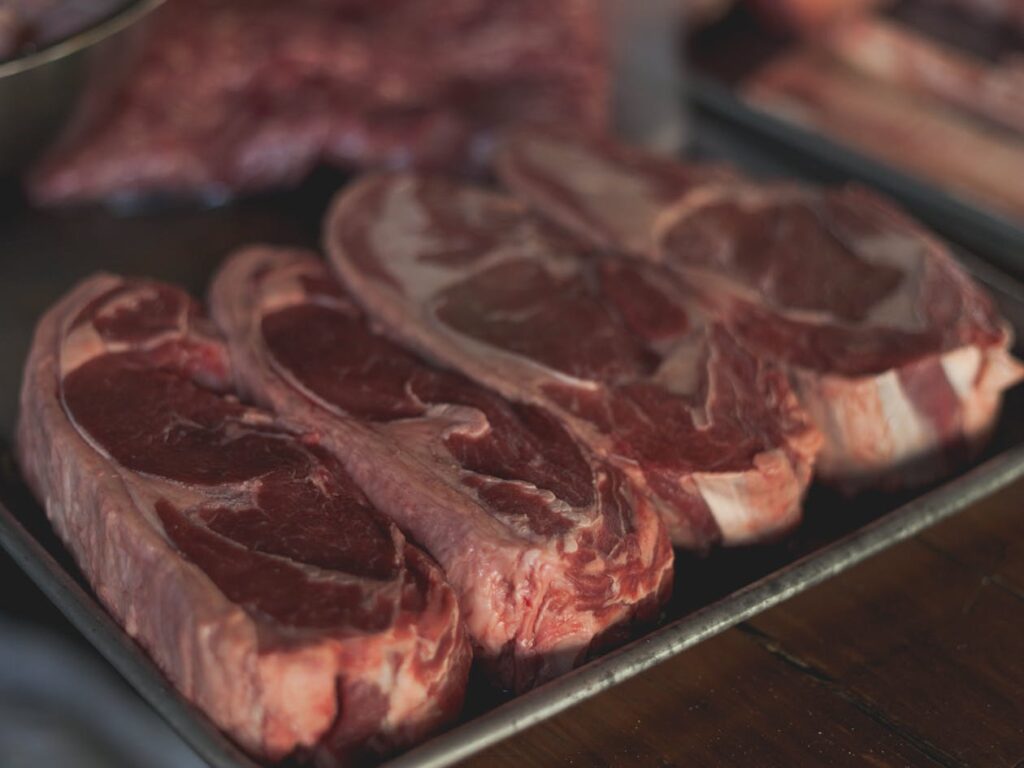
Red meat—such as beef, veal, pork, lamb, mutton, goat, and horse—received a separate classification: Group 2A, meaning it is “probably carcinogenic to humans.” Evidence here is more limited but consistent enough to raise concern, particularly regarding colorectal cancer.
The decision was not sudden. An international advisory committee had already identified red and processed meats as high-priority topics for evaluation in 2014. As meat consumption continues to rise globally, especially in low- and middle-income countries, even modest increases in individual risk can translate into substantial public health consequences.
Same Category, Different Levels of Risk
Seeing processed meat placed in the same category as tobacco smoke and asbestos naturally raised alarm. Does this mean eating bacon is as dangerous as smoking cigarettes?
The answer lies in a crucial distinction that headlines often overlook. IARC classifications reflect the strength of the evidence, not the size of the risk. In other words, scientists are equally confident that processed meat causes cancer as they are that tobacco does—but the magnitude of harm is very different.
Estimates suggest that diets high in processed meat contribute to approximately 34,000 cancer-related deaths per year worldwide. By comparison, tobacco smoking causes around eight million deaths annually, alcohol contributes roughly 600,000, and air pollution more than 200,000. If red meat were conclusively proven to cause cancer, projections suggest it could account for about 50,000 deaths per year, though this remains hypothetical.
What Happens Inside the Body
To understand why these foods raise concern, it helps to look at digestion. Red meat contains haem, the compound responsible for its red color. During digestion, haem can contribute to the formation of N-nitroso compounds, which have been shown to damage cells lining the bowel. Over time, repeated cellular damage can increase cancer risk.
Processed meats pose an added challenge. In addition to haem-related reactions, curing agents such as nitrites and nitrates can generate additional N-nitroso compounds. This means that a single serving of processed meat may expose the body to multiple cancer-related chemical processes simultaneously.
Cooking methods can further complicate matters. High-temperature techniques like barbecuing, grilling over open flames, or pan-frying can create polycyclic aromatic hydrocarbons and heterocyclic aromatic amines, both of which are known carcinogens. While evidence linking cooking methods directly to cancer risk is not yet conclusive, researchers consider these compounds worthy of caution.
Turning Risk Into Numbers
Risk becomes easier to grasp when expressed in measurable terms. Research shows that every 50 grams of processed meat consumed daily—roughly two slices of bacon or one hot dog—increases the risk of colorectal cancer by about 18 percent.
Red meat follows a similar pattern. Consuming more than 700 grams of raw red meat per week is associated with increased bowel cancer risk. If the link proves causal, data suggest that each additional 100 grams per day could raise risk by approximately 17 percent.
Importantly, these risks accumulate gradually. Smaller portions lead to smaller increases, while frequent, large servings carry greater impact. Studies consistently show a dose–response relationship, meaning risk rises predictably with increased consumption.
What Health Organizations Advise
Cancer Council guidelines recommend limiting red meat to one serving per day, or two servings three to four times per week. One serving equals 90–100 grams raw or about 65 grams cooked—roughly half a cup of mince, two small chops, or two slices of roast meat.
For processed meat, the advice is clearer: avoid it when possible, or consume it only rarely. Bacon, ham, frankfurts, devon, chorizo, cabanossi, and similar products fall squarely into this category.
While IARC itself does not issue dietary guidelines, its findings inform national health policies. Even before the Group 1 classification, the WHO had advised moderating processed meat intake as early as 2002 to reduce colorectal cancer risk.

Building Meals Without Processed Meat
Eliminating processed meat does not mean sacrificing protein or enjoyment. One serving of red meat can be replaced with 80 grams of cooked chicken or turkey, 100 grams of fish, two eggs, one cup of legumes, 30 grams of nuts, or 170 grams of tofu.
Simple substitutions make a difference. Pizza topped with vegetables and chicken instead of pepperoni, fish meals a few times per week, tofu stir-fries, lentil stews, or falafel wraps all provide satisfying alternatives. Well-planned vegetarian diets can meet nutritional needs, though attention should be paid to nutrients such as vitamin B12, iron, zinc, calcium, and omega-3 fatty acids.
Choices in the Face of Evidence
Governments have not banned processed meats, and no one is forced to change their diet. What has changed is awareness. Scientific evidence now allows consumers to make informed choices that previous generations could not.
Some people will cut processed meat entirely. Others will reduce portions or reserve these foods for special occasions. Many will strike a balance, accepting small risks while avoiding excessive exposure.
The bacon still sizzles, the ham still fills sandwiches, and hot dogs still spin at stadiums. But the conversation has shifted. With clearer evidence and better understanding, the question is no longer whether information exists—but how individuals choose to act on it.