11 dishes you should never cook in an air fryer; don't try it or you'll regret it.
Tips 14/01/2026 22:28
As winter approaches, many households start turning up the heat to stay comfortable. But here’s the problem: setting your thermostat incorrectly can quickly lead to expensive energy bills—and your home still might not feel as cozy as you’d expect.
The good news? You don’t need to suffer through the cold to save money. With a few simple thermostat adjustments (and a couple of smart home tips), you can keep your home warm, protect your heating system, and cut unnecessary costs.
Below is a practical guide to setting your thermostat the right way this winter.
Thermostat settings directly affect both your comfort and your energy use. According to the U.S. Department of Energy, lowering your thermostat by even one degree for eight hours can reduce heating costs by about 1%.
This adds up quickly during the winter months—especially in colder regions where your heating system runs for long periods each day.
Beyond saving money, correct settings also reduce strain on your heating system. That means fewer breakdowns, lower maintenance costs, and a longer system lifespan.
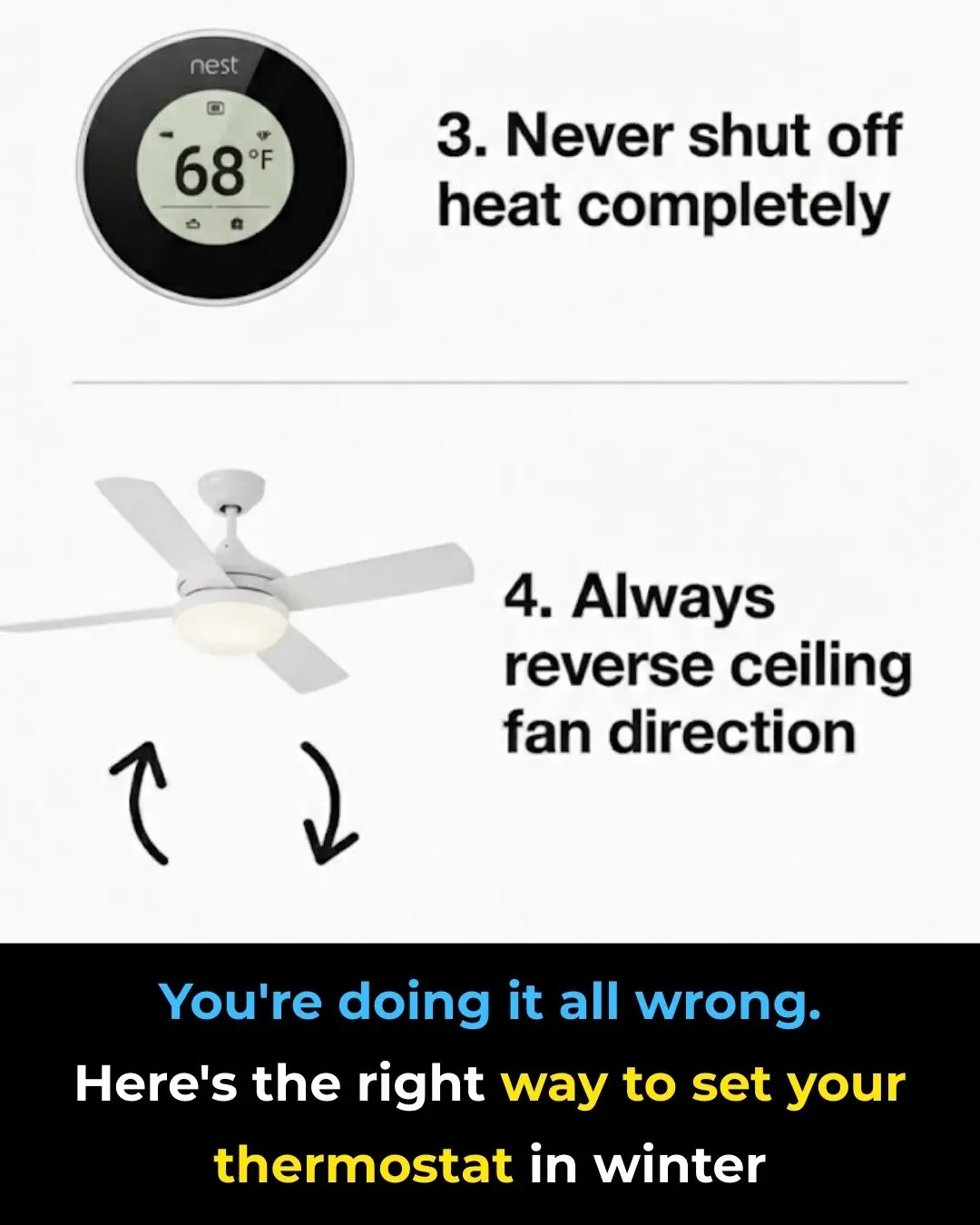
For most homes, the ideal daytime setting is 68°F. It’s warm enough to stay comfortable while you’re moving around the house, but not so high that your heating system has to work overtime.
If 68°F feels slightly cool, try these small changes instead of increasing the thermostat:
Wear warmer indoor clothing (hoodies, thick socks)
Use area rugs to reduce floor chill
Seal drafts near doors and windows
Keeping the temperature stable and moderate is often the best energy-saving strategy.
At night, lower your thermostat to around 62°F. This is not only a money-saving move—it’s also better for sleep.
A cooler room supports your body’s natural temperature drop during sleep, which can lead to:
Deeper sleep
Less waking up at night
Better overall rest
If you have a programmable thermostat, set it to drop automatically at bedtime and warm back up shortly before you wake up.
If you feel cold at night, turning up the thermostat isn’t the most efficient solution. You’re essentially heating the entire house just to warm your body.
Instead, try:
Layering blankets (fleece and wool hold heat well)
Using thicker comforters during the coldest weeks
An electric blanket can also be useful. It warms you directly and usually costs far less than heating the whole house—just remember to turn it off or set it low once you’re warm.
It may sound like a great way to save money, but switching the heat off completely often backfires.
If indoor temperatures drop too low:
Your heating system must work much harder later
Your energy usage can spike during re-heating
Pipes are at risk of freezing in very cold climates
A smarter approach is to keep your thermostat at a low but steady baseline temperature when you’re away—enough to prevent freezing and reduce the stress of reheating.
Ceiling fans can help in winter too. Warm air rises—meaning heat collects near the ceiling and doesn’t always reach where people actually sit.
Switch your fan to clockwise rotation on a low speed. This pushes warm air down gently and improves circulation.
Benefits include:
Rooms feel warmer without raising the thermostat
Less uneven temperature between ceiling and floor
Better overall comfort
Most ceiling fans have a small switch on the fan body to change direction.
Heating is one of the biggest energy costs for most households. The U.S. Energy Information Administration reports that heating accounts for roughly 42% of home energy consumption.
That’s why thermostat habits matter so much.
For example, reducing your thermostat by 10°F for eight hours per day can save up to 10% per year on heating expenses.
A few degrees may not sound dramatic—but financially, the difference can be huge over an entire season.
Thermostat settings impact more than comfort and energy costs—they also influence humidity and air quality.
If your home is too warm in winter:
Air becomes overly dry
Skin becomes itchy or flaky
Sinus irritation and sore throats become more common
If it’s too cold:
Dampness can build up
Mold becomes more likely
Air quality may worsen
The goal is balance. In many homes, combining moderate thermostat settings with a humidifier creates the best indoor environment during winter.
Modern thermostats can dramatically improve efficiency. Smart models like Nest and Ecobee can:
Learn your habits
Automatically adjust temperature schedules
Let you control heating from your phone
Provide energy usage reports
This takes the guesswork out of managing comfort and makes it easier to reduce waste—especially if you forget to adjust the thermostat regularly.
Even small mistakes can increase your heating bill. Here are the biggest ones:
Heating systems warm at a steady rate. A higher setting just causes overheating later—wasting energy.
Heating an empty home is one of the biggest reasons winter bills jump.
Lamps, electronics, or sunlight near the thermostat can cause false readings, making the system run longer than needed.
Thermostat adjustments work best when your home holds onto heat.
Try these comfort-boosting strategies:
Seal window and door drafts
Add weatherstripping
Keep curtains closed at night
Schedule heating system maintenance
Ensure thermostat placement is accurate (not near drafts or heat sources)
If your home is large, consider zone heating. Heating only the rooms you use can make a big difference in energy costs.
The best thermostat setting for winter isn’t about choosing the warmest number—it’s about finding the right balance between comfort and efficiency.
A simple routine like this can help:
Daytime: 68°F
Night: 62°F
Away: low and steady (not off)
With smart adjustments, better circulation, and a few cozy hacks, you can stay warm all winter—without shocking energy bills.