These 7 popular fish are slowly poisoning you (eat this instead)
Health 11/12/2025 11:29
12 Foods That Protect the Heart in Surprising Ways
Maintaining a healthy heart requires more than just exercise and medication; what you eat plays a significant role in ensuring cardiovascular well-being. Certain foods, when consumed regularly, can protect the heart in various surprising ways. From improving blood flow to reducing inflammation, these heart-friendly foods can contribute to long-term heart health. Below is a list of twelve heart-protective foods, each offering unique benefits.
Dark Chocolate (70%+)
Dark chocolate, particularly varieties with at least 70% cocoa content, is packed with flavonoids, a type of antioxidant. These flavonoids are known to enhance blood vessel flexibility, which is essential for maintaining smooth blood circulation. Some studies suggest that dark chocolate may even lower blood pressure by 2-3 points in certain individuals, reducing the risk of hypertension (source: American Heart Association).
Walnuts
Walnuts are an excellent source of omega-3 fatty acids, which are known for their anti-inflammatory properties. Regular consumption of walnuts has been linked to a reduction in LDL (bad) cholesterol oxidation, a key factor in the buildup of plaque in the arteries. This helps prevent the development of atherosclerosis, a condition that can lead to heart disease (source: Journal of Nutrition).
Berries
Blueberries, strawberries, and other berries are loaded with antioxidants, which have been shown to improve endothelial function. This function is critical in maintaining healthy blood vessels and supporting smooth blood flow. Studies have shown that regular consumption of berries can help improve circulation, reduce inflammation, and even lower blood pressure (source: Harvard T.H. Chan School of Public Health).
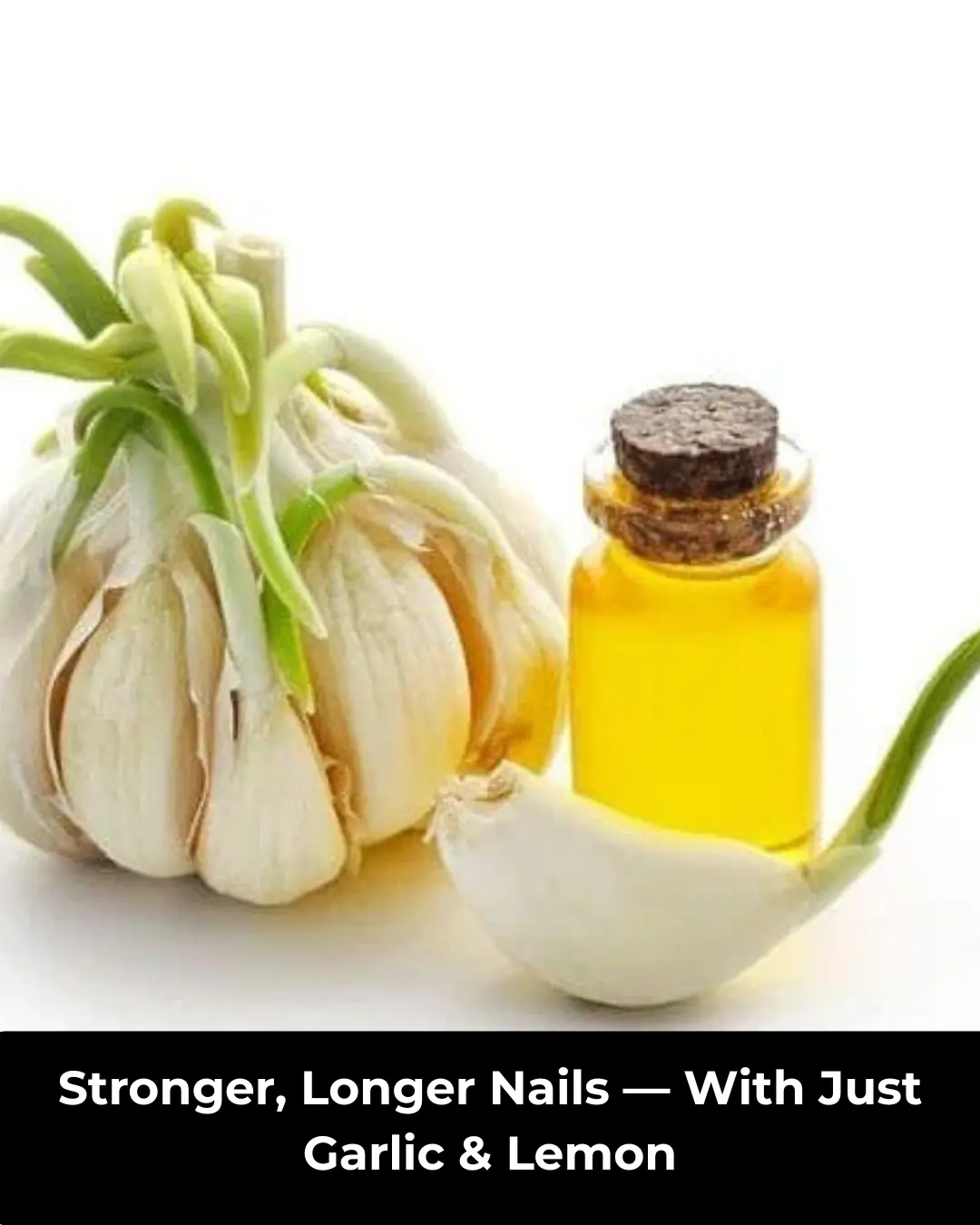
Garlic
Garlic has been used for centuries not only as a flavor enhancer but also for its medicinal properties. Research suggests that garlic naturally helps widen blood vessels, reducing arterial stiffness by up to 10%. Regular consumption of garlic has been shown to improve cardiovascular health by lowering blood pressure and reducing the risk of heart disease (source: National Institutes of Health).
Olive Oil
Olive oil, particularly extra virgin olive oil, is rich in polyphenols, which are potent antioxidants. These compounds protect the arteries from oxidative stress, a major factor contributing to cardiovascular disease. Olive oil also supports healthy cholesterol patterns by increasing HDL (good) cholesterol levels while reducing LDL cholesterol, making it a staple in heart-healthy diets like the Mediterranean diet (source: American Heart Association).
Avocado
Avocados are an excellent source of healthy fats, particularly monounsaturated fats, which help balance cholesterol levels. In addition to supporting heart health by maintaining optimal cholesterol, avocados are rich in potassium, which is essential for regulating blood pressure and ensuring a healthy heart rhythm. This combination makes avocados a valuable food for cardiovascular protection (source: Mayo Clinic).
Flaxseeds
Flaxseeds are an excellent source of omega-3 fatty acids and lignans, both of which have been shown to reduce inflammatory markers associated with heart disease. Flaxseeds help lower blood pressure and improve cholesterol levels, contributing to overall cardiovascular health. Their high fiber content also supports heart health by helping to regulate blood sugar levels and improve circulation (source: American Journal of Clinical Nutrition).
Beets
Beets are rich in natural nitrates, which are converted in the body into nitric oxide, a compound that helps relax and dilate blood vessels. This improves circulation and helps lower blood pressure. Consuming beets regularly has been linked to enhanced cardiovascular health due to their ability to improve blood flow and decrease the risk of hypertension (source: British Journal of Nutrition).
Green Tea
Green tea contains catechins, a type of antioxidant that has been shown to improve the elasticity of blood vessels. By supporting healthy blood flow, green tea can help reduce the risk of cardiovascular diseases. In addition, green tea has been shown to help improve cholesterol profiles by increasing the levels of HDL (good) cholesterol while lowering LDL (bad) cholesterol (source: National Institutes of Health).
Lentils
Lentils are a heart-healthy food due to their high fiber content and low glycemic index. They help regulate blood sugar levels and reduce the risk of developing heart disease. Long-term studies have shown that consuming lentils regularly is associated with a 15-20% reduction in cardiovascular risk. They are also rich in plant-based protein, which is beneficial for heart health (source: American Journal of Clinical Nutrition).
Pomegranate
Pomegranate is packed with antioxidants, particularly polyphenols, which help protect the artery walls from oxidative stress. By reducing oxidative damage, pomegranates help prevent the formation of plaque in the arteries, which is a major contributor to cardiovascular disease. Regular consumption of pomegranate has been shown to support heart health by improving blood flow and reducing inflammation (source: Journal of Nutritional Biochemistry).
Seaweed
Seaweed is a nutrient-dense food that is rich in iodine, magnesium, and unique antioxidants. These nutrients help regulate heart rhythm and support overall cardiovascular health. Seaweed's high antioxidant content helps protect blood vessels from oxidative stress, improving circulation and lowering the risk of heart disease. Seaweed is also a natural source of fiber, which can help maintain healthy cholesterol levels (source: International Journal of Food Sciences and Nutrition).
In conclusion, the foods mentioned above offer powerful, natural ways to protect the heart. By incorporating these heart-healthy foods into your daily diet, you can take active steps to reduce your risk of cardiovascular disease, improve blood circulation, and maintain overall heart health. These foods provide a variety of essential nutrients, including antioxidants, healthy fats, and fiber, that work synergistically to support cardiovascular well-being.
Sources
American Heart Association
Journal of Nutrition
Harvard T.H. Chan School of Public Health
National Institutes of Health
Mayo Clinic
American Journal of Clinical Nutrition
British Journal of Nutrition
National Institutes of Health
Journal of Nutritional Biochemistry
International Journal of Food Sciences and Nutrition