Tuberculosis (TB) remains one of the world’s most persistent infectious diseases. Despite modern medicine, TB continues to spread quietly because early symptoms often look harmless — or are mistaken for common respiratory issues.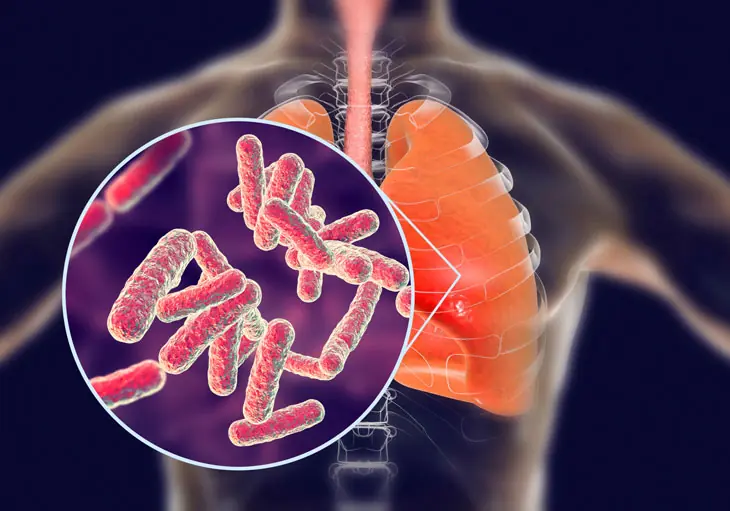
What Causes Tuberculosis?
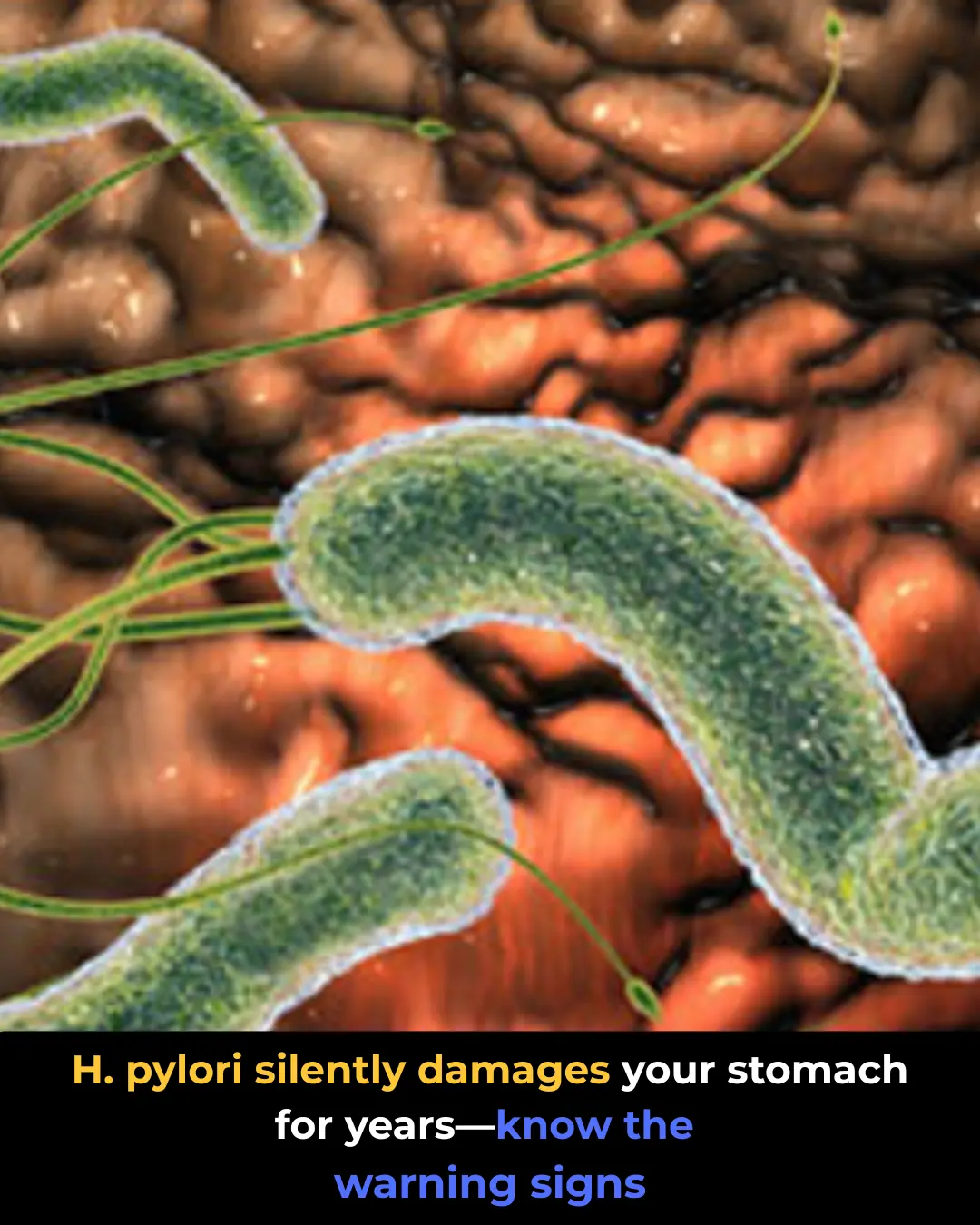
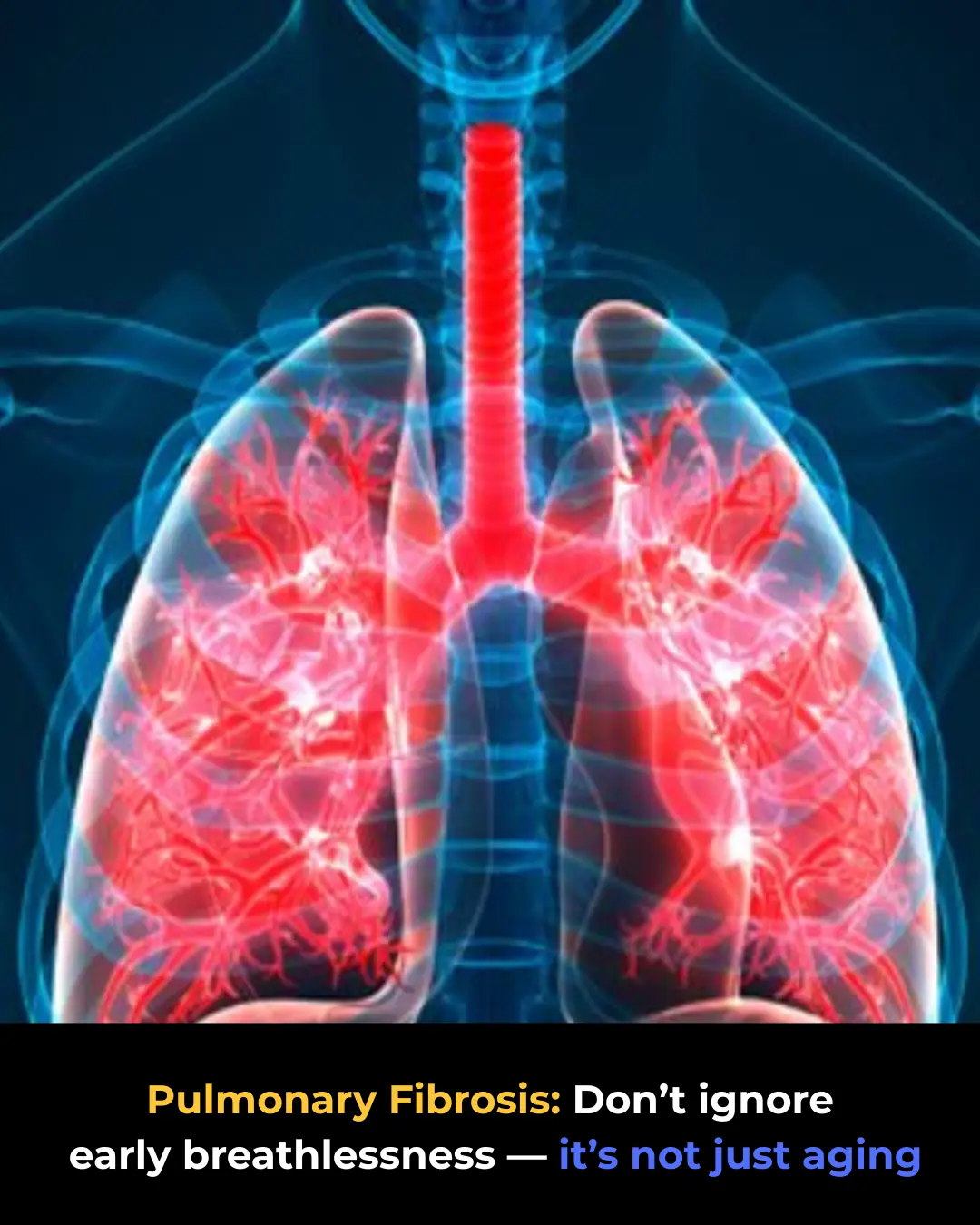
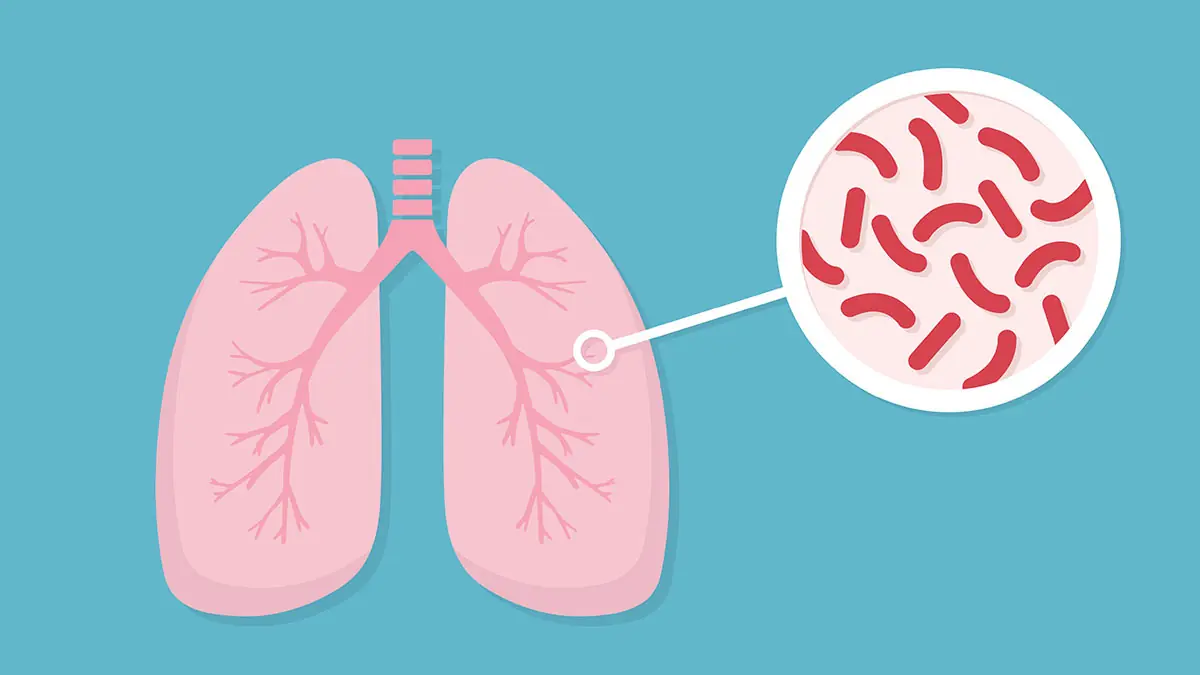
TB is caused by Mycobacterium tuberculosis, a slow-growing bacteria that primarily targets the lungs but can also affect the spine, kidneys, lymph nodes, and brain.
It spreads through airborne droplets from coughing, sneezing, or speaking.
Early Symptoms to Watch For
1. Chronic Cough (More Than 3 Weeks)
Often dry at first, later becoming productive or even bloody.
2. Fever in the Late Afternoon or Evening
A classic TB pattern.
3. Night Sweats
Waking up drenched is a major red flag.
4. Unexplained Fatigue
People feel drained, even after resting.
5. Weight Loss and Poor Appetite
A signature sign of active TB.
6. Chest Pain
Usually worsens with deep breathing.
How TB Is Diagnosed
-
Chest X-ray
-
Sputum test
-
GeneXpert molecular testing (fast and accurate)
-
TB skin test or blood test (IGRA)
Early testing is crucial to prevent spreading it to family and community.
Treatment Options
TB is curable but requires strict adherence to medication for 6–9 months.
Standard Treatment
A combination of:
-
isoniazid
-
rifampin
-
ethambutol
-
pyrazinamide
Drug-Resistant TB
Some strains require second-line antibiotics and longer treatment.
Supportive Care
-
Nutrition-rich diet
-
Avoid smoking
-
Good ventilation
-
Mask-wearing during treatment
When to Seek Medical Care
If you have a cough lasting more than 3 weeks, unexplained fever, or night sweats, get tested immediately — TB spreads silently long before symptoms worsen.