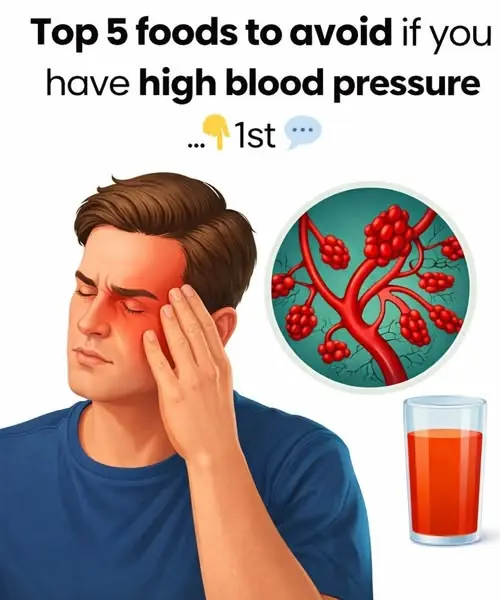
Foods That Can Quietly Raise Your Blood Pressure
Health 24/04/2026 21:07
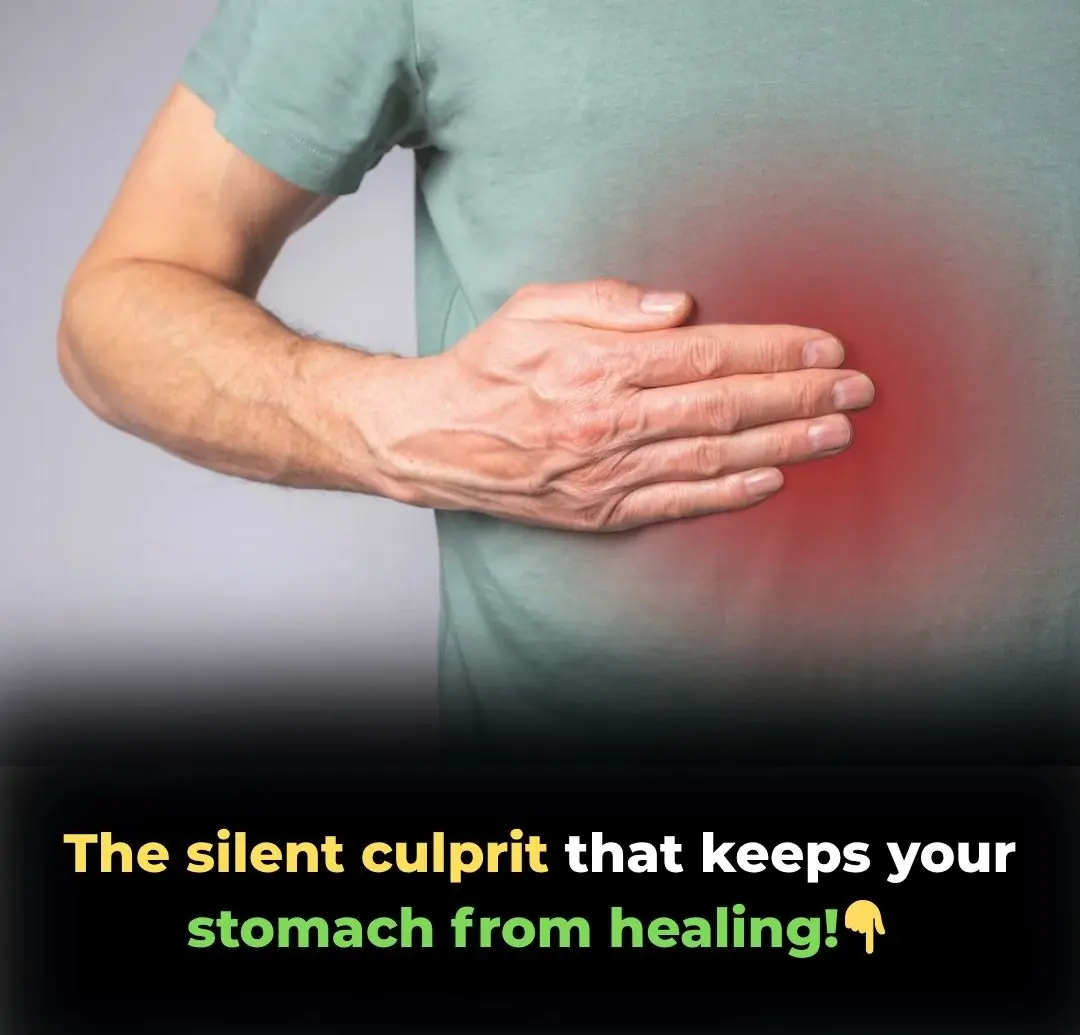
Gastrointestinal (GI) bleeding is not a disease itself but a warning sign that something in the digestive system is seriously wrong. Because symptoms can range from mild to life-threatening, understanding the causes and red-flag warning signs can help you detect problems early and seek medical care before complications arise.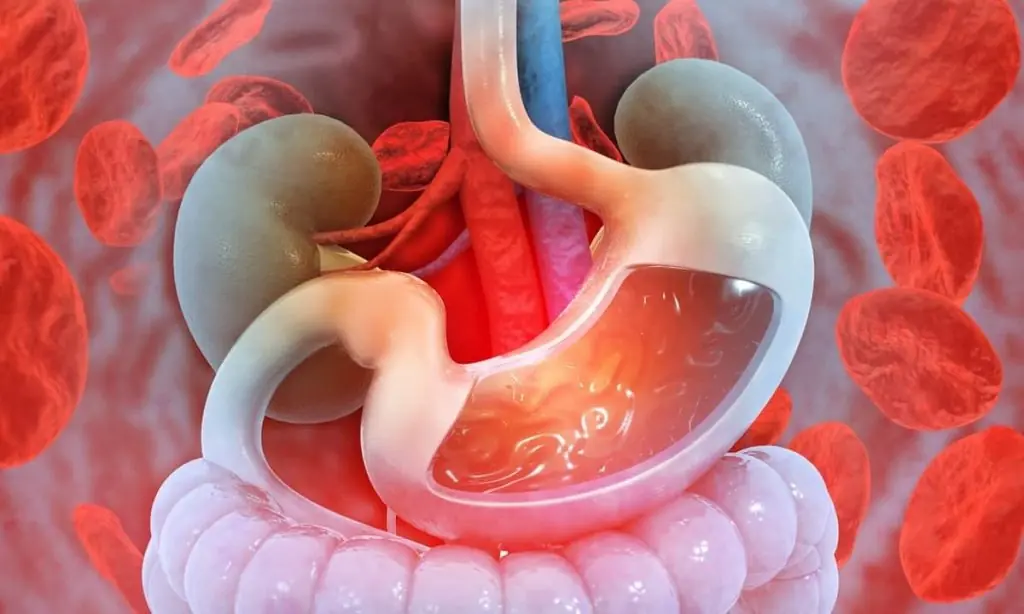
Gastrointestinal bleeding refers to any bleeding that occurs in the digestive tract—from the esophagus and stomach down to the intestines, rectum, and anus. Bleeding may be visible (such as vomiting blood or noticing blood in stool) or hidden, detectable only through tests.
Doctors usually classify GI bleeding into:
Upper GI bleeding – bleeding from the esophagus, stomach, or duodenum
Lower GI bleeding – bleeding from the colon, rectum, or small intestine
Both types can be dangerous, but upper GI bleeding tends to be more urgent.
This is the leading cause of upper GI bleeding. Ulcers develop when stomach acid damages the lining of the stomach or duodenum.
Key triggers include:
H. pylori infection
Long-term NSAID use (ibuprofen, aspirin)
Excess alcohol
Smoking
Ulcers can erode blood vessels, causing slow or severe bleeding.
Inflammation caused by alcohol, acidic foods, stress, medications, or infection can irritate the stomach or esophagus lining and cause bleeding.
Dilated veins in the rectum or anus cause bright red blood during bowel movements. While common and usually mild, chronic bleeding can lead to anemia.
Small pouches in the colon wall can rupture and bleed suddenly, causing painless but heavy bleeding.
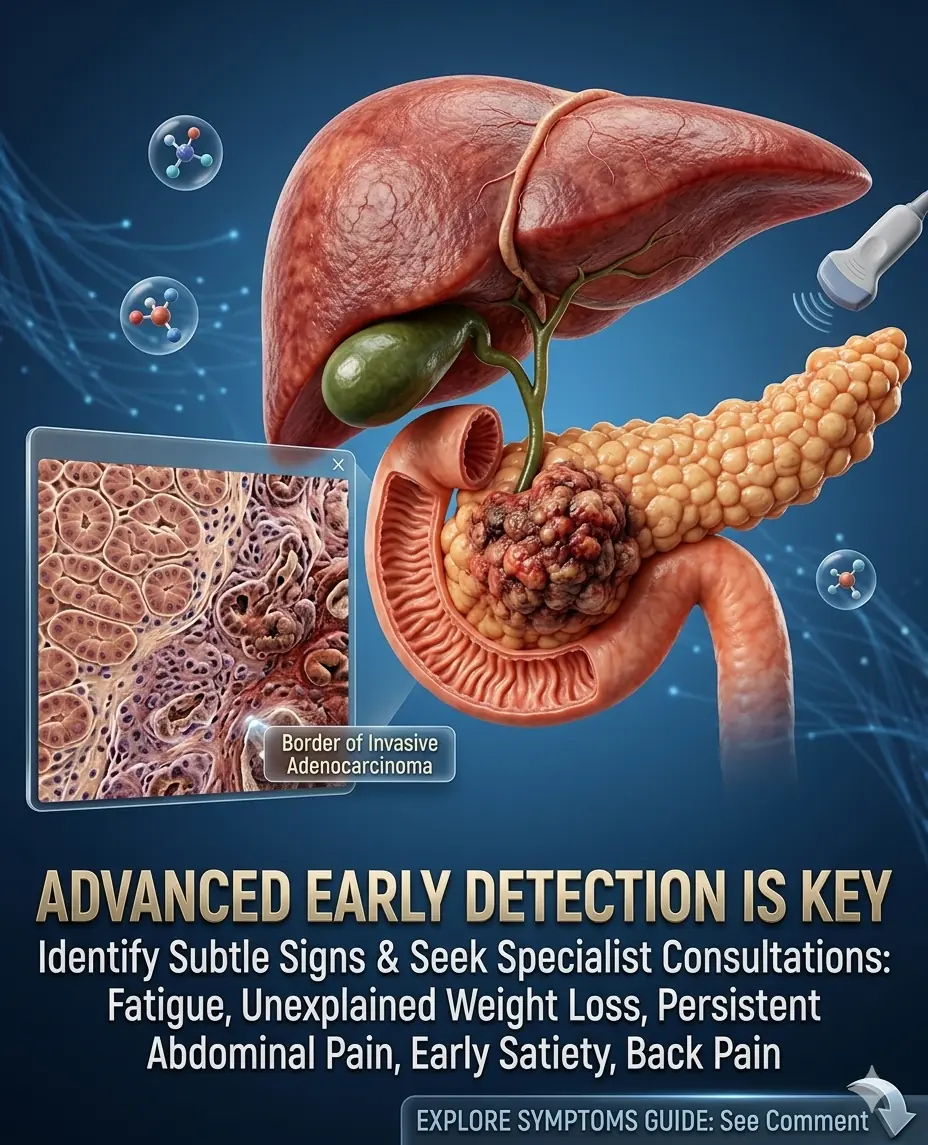
These growths may bleed slowly over time. Because bleeding is often hidden, cancer can go undetected for years without screening.
Conditions like Crohn’s disease and ulcerative colitis cause chronic inflammation and frequent bleeding.
These enlarged veins, common in people with liver disease, can rupture suddenly, causing life-threatening bleeding.
Accidents, sharp foods, or injuries can damage the GI tract lining.
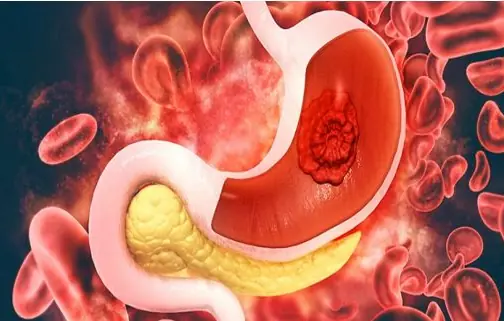
Blood may appear bright red or look like coffee grounds. This is a medical emergency, often caused by ulcers, varices, or severe gastritis.
Black stool suggests digested blood from upper GI bleeding. It must be evaluated immediately.
This usually indicates lower GI bleeding from hemorrhoids, diverticulosis, or colon disease. Large amounts require urgent care.
Pain with bleeding can signal ulcers, bowel inflammation, or even internal rupture.
Slow internal bleeding can lead to chronic anemia, causing fatigue, paleness, dizziness, and rapid heartbeat.
This means severe blood loss and requires immediate medical intervention.
Check hemoglobin levels to determine the extent of blood loss.
A camera is inserted through the mouth to find bleeding in the upper GI tract.
Used for bleeding in the colon or rectum.
Helpful when standard tests fail to identify the cause.
Proton pump inhibitors (PPIs) for ulcers
Antibiotics for H. pylori
Anti-inflammatory medications for IBD
Doctors may burn, clip, or inject medication directly into bleeding vessels.
Required for severe blood loss.
For life-threatening bleeding or cancer.
Go to the ER immediately if you experience:
Vomiting blood
Black stool
Heavy rectal bleeding
Severe abdominal pain
Fainting or shock symptoms
Even mild bleeding should be evaluated to rule out serious conditions.
Limit alcohol and spicy foods
Avoid long-term NSAID use
Manage stress
Treat H. pylori promptly
Get regular colonoscopies
Maintain a high-fiber diet
Early detection can save your life.