THE MOST POTENT HERB THAT DESTROYS PARASITES, URINARY TRACT …
Health 30/06/2026 21:03
Pulmonary fibrosis (PF) is a chronic and progressive lung disease in which lung tissue becomes scarred, stiff, and unable to perform normal gas exchange. Early diagnosis is crucial because many symptoms appear slowly and are often mistaken for aging, fatigue, or mild respiratory infections.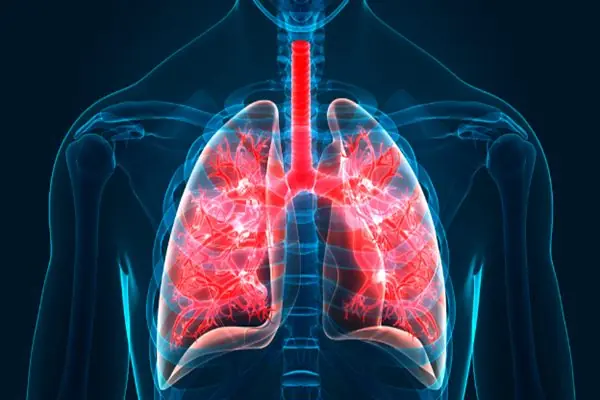
PF occurs when tiny air sacs in the lungs (alveoli) become inflamed and eventually replaced by thick scar tissue. This leads to reduced oxygen levels in the bloodstream and difficulty breathing.
Although some cases are linked to autoimmune disorders, infections, long-term exposure to pollutants, or certain medications, many cases are classified as idiopathic pulmonary fibrosis (IPF), meaning the cause is unknown.
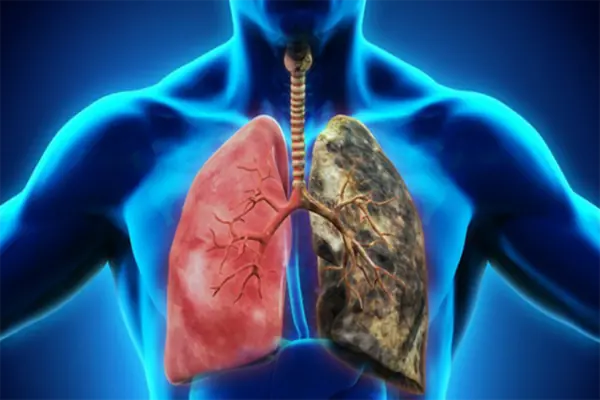
The most common early sign. It starts subtly — during climbing stairs or brisk walking — and gradually becomes noticeable even at rest.
A chronic dry cough lasting months is a classic symptom. Many people ignore it, assuming allergies or common infections.
Due to reduced oxygen, individuals tire easily and may experience dizziness or weakness.
Swollen fingertips with curved nails often develop in more advanced stages but can appear earlier than expected.
A sign the body is working harder to get oxygen.
High-resolution CT scan (HRCT) – most accurate imaging tool
Pulmonary function test – measures oxygen capacity
Blood tests – identifies autoimmune causes
Lung biopsy – sometimes necessary
Early testing greatly improves treatment options.
There is no complete cure, but treatments slow scarring and improve quality of life.
Nintedanib and pirfenidone slow disease progression.
Helps reduce fatigue, dizziness, and breathlessness.
Structured exercise and breathing training to improve stamina.
Avoid smoking
Maintain healthy weight
Practice breathing exercises
For eligible patients with severe disease.
If you experience persistent breathlessness, chronic dry cough, or fatigue not explained by lifestyle changes, early evaluation is key to managing PF before it becomes advanced.