Cloves to Eliminate Nail Fungus Naturally
Health 11/12/2025 01:19
Helicobacter pylori—commonly known as H. pylori—is one of the most widespread infections in the world. Nearly half of the global population carries this bacterium, yet most people don’t even know they have it. While it can remain silent for years, H. pylori is a major cause of chronic gastritis, stomach ulcers, and even stomach cancer if left untreated. Understanding its symptoms and how it affects the stomach is essential for early diagnosis and long-term digestive health.
H. pylori is a spiral-shaped bacterium that lives deep in the mucus layer lining the stomach. Unlike most bacteria that are destroyed by stomach acid, H. pylori is uniquely adapted to survive in harsh acidic environments. It can remain in the stomach for decades, gradually damaging the protective lining.
This bacterium spreads mostly through:
Contaminated food or water
Sharing eating utensils
Poor hygiene conditions
Close contact within families
Because symptoms can be vague or intermittent, many people do not suspect an infection until major complications occur.
H. pylori weakens the stomach’s protective mucus layer, allowing acid to irritate the tissue beneath. This leads to chronic inflammation, also known as gastritis. Over time, the stomach lining becomes thin and sensitive.
H. pylori increases acid production and disrupts natural healing processes. About 70–90% of peptic ulcers are linked to H. pylori. Ulcers can bleed, cause severe pain, and lead to perforation in advanced cases.
Long-term inflammation caused by H. pylori increases the risk of gastric cancer, especially in people with a family history of cancer or chronic gastritis.
Inflammation disrupts stomach function, slowing digestion and causing bloating, fullness, and nausea after meals.

Symptoms vary widely from person to person. Some experience intense discomfort, while others have no symptoms at all.
This is the most common symptom. Pain often occurs:
On an empty stomach
At night
Between meals
The discomfort can come and go.
Inflammation disrupts digestion, causing gas buildup.
Many people feel queasy in the morning or during meals.
Loss of appetite and chronic stomach discomfort can lead to weight loss.
H. pylori can mimic acid reflux symptoms.
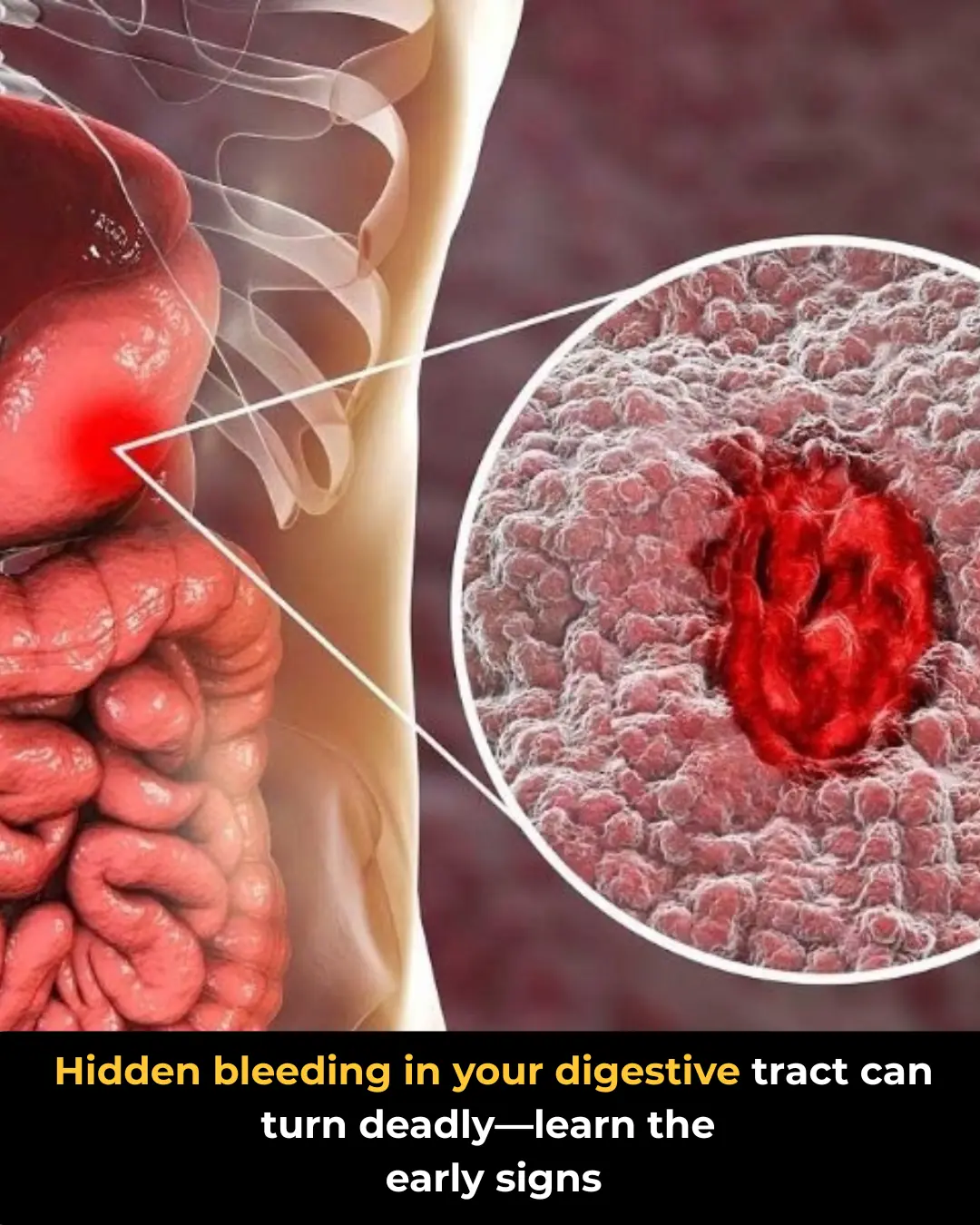
These are red-flag symptoms indicating ulcer complications or internal bleeding.
Caused by anemia from slow internal bleeding.
Doctors use several tests to confirm infection:
Urea breath test – most accurate, non-invasive
Stool antigen test – checks active infection
Blood test – checks antibodies (not always reliable)
Endoscopy – used when ulcers or bleeding are suspected
Early testing improves treatment outcomes.
The standard treatment is called Triple Therapy or Quadruple Therapy, which includes:
To kill the bacteria and prevent resistance.
Reduce acid so the stomach lining can heal.
Increase the effectiveness of antibiotics.
Treatment lasts 10–14 days. After completing therapy, retesting is recommended to ensure the infection is gone.
Untreated infection can lead to:
Chronic gastritis
Recurrent stomach ulcers
Internal bleeding
Increased risk of stomach cancer
Nutritional deficiencies
Persistent digestive discomfort
Early detection is crucial.
Wash hands regularly
Avoid sharing spoons and chopsticks
Drink clean water
Practice safe food handling
Treat infection early to prevent complications