Health 12/03/2026 10:13
5 Early Warning Signs of Lung Cancer Development You Should Never Ignore
5 Early Warning Signs of Lung Cancer Development You Should Never Ignore
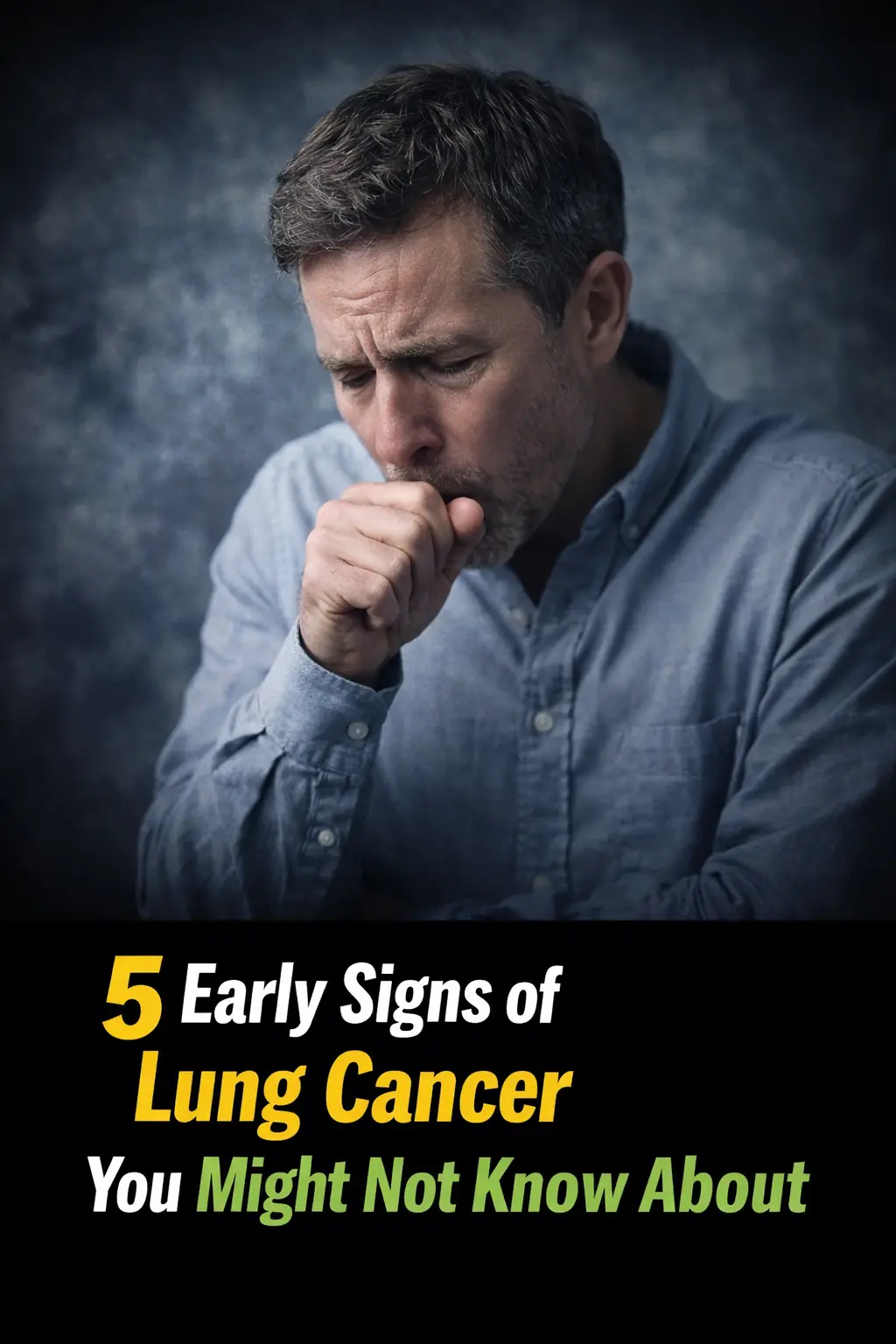
Lung cancer remains one of the most significant health challenges globally, primarily because it often goes undetected until it reaches an advanced stage. However, the human body frequently sends subtle signals long before the condition becomes critical. Early detection is the most powerful tool in increasing survival rates. Recognizing the 5 early warning signs of lung cancer development can empower you to seek medical advice when treatment is most effective.
1. A Persistent Cough That Changes Over Time
While a cough is a common symptom of a cold or a respiratory infection, a "lung cancer cough" has distinct characteristics. If you have a cough that lingers for more than three weeks, it is a major red flag.
Pay close attention to any changes in a chronic cough—especially if you are a smoker. Is the cough becoming more frequent? Does it sound deeper or have a hoarse quality? If you are coughing up blood or rust-colored phlegm (hemoptysis), even in tiny amounts, it is imperative to see a doctor immediately. This is often one of the first physical signs that a tumor is irritating the airway lining.
2. Unexplained Shortness of Breath (Dyspnea)
Many people attribute being "out of breath" to aging, lack of exercise, or weight gain. However, sudden or unexplained breathlessness during simple activities—like walking to the mailbox or climbing a short flight of stairs—can be an early indicator of lung cancer.
This happens because a developing tumor may block or narrow an airway, or fluid from a tumor may build up in the chest (pleural effusion), preventing the lungs from expanding fully. If you find yourself gasping for air in situations that previously felt easy, your body is signaling a potential obstruction in your respiratory system.
3. Persistent Chest Pain That Worsens with Deep Breathing
Lung cancer can cause pain in the chest, shoulders, or back. Unlike a pulled muscle, this pain is often described as sharp, aching, or persistent.
One characteristic sign of lung-related pain is that it tends to intensify when you:
-
Take a deep breath.
-
Cough or sneeze.
-
Laugh.
If the pain is localized and does not go away, it may indicate that a tumor is pressing against nerves or affecting the lining of the lungs (the pleura). Never dismiss chronic chest discomfort as "just indigestion" or "soreness" without a professional evaluation.
4. Recurrent Respiratory Infections
Do you find yourself suffering from bronchitis or pneumonia repeatedly? If you are "clearing up" an infection only to have it return a few weeks later, it may not be a simple case of a weak immune system.
Lung tumors can grow in a way that obstructs the bronchial passages. When these passages are blocked, bacteria can become trapped, leading to frequent infections in the same area of the lung. If your medical history shows a pattern of recurring respiratory illnesses within a short period, it is a strong reason to request a chest X-ray or CT scan.
5. Unexplained Weight Loss and Fatigue
Not all early signs of lung cancer occur in the chest. Systemic changes, such as sudden weight loss of 10 pounds or more without trying, are often the body’s response to a growing malignancy.
Cancer cells consume a vast amount of the body’s energy, and the inflammatory response to the disease can lead to muscle wasting and a loss of appetite. This is usually accompanied by unrelenting fatigue. This isn't the kind of tiredness that goes away with a good night's sleep; it is an overwhelming sense of exhaustion that interferes with daily life. When your body is fighting a silent battle internally, your energy levels are the first to drop.
The Importance of Early Screening
If you experience one or more of these symptoms, it does not automatically mean you have lung cancer, but it does mean your body is asking for attention. High-risk individuals—such as long-term smokers or those with significant exposure to radon or asbestos—should discuss Low-Dose CT (LDCT) scans with their physicians.
Conclusion
Lung cancer is no longer a silent killer if we learn to listen to the whispers of our bodies. By identifying a persistent cough, breathlessness, localized chest pain, frequent infections, and sudden fatigue, you can take a proactive stance on your health. Early diagnosis changes the narrative from "too late" to "manageable."
News in the same category

Why Some Chefs Consider Young Chicken Eggs a Hidden Delicacy

The Hidden Nutritional Power of a Vegetable Many People Overlook

Clove for Hair Growth: Can This Ancient Spice Really Boost Eyebrows, Lashes, and Long Hair?

🚿 The Hidden Risks of Showering at the Wrong Time — What Every Senior (and Caregiver) Should Know

Does The Inside Of Your Ear Itch

Important News for Everyone Who Loves a Daytime Nap

Oregano for Eye Health After 40: Natural Antioxidant Support and Easy Daily Habits

The "Golden" Connection Between Maternal Microbiome and Fetal Brain Development

Decoding the White Stains on Underwear: The Truth About Your Body's Natural "Cleaning Agent"

Turmeric for Teeth Whitening: Does This Natural Remedy Really Work?
8 Pancreatic Cancer Symptoms That May Surprise You

Japanese Ginger Beauty Ritual: A Simple Night Routine Inspired by Okinawa’s Centenarians

Garlic with Honey: A Simple Home Ritual That Could Transform Your Everyday Health

Build Muscle After 70: 6 Powerful Natural Foods That Beat Eggs in Protein

Hospice chef reveals the one comfort food most people ask for before they die

More people are dying from heart failure, doctors warn: give up these 4 habits now
Recognizing a Stroke Fast

Egg, Honey & Coffee Mix – The 3-Ingredient “Bedroom Rocket Fuel” Men Over 40 Are Using for Morning Wood, Stamina & Confidence
News Post

Can You Solve It? Only 5% of People Can Find the Missing Number in This Viral Puzzle
Facts 12/03/2026 11:14

Waking Up to a Wet Pillow? 6 Potential Health Risks Behind Frequent Sleep Drooling
Facts 12/03/2026 11:09

13 Science-Backed Reasons Why Small Breasts Are Amazing
Facts 12/03/2026 11:08

The Great Silence: Why the World’s Loudest Animals are Going Quiet
News 12/03/2026 11:03

Divine Restoration: Why Your Season of Loss is About to End
Facts 12/03/2026 10:53

At First It Looks Like Mold on the Wall… But It’s Actually a Rare Moth
Life stories 12/03/2026 10:31
The Science Behind the Bulge: Why Do Veins Surface?
Health 12/03/2026 10:00

When I Was 5, Police Told My Parents My Twin Had Died – 68 Years Later, I Met a Woman Who Looked Exactly Like Me
Life stories 12/03/2026 09:56
Why Some Chefs Consider Young Chicken Eggs a Hidden Delicacy
Health 12/03/2026 09:30
The Hidden Nutritional Power of a Vegetable Many People Overlook
Health 12/03/2026 09:03

I Threw My Poor Grandparents out of My Wedding – Then I Opened Their Final Gift and Collapsed
Life stories 12/03/2026 08:43

Why Your Body Might Be Waking You Up at 4 AM: The Hidden Message
Facts 12/03/2026 08:40
“I NEED LOVE… DON’T MOVE,” Whispered the Millionaire to His Maid—What Happened Next Shocked Everyone
Life stories 12/03/2026 06:48
My son hit me just because the soup wasn’t seasoned with salt
Life stories 12/03/2026 06:35

A Little Boy Wouldn’t Stop Crying After His Beloved Nanny Was Suddenly Fired and Disappeared From the Mansion Without Saying Goodbye
Life stories 11/03/2026 23:14

During our divorce trial, my husband showed no emotion as he sought to end our 20-year marriage
Life stories 11/03/2026 22:51
Clove for Hair Growth: Can This Ancient Spice Really Boost Eyebrows, Lashes, and Long Hair?
Health 11/03/2026 22:18

What Left-Handed People Have That Right-Handers Don’t
Tips 11/03/2026 22:03
🚿 The Hidden Risks of Showering at the Wrong Time — What Every Senior (and Caregiver) Should Know
Health 11/03/2026 22:01