
Health 12/03/2026 09:30
Why Some Chefs Consider Young Chicken Eggs a Hidden Delicacy
Why Some Chefs Consider Young Chicken Eggs a Hidden Delicacy
In the world of fine dining and traditional street food alike, there is a constant search for ingredients that offer a "fifth taste" or umami. While most people are familiar with the standard carton of eggs from the grocery store, few know about an unusual, prized ingredient hidden within traditional culinary circles: immature chicken eggs.
Known in various cultures as "young eggs" or undeveloped yolks, these small, golden gems offer a taste profile that standard eggs simply cannot match. But what makes them so special, and why are they becoming a focal point for adventurous chefs?
The Culinary Allure: What Are Immature Chicken Eggs?
Immature chicken eggs are found inside the hen before the protective shell has a chance to form. Unlike the liquid yolk we see in a fried egg, these are firm, vibrant, and resemble small golden pearls.
In several culinary traditions—from Vietnamese phở gà to Jewish eyerlekh—these yolks are considered a true delicacy. Chefs prize them for their rich, concentrated flavor and a texture that is uniquely creamy yet slightly bouncy. When cooked, they don't run like a typical yolk; instead, they offer a dense, velvety mouthfeel that coats the palate, making them the perfect "luxury" addition to humble dishes.
A Nutritional Powerhouse in a Small Package
Beyond their culinary status, young chicken eggs are packed with a high density of nutrients. Because they are the pure essence of the yolk before being diluted by egg whites or encased in a shell, their nutritional profile is exceptionally concentrated.
-
Healthy Fats and Proteins: They are naturally rich in high-quality protein and healthy fats, providing sustained energy.
-
Fat-Soluble Vitamins: These yolks are a potent source of Vitamin A, essential for vision and immune function, and Vitamin D, which is crucial for bone health.
-
The Brain-Boosting Choline: Perhaps the most significant nutrient found in these yolks is choline. This vital compound is a building block for cellular structures and plays a critical role in brain function, particularly in supporting memory and nerve signaling.
From Rustic Kitchens to Gourmet Plates
The versatility of young chicken eggs allows them to shine in a variety of cooking styles. Because the yolks are dense, they hold their shape well under heat, making them ideal for:
-
Soups and Broths: In traditional Asian soups, they are simmered slowly, absorbing the savory notes of the broth while adding a rich golden hue.
-
Stir-fries: When tossed in a hot wok with herbs and garlic, the exterior sears slightly while the interior remains creamy.
-
Rice Dishes: Many chefs mix them into hot rice, where the warmth slightly melts the yolk, creating a natural, nutrient-dense sauce.
However, as with any rich food, moderation is key. Due to their concentrated nature, they are high in cholesterol, similar to regular egg yolks, and are best enjoyed as an occasional treat within a balanced diet.
The Experience of the Adventurous Eater
For culinary explorers, young chicken eggs represent more than just food; they are a link to traditional cooking practices that emphasize using every part of the animal. They offer a "hidden" taste experience—a secret ingredient that has been passed down through generations of home cooks and is now finding its way into modern, experimental kitchens.
If you ever have the chance to try these golden yolks in a rustic bowl of soup or a gourmet stir-fry, don't pass it up. You’ll be tasting a piece of culinary history that celebrates the rich, unadulterated essence of nature’s most perfect protein.
News in the same category

The Science Behind the Bulge: Why Do Veins Surface?
The Hidden Nutritional Power of a Vegetable Many People Overlook

Clove for Hair Growth: Can This Ancient Spice Really Boost Eyebrows, Lashes, and Long Hair?

🚿 The Hidden Risks of Showering at the Wrong Time — What Every Senior (and Caregiver) Should Know

Does The Inside Of Your Ear Itch

Important News for Everyone Who Loves a Daytime Nap

Oregano for Eye Health After 40: Natural Antioxidant Support and Easy Daily Habits

The "Golden" Connection Between Maternal Microbiome and Fetal Brain Development

Decoding the White Stains on Underwear: The Truth About Your Body's Natural "Cleaning Agent"
Turmeric for Teeth Whitening: Does This Natural Remedy Really Work?
8 Pancreatic Cancer Symptoms That May Surprise You

Japanese Ginger Beauty Ritual: A Simple Night Routine Inspired by Okinawa’s Centenarians

Garlic with Honey: A Simple Home Ritual That Could Transform Your Everyday Health

Build Muscle After 70: 6 Powerful Natural Foods That Beat Eggs in Protein

Hospice chef reveals the one comfort food most people ask for before they die

More people are dying from heart failure, doctors warn: give up these 4 habits now
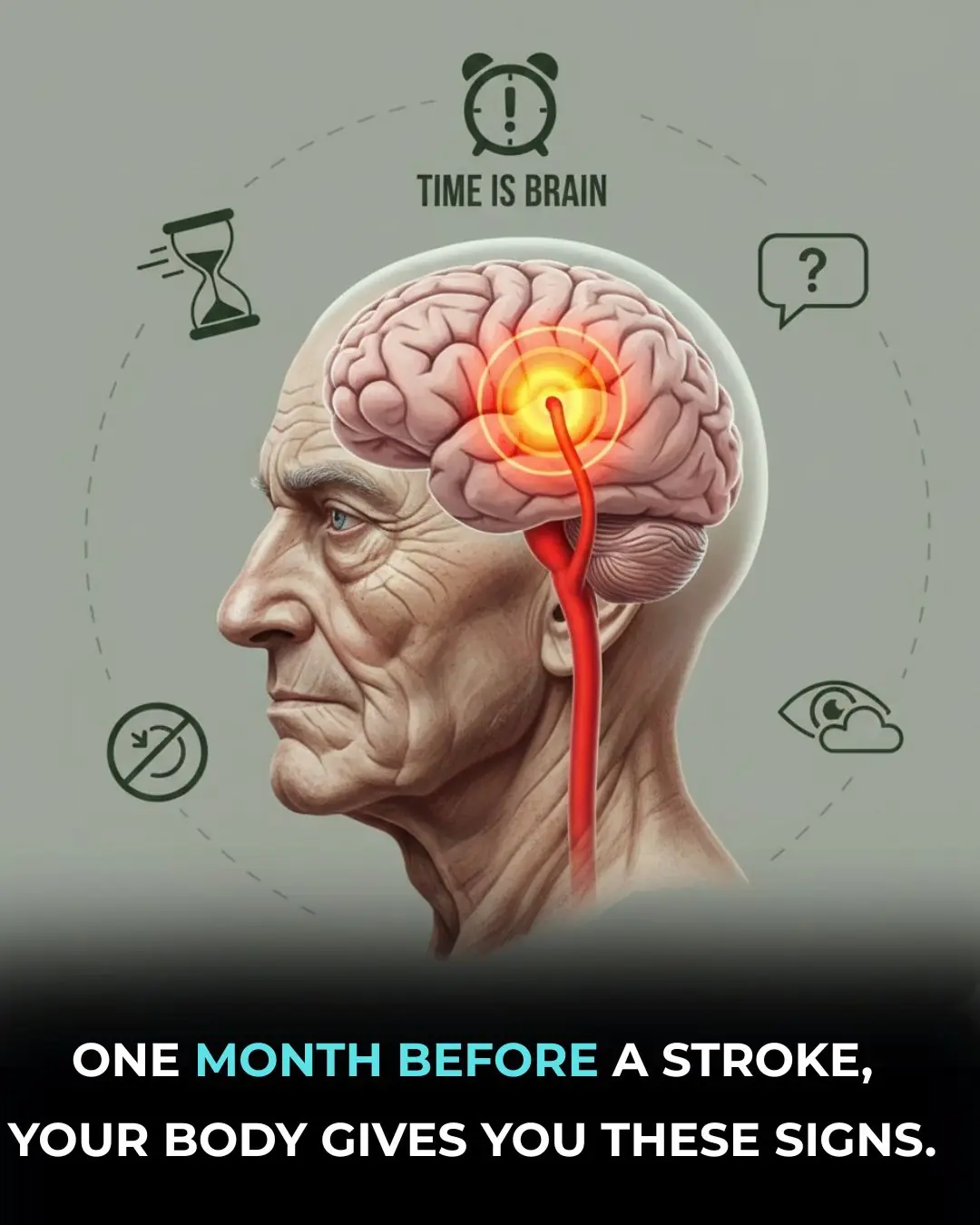
Recognizing a Stroke Fast
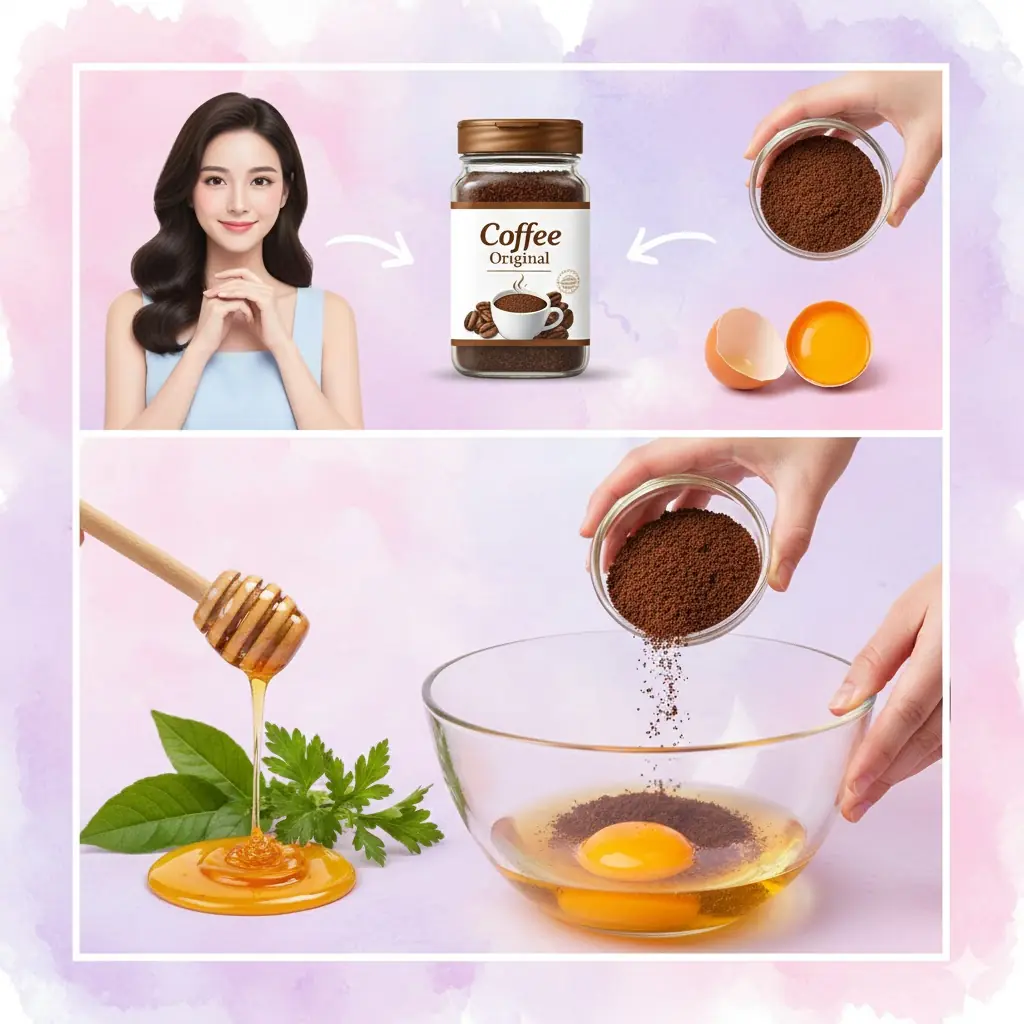
Egg, Honey & Coffee Mix – The 3-Ingredient “Bedroom Rocket Fuel” Men Over 40 Are Using for Morning Wood, Stamina & Confidence
News Post

Can You Solve It? Only 5% of People Can Find the Missing Number in This Viral Puzzle
Facts 12/03/2026 11:14

Waking Up to a Wet Pillow? 6 Potential Health Risks Behind Frequent Sleep Drooling
Facts 12/03/2026 11:09

13 Science-Backed Reasons Why Small Breasts Are Amazing
Facts 12/03/2026 11:08

The Great Silence: Why the World’s Loudest Animals are Going Quiet
News 12/03/2026 11:03

Divine Restoration: Why Your Season of Loss is About to End
Facts 12/03/2026 10:53

At First It Looks Like Mold on the Wall… But It’s Actually a Rare Moth
Life stories 12/03/2026 10:31
5 Early Warning Signs of Lung Cancer Development You Should Never Ignore
Health 12/03/2026 10:13
The Science Behind the Bulge: Why Do Veins Surface?
Health 12/03/2026 10:00

When I Was 5, Police Told My Parents My Twin Had Died – 68 Years Later, I Met a Woman Who Looked Exactly Like Me
Life stories 12/03/2026 09:56
The Hidden Nutritional Power of a Vegetable Many People Overlook
Health 12/03/2026 09:03

I Threw My Poor Grandparents out of My Wedding – Then I Opened Their Final Gift and Collapsed
Life stories 12/03/2026 08:43

Why Your Body Might Be Waking You Up at 4 AM: The Hidden Message
Facts 12/03/2026 08:40
“I NEED LOVE… DON’T MOVE,” Whispered the Millionaire to His Maid—What Happened Next Shocked Everyone
Life stories 12/03/2026 06:48
My son hit me just because the soup wasn’t seasoned with salt
Life stories 12/03/2026 06:35

A Little Boy Wouldn’t Stop Crying After His Beloved Nanny Was Suddenly Fired and Disappeared From the Mansion Without Saying Goodbye
Life stories 11/03/2026 23:14

During our divorce trial, my husband showed no emotion as he sought to end our 20-year marriage
Life stories 11/03/2026 22:51
Clove for Hair Growth: Can This Ancient Spice Really Boost Eyebrows, Lashes, and Long Hair?
Health 11/03/2026 22:18

What Left-Handed People Have That Right-Handers Don’t
Tips 11/03/2026 22:03
🚿 The Hidden Risks of Showering at the Wrong Time — What Every Senior (and Caregiver) Should Know
Health 11/03/2026 22:01