Health 12/03/2026 10:00
The Science Behind the Bulge: Why Do Veins Surface?
The Science Behind the Bulge: Why Do Veins Surface?
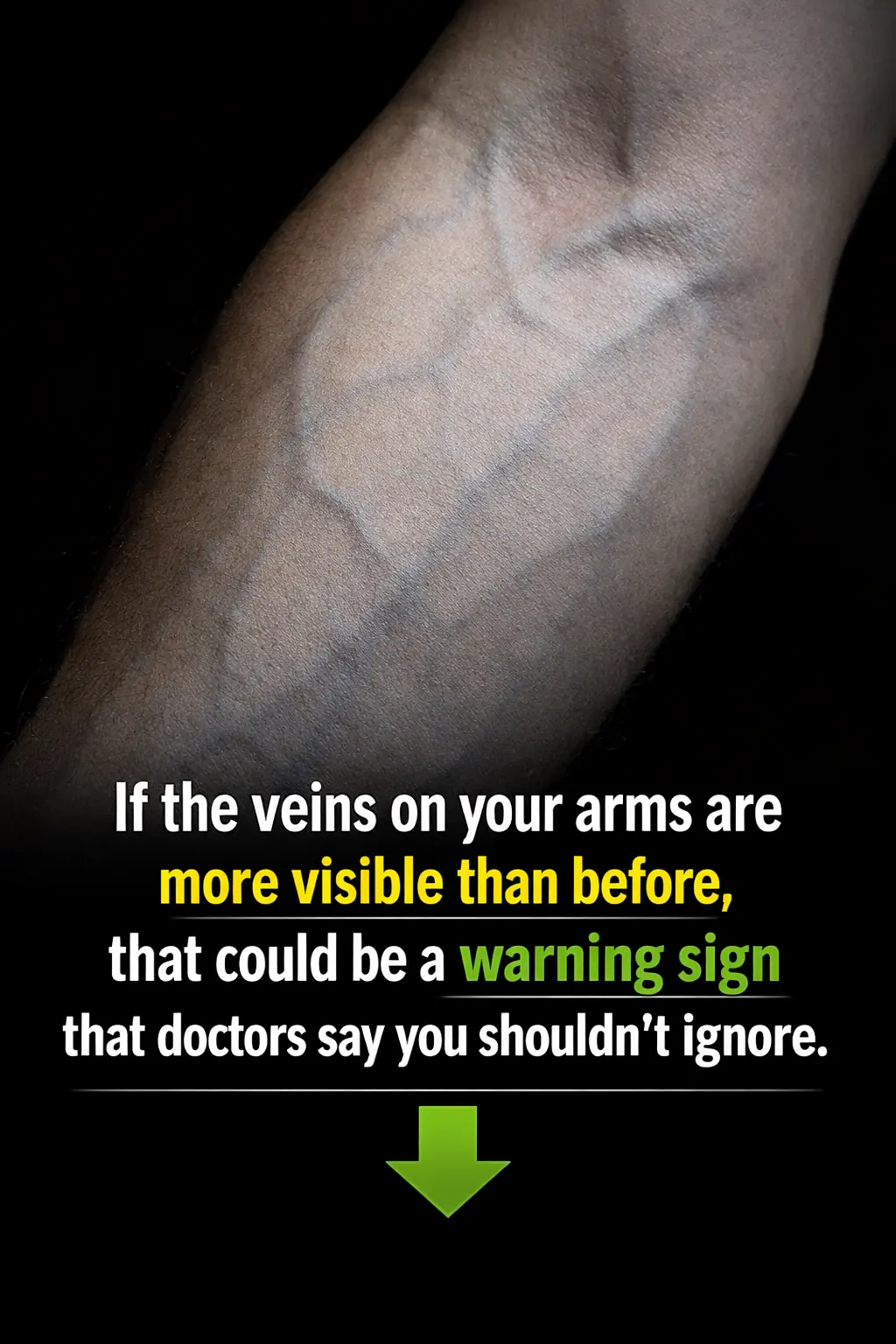
At the simplest level, veins become prominent when the pressure inside them increases or when the skin covering them thins. Our veins have a challenging job: they must defy gravity to push blood back up toward the heart. To prevent blood from flowing backward, veins are equipped with one-way valves.
When these valves weaken or fail—a condition known as venous insufficiency—blood begins to pool in the vessel. This accumulation causes the vein to stretch, twist, and swell, eventually pressing against the surface of the skin. While this is most common in the legs due to the extreme pressure of standing, it can manifest in the hands and arms, signaling that your vascular system is struggling.
Are Prominent Hand Veins Always Dangerous?
It is important to distinguish between "normal" prominent veins and those that signal a medical problem.
-
Low Body Fat & Aging: As we age, our skin loses elasticity and the subcutaneous fat layer thins. This makes perfectly healthy veins appear much more visible.
-
Physical Activity: During exercise, arterial pressure forces blood into the muscle tissue, which then swells and pushes veins toward the surface.
-
The Warning Signs: You should consult a doctor if the prominence is accompanied by:
-
Swelling in the wrists or fingers.
-
A dull, heavy ache in the limbs.
-
Skin discoloration or thickening around the veins.
-
Pain that intensifies after long periods of inactivity.
-
Deep Dive: The Stages of Varicose Vein Development
Varicose veins don't appear overnight. They are usually the result of years of gradual vascular wear and tear. Understanding the stages can help you seek treatment before the condition becomes debilitating.
Stage 1: Spider Veins
Small, reddish, or purple "web-like" veins appear near the skin surface. At this stage, the issue is primarily cosmetic, but it indicates that micro-circulation is being stressed.
Stage 2: Varicose Veins
This is where the veins become enlarged, rope-like, and palpable. This stage often brings physical discomfort, including itching or a "burning" sensation.
Stage 3: Edema (Swelling)
As the pressure builds, fluid begins to leak from the veins into the surrounding tissue, causing swelling in the extremities. This is a critical point where lifestyle changes become mandatory.
Stage 4: Skin Changes and Ulcers
In advanced stages, the skin may become dark and leathery (lipodermatosclerosis). Eventually, the lack of oxygenated blood flow can lead to venous ulcers—wounds that are notoriously difficult to heal.
Prevention and Management: Protecting Your Vascular Health
The good news is that venous issues are highly manageable if caught early. Here are the most effective strategies to keep your veins healthy:
-
Move Regularly: Avoid sitting or standing for more than 30 minutes at a time. Simple "calf pumps" or stretching your arms can jumpstart blood flow.
-
Compression Therapy: Compression garments apply gentle pressure to the limbs, helping the vein valves function more effectively and reducing pooling.
-
Hydration and Diet: A diet rich in fiber reduces internal pressure, while flavonoids (found in berries, leafy greens, and citrus) strengthen the walls of the blood vessels.
-
Elevation: Elevating your hands or legs above the level of your heart for 15 minutes a day uses gravity to help blood return to the heart effortlessly.
When to See a Professional
If you notice that the veins on your hands are becoming increasingly distorted or painful, it is time to see a vascular specialist. Modern treatments have moved far beyond the invasive "vein stripping" of the past. Today, procedures like Sclerotherapy (injecting a solution to close the vein) or Endovenous Laser Treatment (EVLT) are minimally invasive, allowing patients to return to their daily lives almost immediately.
Final Thoughts
Your veins are the roadmap of your internal health. While prominent hand veins are often a benign sign of a life well-lived, they can also be a "hush-hush" warning from your body. By paying attention to these changes early and adopting a vascular-friendly lifestyle, you can ensure your circulatory system stays strong for years to come.
News in the same category

Why Some Chefs Consider Young Chicken Eggs a Hidden Delicacy

The Hidden Nutritional Power of a Vegetable Many People Overlook
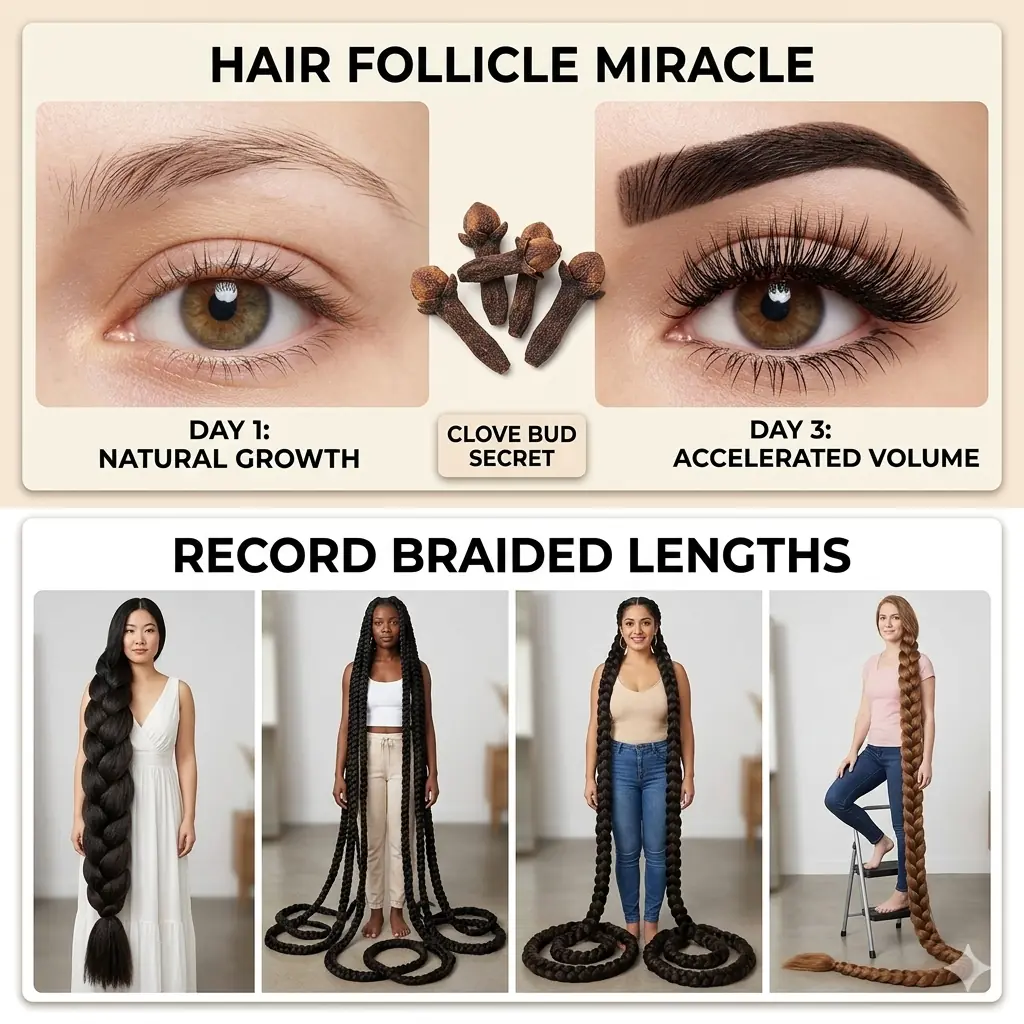
Clove for Hair Growth: Can This Ancient Spice Really Boost Eyebrows, Lashes, and Long Hair?

🚿 The Hidden Risks of Showering at the Wrong Time — What Every Senior (and Caregiver) Should Know

Does The Inside Of Your Ear Itch

Important News for Everyone Who Loves a Daytime Nap

Oregano for Eye Health After 40: Natural Antioxidant Support and Easy Daily Habits

The "Golden" Connection Between Maternal Microbiome and Fetal Brain Development
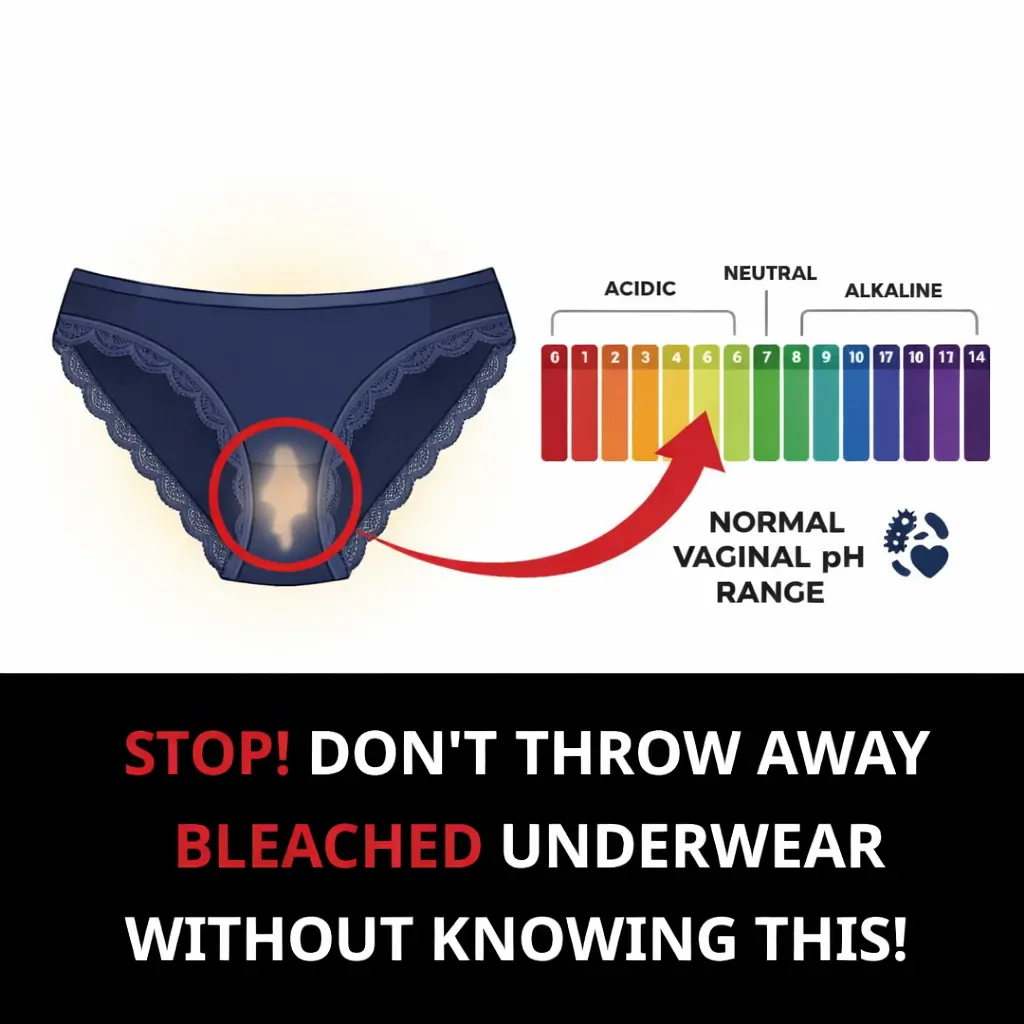
Decoding the White Stains on Underwear: The Truth About Your Body's Natural "Cleaning Agent"
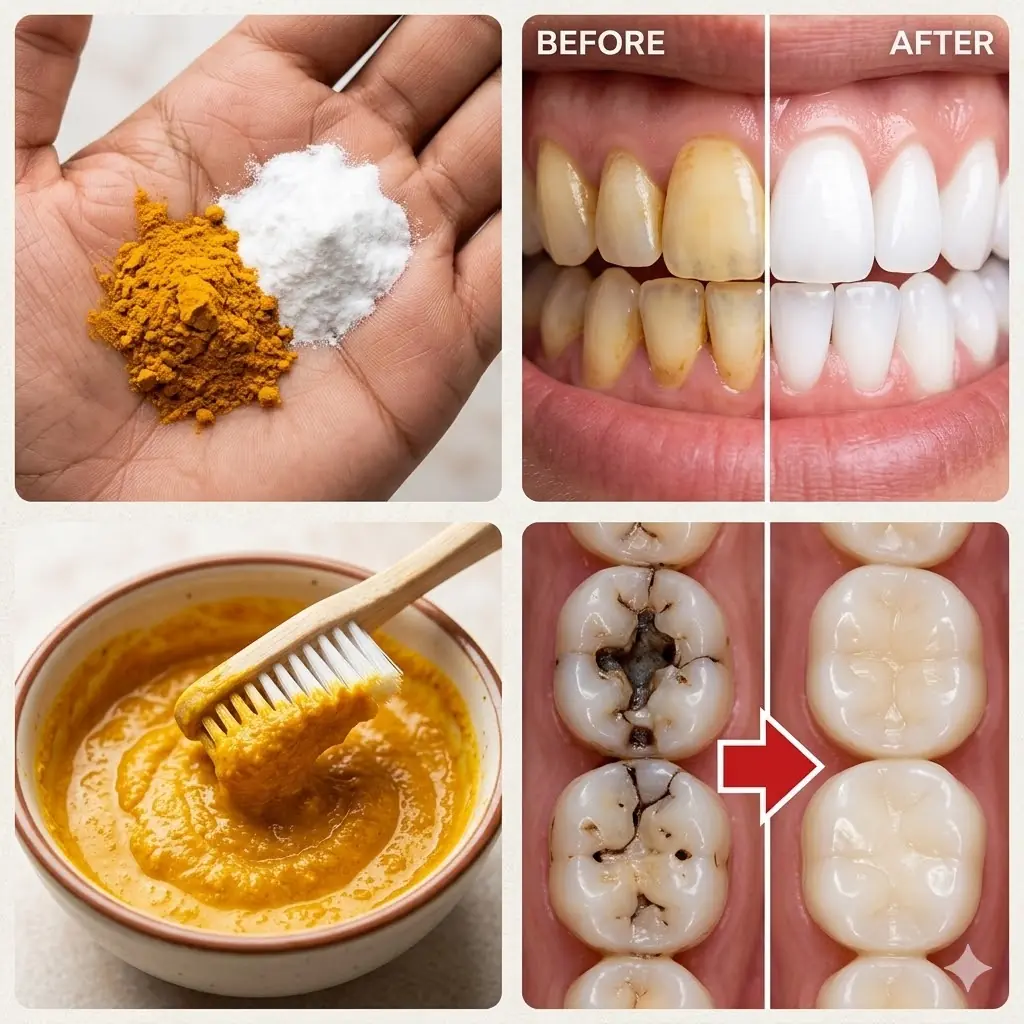
Turmeric for Teeth Whitening: Does This Natural Remedy Really Work?
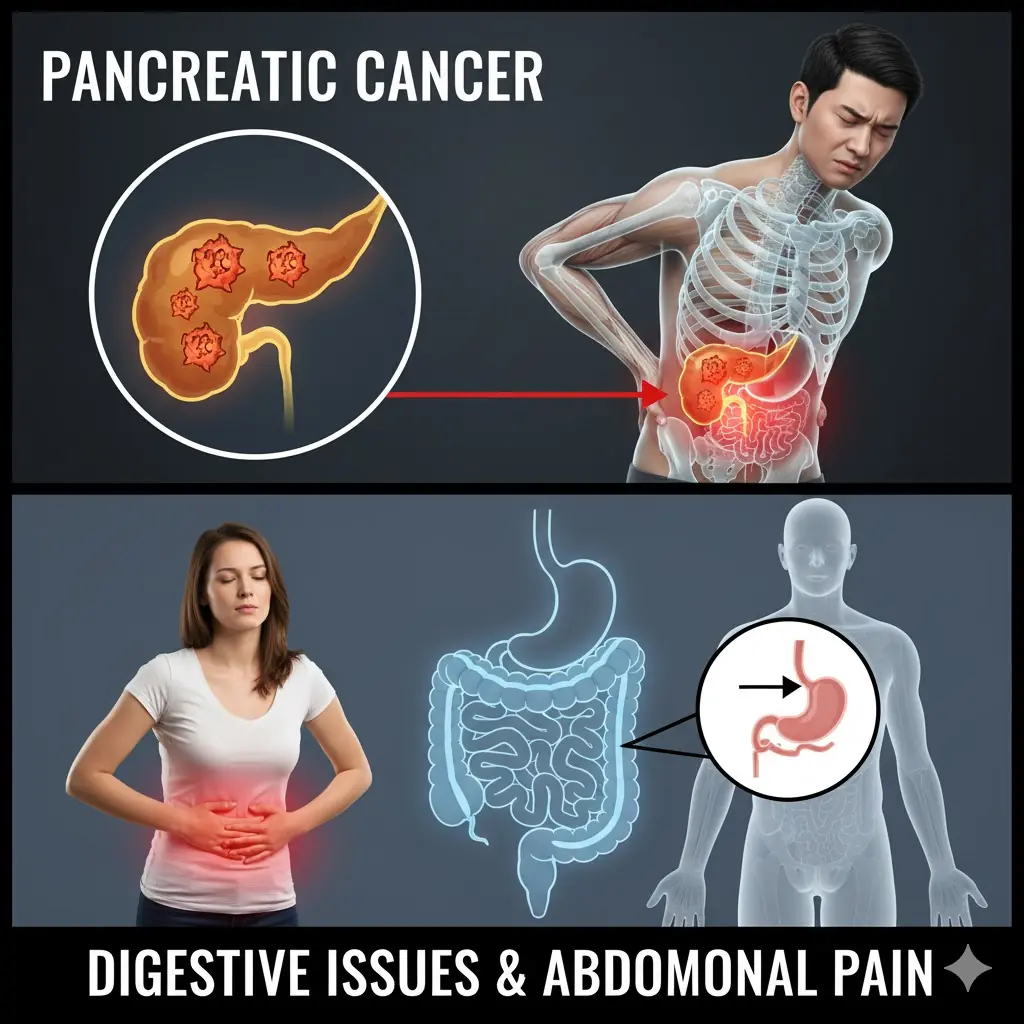
8 Pancreatic Cancer Symptoms That May Surprise You

Japanese Ginger Beauty Ritual: A Simple Night Routine Inspired by Okinawa’s Centenarians

Garlic with Honey: A Simple Home Ritual That Could Transform Your Everyday Health

Build Muscle After 70: 6 Powerful Natural Foods That Beat Eggs in Protein

Hospice chef reveals the one comfort food most people ask for before they die

More people are dying from heart failure, doctors warn: give up these 4 habits now
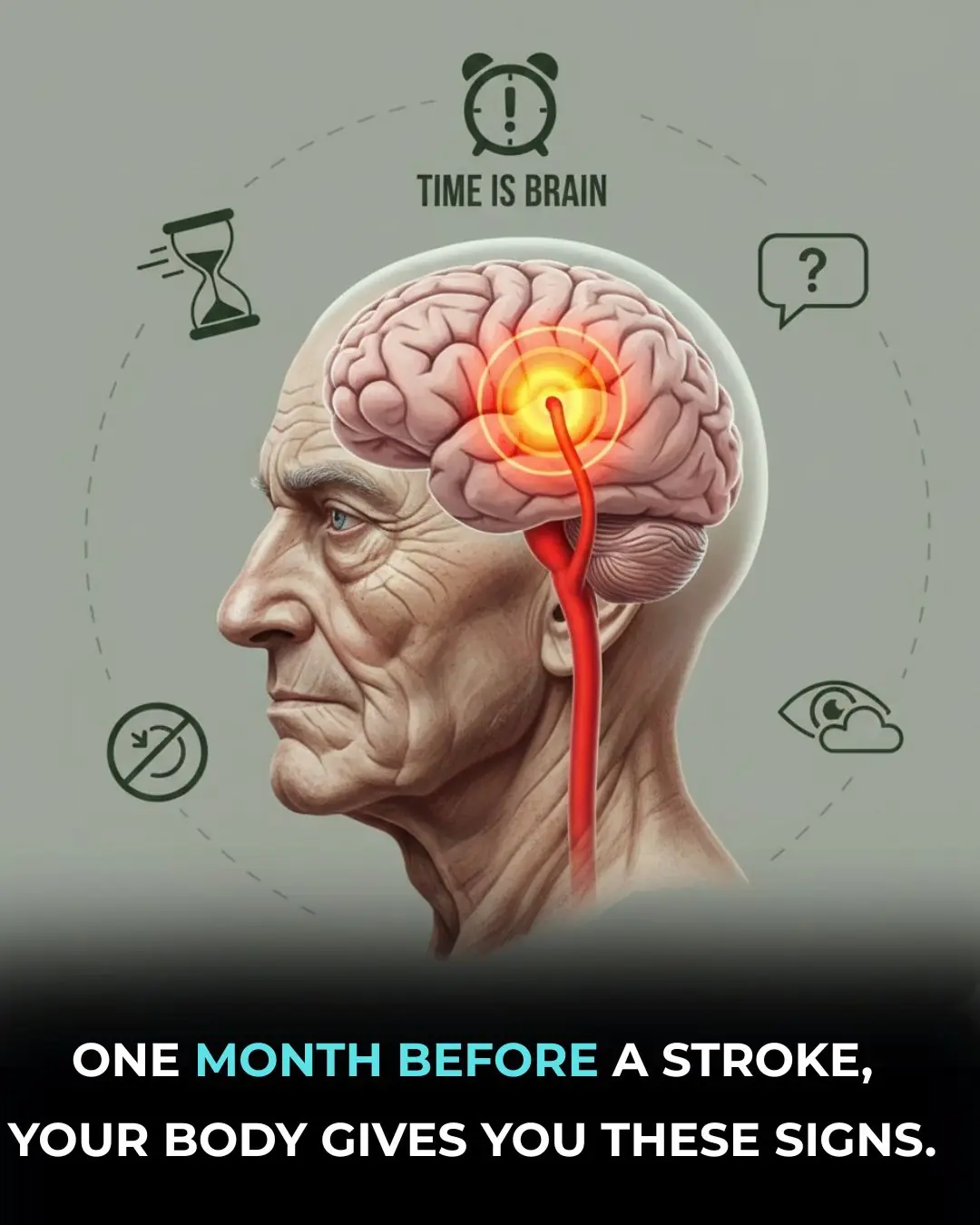
Recognizing a Stroke Fast
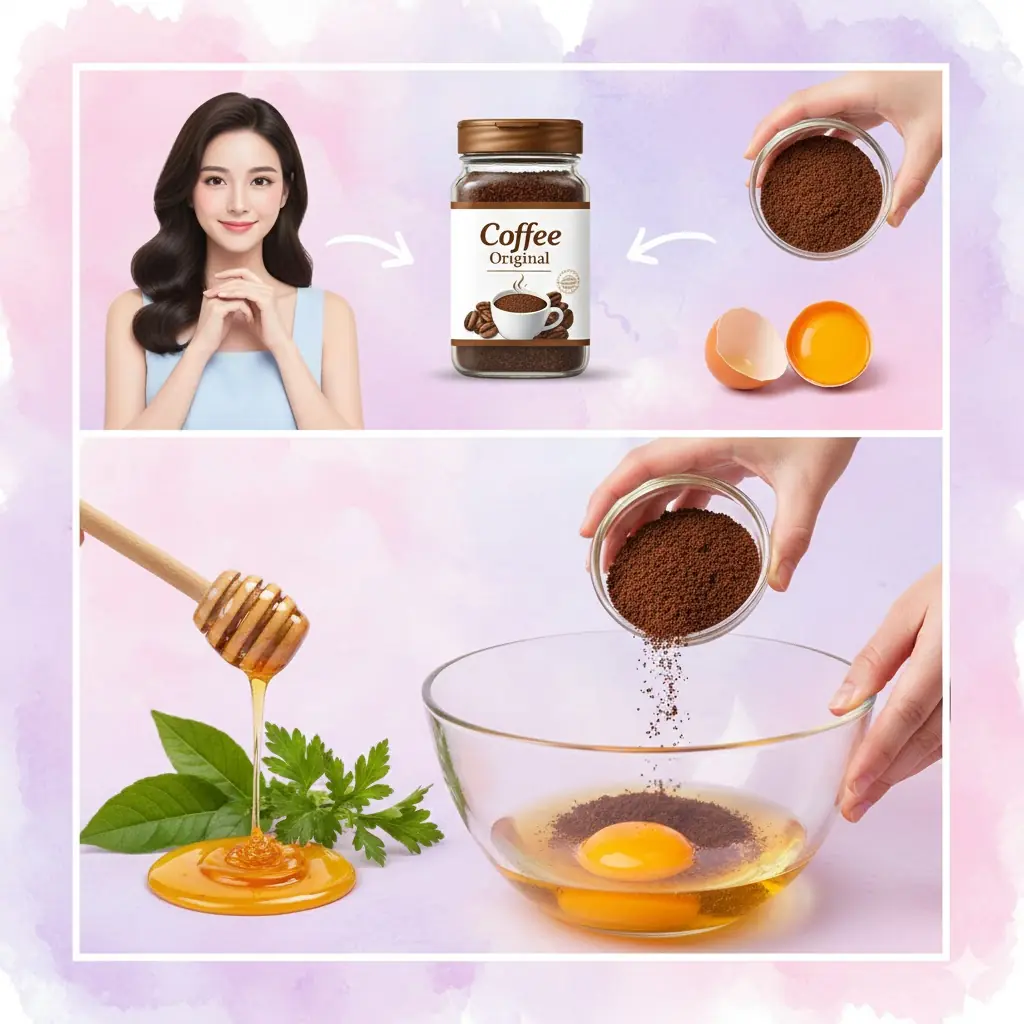
Egg, Honey & Coffee Mix – The 3-Ingredient “Bedroom Rocket Fuel” Men Over 40 Are Using for Morning Wood, Stamina & Confidence
News Post

Can You Solve It? Only 5% of People Can Find the Missing Number in This Viral Puzzle
Facts 12/03/2026 11:14

Waking Up to a Wet Pillow? 6 Potential Health Risks Behind Frequent Sleep Drooling
Facts 12/03/2026 11:09

13 Science-Backed Reasons Why Small Breasts Are Amazing
Facts 12/03/2026 11:08

The Great Silence: Why the World’s Loudest Animals are Going Quiet
News 12/03/2026 11:03

Divine Restoration: Why Your Season of Loss is About to End
Facts 12/03/2026 10:53

At First It Looks Like Mold on the Wall… But It’s Actually a Rare Moth
Life stories 12/03/2026 10:31
5 Early Warning Signs of Lung Cancer Development You Should Never Ignore
Health 12/03/2026 10:13
When I Was 5, Police Told My Parents My Twin Had Died – 68 Years Later, I Met a Woman Who Looked Exactly Like Me
Life stories 12/03/2026 09:56
Why Some Chefs Consider Young Chicken Eggs a Hidden Delicacy
Health 12/03/2026 09:30
The Hidden Nutritional Power of a Vegetable Many People Overlook
Health 12/03/2026 09:03

I Threw My Poor Grandparents out of My Wedding – Then I Opened Their Final Gift and Collapsed
Life stories 12/03/2026 08:43

Why Your Body Might Be Waking You Up at 4 AM: The Hidden Message
Facts 12/03/2026 08:40
“I NEED LOVE… DON’T MOVE,” Whispered the Millionaire to His Maid—What Happened Next Shocked Everyone
Life stories 12/03/2026 06:48
My son hit me just because the soup wasn’t seasoned with salt
Life stories 12/03/2026 06:35

A Little Boy Wouldn’t Stop Crying After His Beloved Nanny Was Suddenly Fired and Disappeared From the Mansion Without Saying Goodbye
Life stories 11/03/2026 23:14

During our divorce trial, my husband showed no emotion as he sought to end our 20-year marriage
Life stories 11/03/2026 22:51
Clove for Hair Growth: Can This Ancient Spice Really Boost Eyebrows, Lashes, and Long Hair?
Health 11/03/2026 22:18

What Left-Handed People Have That Right-Handers Don’t
Tips 11/03/2026 22:03
🚿 The Hidden Risks of Showering at the Wrong Time — What Every Senior (and Caregiver) Should Know
Health 11/03/2026 22:01