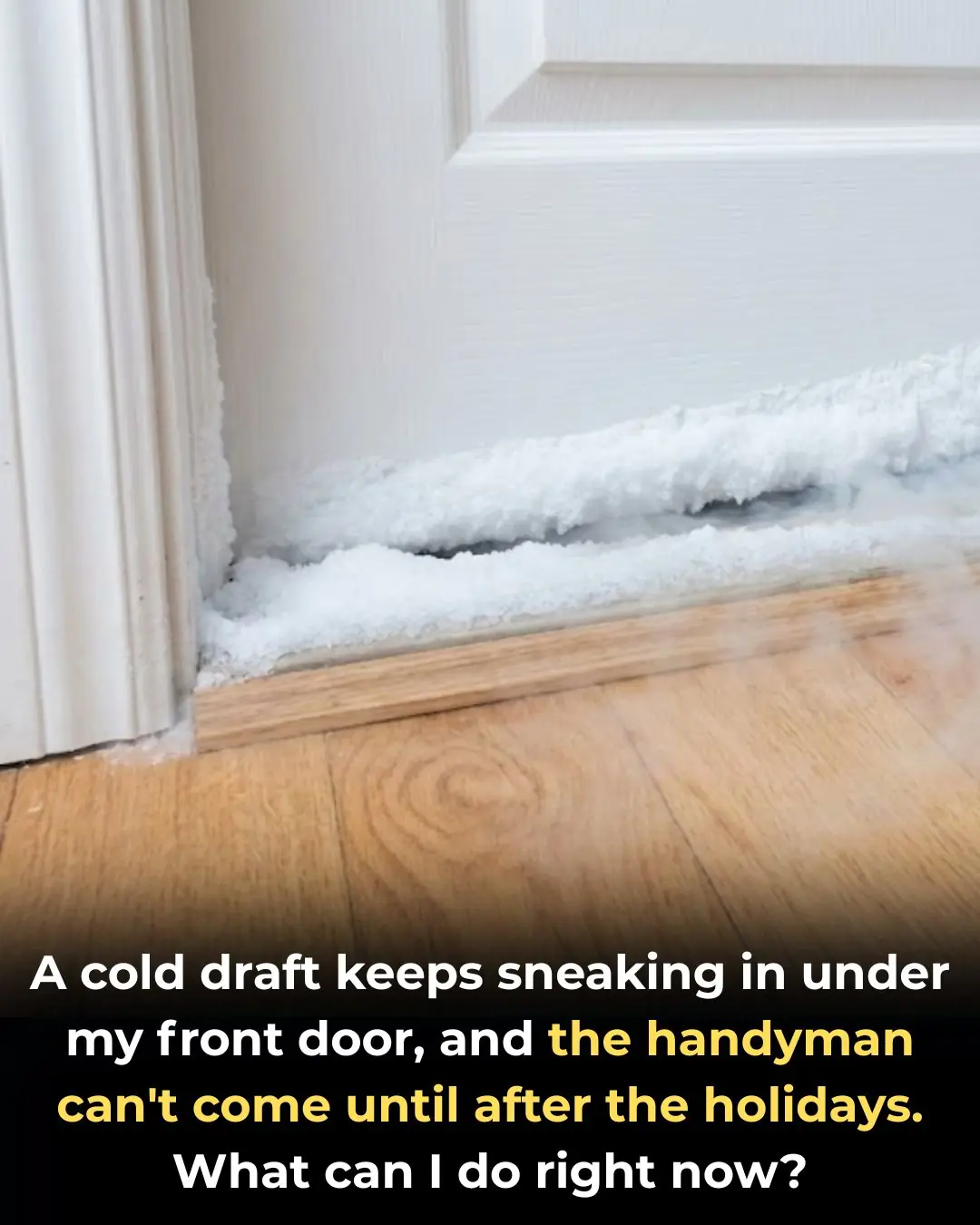
When winter arrives, even the smallest gaps around your doors can let icy air creep inside, making your home feel colder than it should. Drafts under doors are especially annoying—your heater works harder, energy bills climb, and staying warm becomes a challenge.
If professional repairs have to wait until after the holidays, don’t panic. There are plenty of quick, affordable, and surprisingly effective ways to stop cold drafts using items you probably already have at home. Below is a practical guide to help you seal out the chill and stay comfortable until permanent fixes are possible.
1. Identify Exactly Where the Draft Is Coming From
Before applying any solution, confirm the source of the cold air. Run your hand slowly along the bottom and sides of the door to feel for airflow. A lit candle or flashlight can help—if the flame flickers or light leaks through, you’ve found the problem. Measure the gap under the door as well; anything wider than about ¼ inch can allow noticeable heat loss.
2. Use a Rolled Towel or Blanket for Instant Relief
One of the fastest fixes is simply rolling up a towel, blanket, or thick fabric and pressing it tightly against the base of the door. This works especially well for larger gaps. Make sure the roll spans the full width of the door so cold air has no path through.
3. Create a DIY Draft Snake With Old Clothing
Old sweaters, jeans, or leggings can be turned into an effective draft stopper. Cut the fabric to door width, fill it with rice, sand, or crumpled paper, and tie off the ends. Place it along the bottom of the door for a reusable, eco-friendly solution that also adds a cozy touch.
4. Try Pool Noodles or Pipe Insulation
Pool noodles and foam pipe insulation make excellent temporary door seals. Cut the foam to size, slice it lengthwise, and slide it under the door. This method blocks cold air while still allowing the door to open and close normally.
5. Apply Temporary Weatherstripping Tape
Foam or rubber weatherstripping with adhesive backing can quickly seal gaps along the door frame or bottom edge. Clean the surface first so the tape sticks properly. While not permanent, this solution can dramatically reduce drafts for weeks or even months.
6. Add Insulation With Rugs, Mats, or Heavy Curtains
Layering textiles helps trap heat. Place a thick rug or mat against the door, and consider hanging a heavy curtain or blanket over the doorway. This extra barrier slows heat loss and reduces the amount of cold air entering the room.
7. Seal Gaps With Painter’s Tape or Duct Tape
For a short-term emergency fix, tape can work surprisingly well. Apply painter’s tape or duct tape over visible gaps along the door edges. It’s not the prettiest option, but it can provide immediate warmth when temperatures drop suddenly.
8. Use Cardboard, Foam Boards, or Bubble Wrap
If the gap is large, cut cardboard, foam sheets, or bubble wrap to size and secure it at the bottom of the door with tape. These materials add insulation and are especially useful when you need something thicker than fabric alone.
9. Rearrange Furniture to Reduce Cold Air Flow
Placing a chair, storage bench, or small table near the door can help block and absorb incoming cold air. While this won’t eliminate the draft completely, it can noticeably improve comfort in the room.
10. Circulate Warm Air Strategically
Use fans to push warm air toward drafty areas. Position a fan so it directs heat toward the door, creating airflow that helps counter incoming cold air. This technique also improves overall heat distribution in your home.
11. Inspect Existing Weatherstripping and Patch It
Check current weatherstripping for cracks, tears, or loose sections. If damage is minor, reinforce it with tape or temporary sealant. This quick patch can extend its usefulness until replacement is possible.
12. Choose Draft Stoppers That Move With the Door
Double-sided draft blockers slide under the door and seal both sides at once. Because they move when the door opens or closes, they’re convenient and effective without needing constant adjustment.
13. Get Ready for a Permanent Fix
While using these temporary solutions, prepare for professional repairs. Measure door gaps carefully, take photos of problem areas, and note what you’ve already tried. This information will help a handyman diagnose the issue quickly and install the right long-term solution.
Stay Warm Until Help Arrives
Cold drafts don’t have to make winter miserable. With a little creativity and some household items, you can keep warm, reduce energy loss, and make your home far more comfortable—no tools or special skills required.