
Health 2025-12-24 00:10:05
Selective Anti-Cancer Activity of Dandelion Root Extract in Colorectal Cancer
Selective Anti-Cancer Activity of Dandelion Root Extract in Colorectal Cancer
Colorectal cancer is one of the leading causes of cancer-related mortality worldwide, and resistance to conventional therapies remains a major clinical challenge. Tumor heterogeneity, mutations in key tumor suppressor genes such as p53, and toxicity to normal tissues often limit the effectiveness of chemotherapy. In this context, naturally derived compounds that selectively target cancer cells while sparing healthy tissue are of increasing scientific interest. A notable example is dandelion root extract (DRE), which was investigated in a 2016 study published in Oncotarget under the title “Dandelion root extract affects colorectal cancer proliferation and survival through the activation of multiple death signalling pathways.”
In this study, researchers examined the effects of an aqueous extract of dandelion root on human colorectal cancer cells using both in vitro and in vivo models. The results were striking. In cultured cell experiments, DRE selectively killed more than 95% of colorectal cancer cells while leaving normal colon mucosal cells largely unaffected. Importantly, this cytotoxic effect was observed regardless of the cancer cells’ p53 status. Because p53 mutations are common in advanced colorectal cancer and are a major cause of treatment resistance, the ability of DRE to bypass p53-dependent pathways highlights its potential therapeutic relevance.
Mechanistic analyses revealed that DRE induced programmed cancer cell death through multiple, overlapping pathways rather than relying on a single molecular trigger. Treatment with DRE caused destabilization of the mitochondrial membrane, leading to the release of pro-apoptotic factors and disruption of cellular energy homeostasis. In parallel, intracellular levels of reactive oxygen species increased, placing oxidative stress on cancer cells that are already metabolically vulnerable. The extract also activated caspase-8, indicating involvement of extrinsic death-receptor signaling, and altered gene expression in favor of cell death. Numerous pro-death genes were up-regulated, while key pro-survival molecules such as Bcl-2 and PARP2 were down-regulated. This multi-pronged attack helps explain why colorectal cancer cells were unable to adapt or develop resistance in vitro.
The study further validated these findings in animal models. In mouse xenograft experiments, where human colorectal cancer cells were implanted into mice, oral administration of DRE at a dose of 40 mg/kg per day reduced tumor growth by more than 90%. Equally important was the favorable safety profile observed. Treated mice maintained stable body weight, showed normal organ histology, and exhibited no signs of kidney damage or proteinuria. These findings suggest that DRE exerts strong anti-tumor effects without causing the systemic toxicity typically associated with many chemotherapeutic agents.
Phytochemical analysis of the extract identified several bioactive triterpenes, including α-amyrin, β-amyrin, lupeol, and taraxasterol. While these compounds individually displayed some anti-cancer activity, none matched the potency of the complete extract. This observation supports the conclusion that DRE functions through a cooperative, synergistic mechanism in which multiple compounds act together to induce selective cancer cell death. Such complexity may be an advantage, as it reduces the likelihood that cancer cells can escape by mutating a single target.
In conclusion, the 2016 Oncotarget study provides compelling preclinical evidence that dandelion root extract has strong, selective anti-cancer activity against colorectal cancer (Oncotarget, 2016). By activating multiple death signaling pathways, overcoming p53-related resistance, and demonstrating impressive tumor suppression without toxicity in animal models, DRE represents a promising candidate for further investigation. Although these findings do not yet justify clinical use, they strongly support the need for additional studies to evaluate dandelion root extract as a potential complementary or novel therapeutic approach in colorectal cancer.
News in the same category

20 Subtle Cancer Symptoms Commonly Missed

5 Traits Women With Small Social Circles Often Share

Head Injuries May Show Delayed Symptoms, Experts Warn

3 Evening Habits That Are Silently Stealing Your Lifespan

The Nose Knows: Can Your Sense of Smell Predict Death?

Why You Naturally Sleep With One Foot Outside the Blanket – The Surprising Science Behind It

The Silent Culprit That Keeps Your Stomach From Healing (And Most People Ignore It)
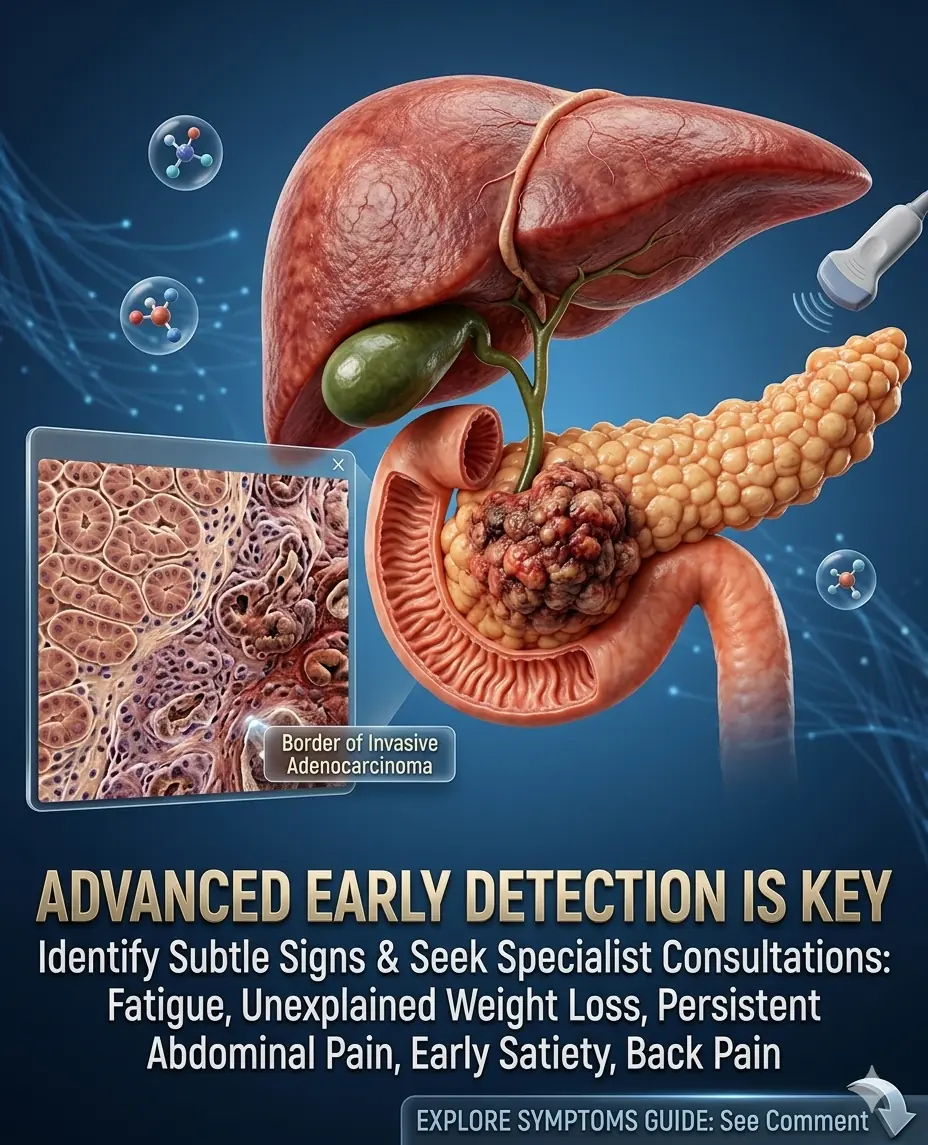
10 Warning Signs of Pancreatic Cancer You Should Never Ignore

Blood Pressure Drug Recalled After Cancer-Causing Chemicals Detected: What You Need to Know

Correct vs Wrong Sitting Posture: How Poor Wrist Position Can Damage Your Nerves
Many people believe that storing leftovers in the fridge automatically makes them safe to eat the next day

Doctors reveal that eating avocado causes... see more

5 Alarming Stroke Warning Signs to Watch for in Young People

Is He Pulling Away? The Real Reason Your Partner Turns Their Back While Sleeping

If Your Cat Sleeps Next to You, It Might Be Trying to Tell You Somethin
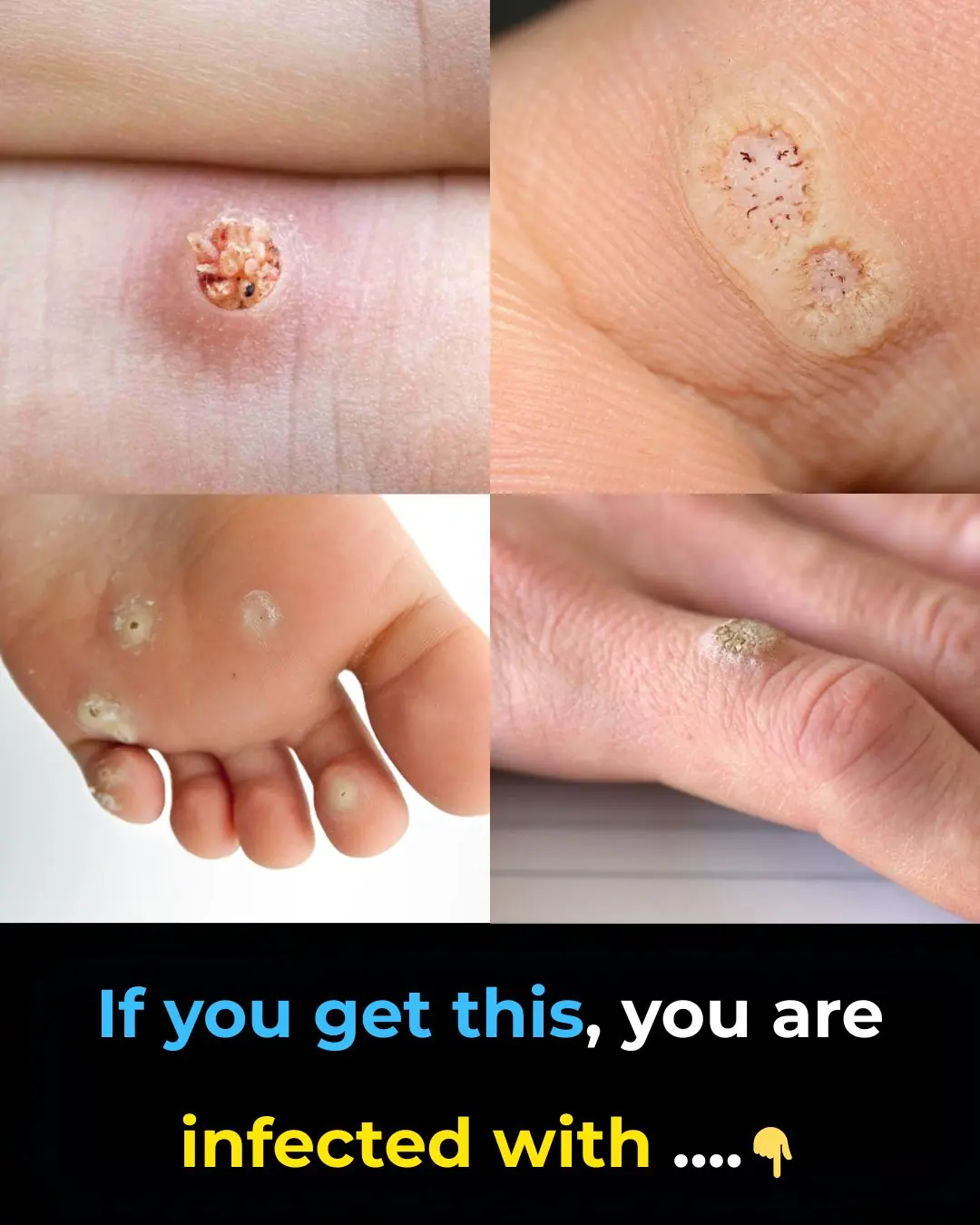
6 Types of Warts: Signs, Symptoms, Home Remedies, and Treatment

These are the Consequences of Sleeping with the Fan On

This Simple Night Routine May Help Protect Your Heart (And Most People Ignore It)

Cancer Often Shows No Pain at First – But These 8 Bathroom Warning Signs Should Never Be Ignored
News Post

What Your Favorite Ice Cream Flavor Says About Your Personality
Tips 16/04/2026 08:33

Part 2: No one moved.
Life stories 16/04/2026 00:52

My Husband Proudly Introduced His Pregnant Mistress at Dinner… Until His Father Stood Up and Said THIS
Life stories 16/04/2026 00:08

PART 2: “HEY—DON’T TOUCH ME!”
Life stories 15/04/2026 22:01

PART 2: “HEY—WHAT ARE YOU DOING?
Life stories 15/04/2026 21:38

I Walked Away From My Baby on a Plane… What Happened 13 Years Later Broke Me
Life stories 15/04/2026 21:11

Mixing Your Medications in One Pill Box
Facts 15/04/2026 17:28

Don't Cheat. Choose A Nail To See What Kind Of Woman You Are...Read more
Facts 15/04/2026 17:24

12 Early Warning Signs of Dementia
Facts 15/04/2026 17:15

5 Types of Women Men Never Truly Forget
Facts 15/04/2026 17:06

What Kind of Woman Are You? 👗
Facts 15/04/2026 17:02

The Narrowing Path: Can the U.S. and Iran De-escalate Amid Rising Middle East Tensions?
News 15/04/2026 15:56

Tensions Flare in the Strait of Hormuz: A High-Stakes Game of Brinkmanship Between the US and Iran
News 15/04/2026 15:37

My daughter came home one day and told me she wanted me to meet her fiancé. I never expected the moment he walked through the door to stop everything cold.
Life stories 15/04/2026 15:27

Battle-Scarred: US Air Force KC-135 Covered in ‘Speed Tape’ May Face Retirement After Middle East Damage
News 15/04/2026 15:26

The “Castle Waitress” Was FORCED to Kneel and Wipe the Bride’s Shoes — They Had NO IDEA She Owned the WHOLE Estate
Life stories 15/04/2026 15:15

Mother-in-Law Arrived for Her Birthday—Then I Exposed Her Secret Plot to Steal My Home in Front of Everyone
Life stories 15/04/2026 15:05

The supervisor thought she had all the power—until one key proved otherwise
Life stories 15/04/2026 14:49
If Your Hands Start Looking Like This… It’s Not Just Dry Skin — It Could Be a Warning Sign
Health 15/04/2026 14:47

PART 2: “YOU DID THIS TO ME!! THIS IS YOUR FAULT!!”
Life stories 15/04/2026 13:48