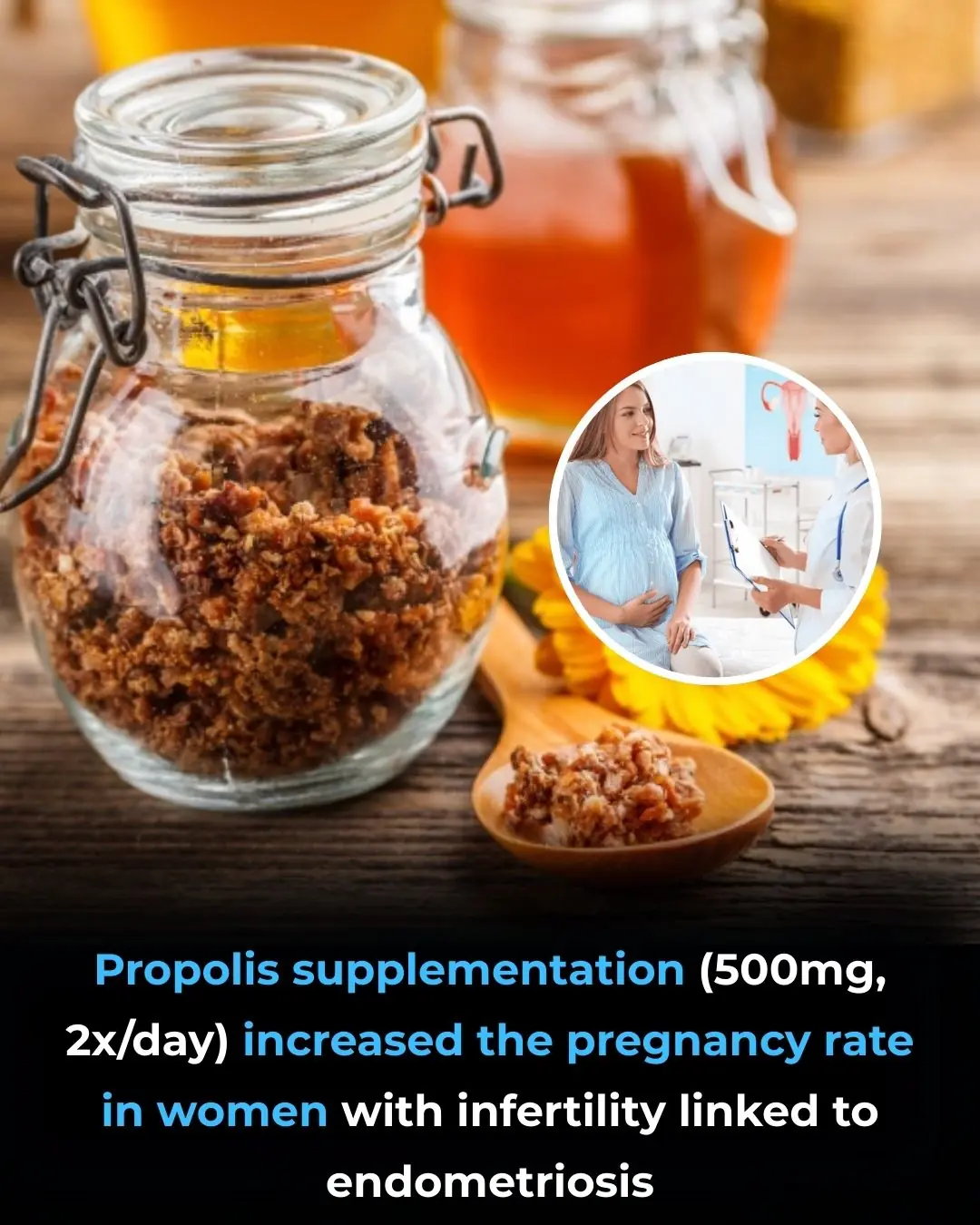
Bee Propolis and Infertility in Endometriosis: Evidence from a Pilot Randomized Clinical Trial
Health 28/12/2025 23:34
Autoimmune thyroiditis, most commonly known as Hashimoto’s thyroiditis, is the leading cause of hypothyroidism in many parts of the world. The disease is characterized by immune-mediated destruction of thyroid tissue, reflected biochemically by elevated thyroid autoantibodies, particularly thyroid peroxidase antibodies (TPO-Ab). While thyroid hormone replacement effectively treats hypothyroidism, it does not directly address the underlying autoimmune process. As a result, there has been sustained interest in nutritional and antioxidant interventions that might reduce autoimmune activity itself. A randomized controlled clinical trial published in 2019 in the Journal of Endocrinological Investigation provides important human evidence in this area.
The study, conducted by Dr. F. Karimi and Dr. G. R. Omrani, enrolled 102 patients aged 15 to 78 years with diagnosed autoimmune thyroiditis. Participants were randomly assigned to one of three groups: selenium supplementation (200 μg/day as sodium selenite), vitamin C supplementation (500 mg/day), or placebo. The intervention lasted three months, and researchers assessed thyroid-specific antibodies and hormone markers both at baseline and at the end of the study period. This randomized, placebo-controlled design strengthens the reliability of the findings by minimizing bias and allowing a direct comparison between antioxidant interventions and no treatment.
The primary outcome of interest was the change in thyroid peroxidase antibodies, a key marker of autoimmune activity against the thyroid gland. After three months, both the selenium and vitamin C groups demonstrated a clear and statistically significant reduction in TPO-Ab levels, whereas the placebo group showed no meaningful change. This indicates that antioxidant supplementation, regardless of the specific agent used, was associated with a measurable dampening of thyroid autoimmunity.
Importantly, the study found no significant changes in thyroid-stimulating hormone (TSH) or thyroglobulin antibodies across any of the groups. This suggests that the observed effect was specific to immune activity rather than thyroid hormone production or overall thyroid function. In other words, selenium and vitamin C appeared to influence the autoimmune process itself without directly altering endocrine output during the relatively short intervention period. This distinction is clinically relevant, as it implies a potential adjunctive role for antioxidants alongside standard hormone replacement therapy, rather than as a substitute.
Biochemical measurements also confirmed good adherence to the intervention. Serum selenium levels increased only in the selenium-treated group, verifying that participants were taking the supplement as prescribed. Interestingly, despite this increase in selenium status, selenium was not superior to vitamin C in reducing TPO-Ab levels. This finding led the authors to an important conclusion: the beneficial effect observed may be driven more by general antioxidant activity than by selenium-specific mechanisms alone.
From a mechanistic perspective, this interpretation is plausible. Oxidative stress is known to contribute to autoimmune activation and tissue damage in Hashimoto’s thyroiditis. Both selenium and vitamin C possess antioxidant properties, though through different biochemical pathways. Selenium supports the activity of antioxidant enzymes such as glutathione peroxidases, while vitamin C directly scavenges reactive oxygen species and helps regenerate other antioxidants. The comparable efficacy of these two agents suggests that reducing oxidative stress may help calm autoimmune signaling in the thyroid, at least modestly.
The authors were careful to acknowledge the limitations of their study. The intervention lasted only three months, and longer-term effects on antibody levels, thyroid function, or clinical outcomes were not assessed. In addition, the reductions in TPO-Ab, while statistically significant, were moderate and should not be interpreted as a cure or reversal of autoimmune thyroiditis. Larger and longer trials would be needed to determine whether sustained antioxidant supplementation can influence disease progression, symptom burden, or long-term thyroid function.
In conclusion, the 2019 randomized controlled trial published in the Journal of Endocrinological Investigation demonstrates that both selenium and vitamin C supplementation can modestly reduce thyroid peroxidase antibody levels in patients with autoimmune thyroiditis (Journal of Endocrinological Investigation, 2019). The lack of superiority of selenium over vitamin C suggests that antioxidant effects, rather than selenium-specific actions alone, may underlie the observed benefits. These findings support the concept that targeted nutritional antioxidants may play an adjunctive role in managing thyroid autoimmunity, while underscoring the need for further research to clarify their long-term clinical significance.






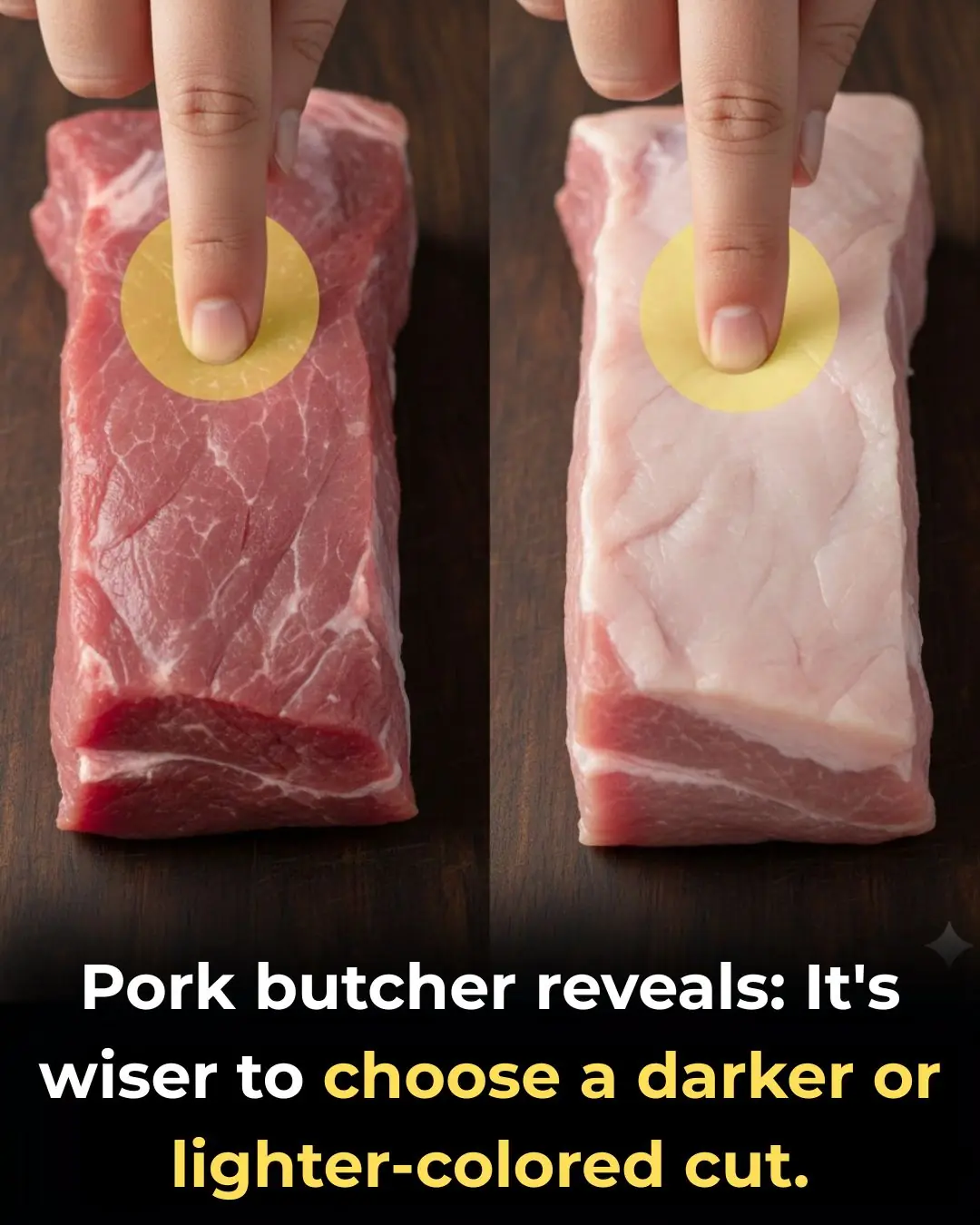
How to Choose Fresh and Delicious Pork: Should You Pick Lighter or Darker Pieces?