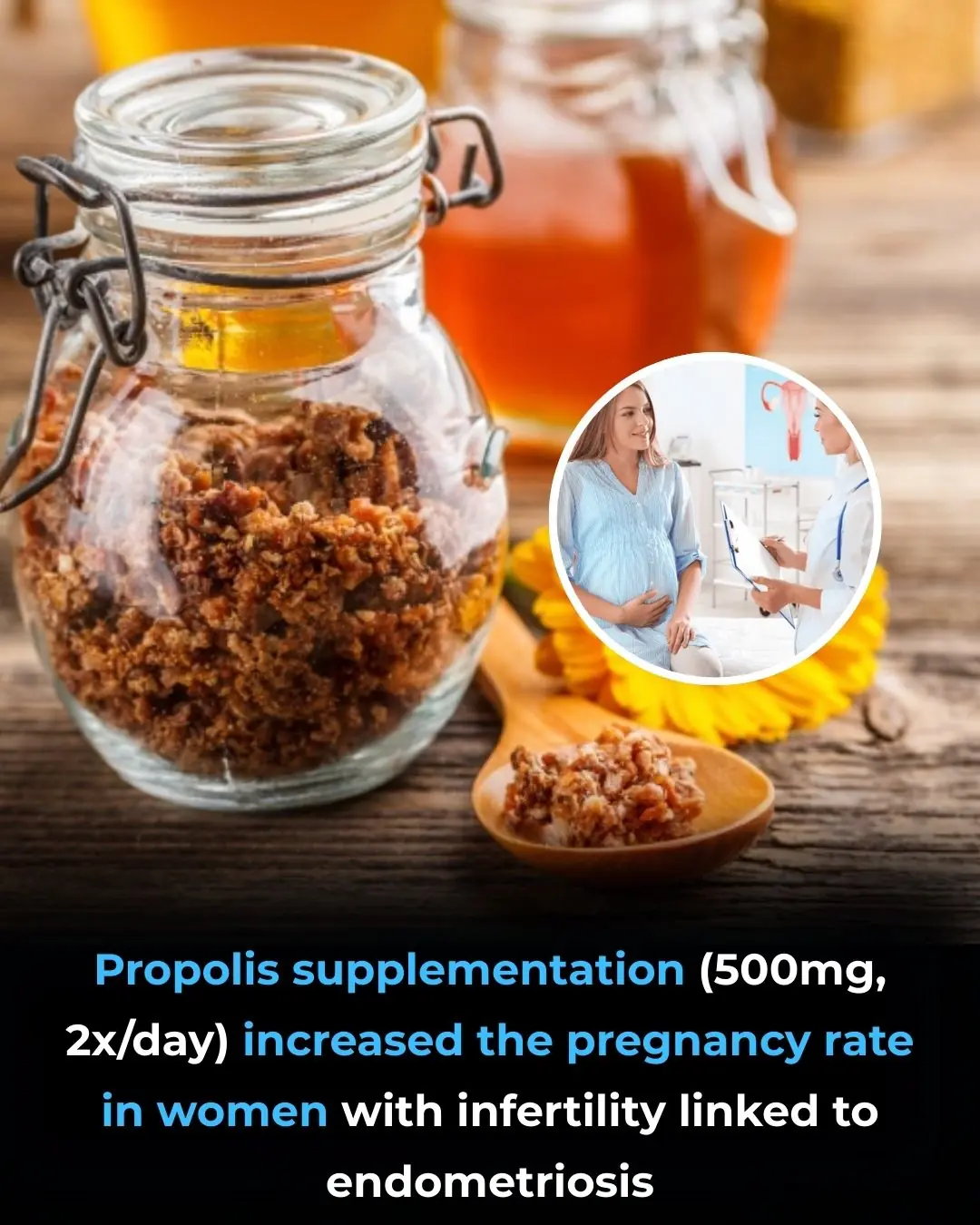
Bee Propolis and Infertility in Endometriosis: Evidence from a Pilot Randomized Clinical Trial
Health 28/12/2025 23:34
Atherosclerosis is a chronic inflammatory disease of the arterial wall and the underlying cause of most cardiovascular events worldwide. While conventional therapies such as statins effectively lower low-density lipoprotein (LDL) cholesterol, substantial residual cardiovascular risk remains, particularly from inflammatory pathways and genetically determined lipid factors such as lipoprotein(a) [Lp(a)]. Because Lp(a) levels are largely resistant to diet and standard lipid-lowering drugs, there is growing interest in adjunctive interventions that may target inflammation and vascular biology rather than cholesterol alone. A double-blind, placebo-controlled randomized clinical trial published in ARYA Atherosclerosis in 2020 provides important human evidence that ginger supplementation may beneficially influence these nontraditional cardiovascular risk markers.
The study, led by Hossein Babaahmadi-Rezaei and colleagues at Isfahan University of Medical Sciences, enrolled men with clinically diagnosed atherosclerosis. Participants were randomly assigned to receive either 1,600 mg of powdered ginger daily or a placebo for eight weeks. The double-blind design ensured that neither the participants nor the researchers knew who received ginger or placebo, reducing bias and strengthening the reliability of the results. Researchers measured advanced cardiovascular biomarkers before and after the intervention, focusing particularly on Lp(a) and high-sensitivity C-reactive protein (hs-CRP), a widely used marker of systemic inflammation and cardiovascular risk.
After eight weeks, the ginger group showed a statistically significant reduction in Lp(a), whereas no meaningful change was observed in the placebo group. This finding is especially notable because Lp(a) is a genetically influenced lipoprotein that contributes to atherosclerosis through pro-atherogenic, pro-inflammatory, and pro-thrombotic mechanisms. Elevated Lp(a) is considered an independent risk factor for cardiovascular disease, and until recently, there have been very few effective interventions capable of lowering it. The ability of ginger supplementation to reduce Lp(a) in a controlled human trial suggests a potentially novel mechanism of cardiovascular risk modification.
In addition to lowering Lp(a), ginger supplementation also significantly reduced hs-CRP levels, indicating a decrease in systemic inflammation. Chronic inflammation plays a central role in plaque formation, progression, and instability in atherosclerosis. Elevated hs-CRP is associated with higher risk of myocardial infarction and stroke, even when cholesterol levels are well controlled. The observed reduction in hs-CRP therefore suggests that ginger may exert anti-inflammatory effects relevant to vascular health and plaque stability.
Importantly, these benefits occurred without major changes in traditional lipid markers such as total cholesterol, LDL cholesterol, or triglycerides. This finding suggests that ginger does not act primarily as a cholesterol-lowering agent. Instead, its effects appear to operate through inflammatory and vascular pathways. Ginger contains bioactive compounds such as gingerols and shogaols, which have been shown in experimental studies to inhibit inflammatory signaling, reduce oxidative stress, and improve endothelial function. The clinical findings of reduced hs-CRP and Lp(a) are consistent with these mechanistic properties.
The study has several strengths, including its randomized, placebo-controlled, double-blind design and its focus on advanced cardiovascular risk markers rather than conventional lipids alone. However, it also has limitations. The intervention period was relatively short, and the sample size was modest. Long-term outcomes such as plaque progression, cardiovascular events, or mortality were not assessed. Therefore, while the results demonstrate meaningful biomarker improvements, they do not establish that ginger supplementation reduces heart attacks or strokes.
Nevertheless, the findings are clinically relevant. Patients with atherosclerosis often continue to face elevated inflammatory risk and high Lp(a) levels despite optimal standard therapy. The ability of a well-tolerated, food-derived supplement to favorably influence these difficult-to-modify risk factors highlights ginger’s potential role as an adjunct, rather than a replacement, for established cardiovascular treatments.
In conclusion, the 2020 double-blind randomized clinical trial published in ARYA Atherosclerosis demonstrates that daily supplementation with 1,600 mg of ginger significantly reduces Lp(a) and hs-CRP in men with atherosclerosis (ARYA Atherosclerosis, 2020). By targeting inflammation and genetically driven lipoprotein risk rather than traditional cholesterol pathways, ginger may offer a complementary strategy for managing residual cardiovascular risk. Larger and longer-term clinical trials are warranted to determine whether these biomarker improvements translate into reduced cardiovascular events and improved long-term outcomes.











How to Choose Fresh and Delicious Pork: Should You Pick Lighter or Darker Pieces?