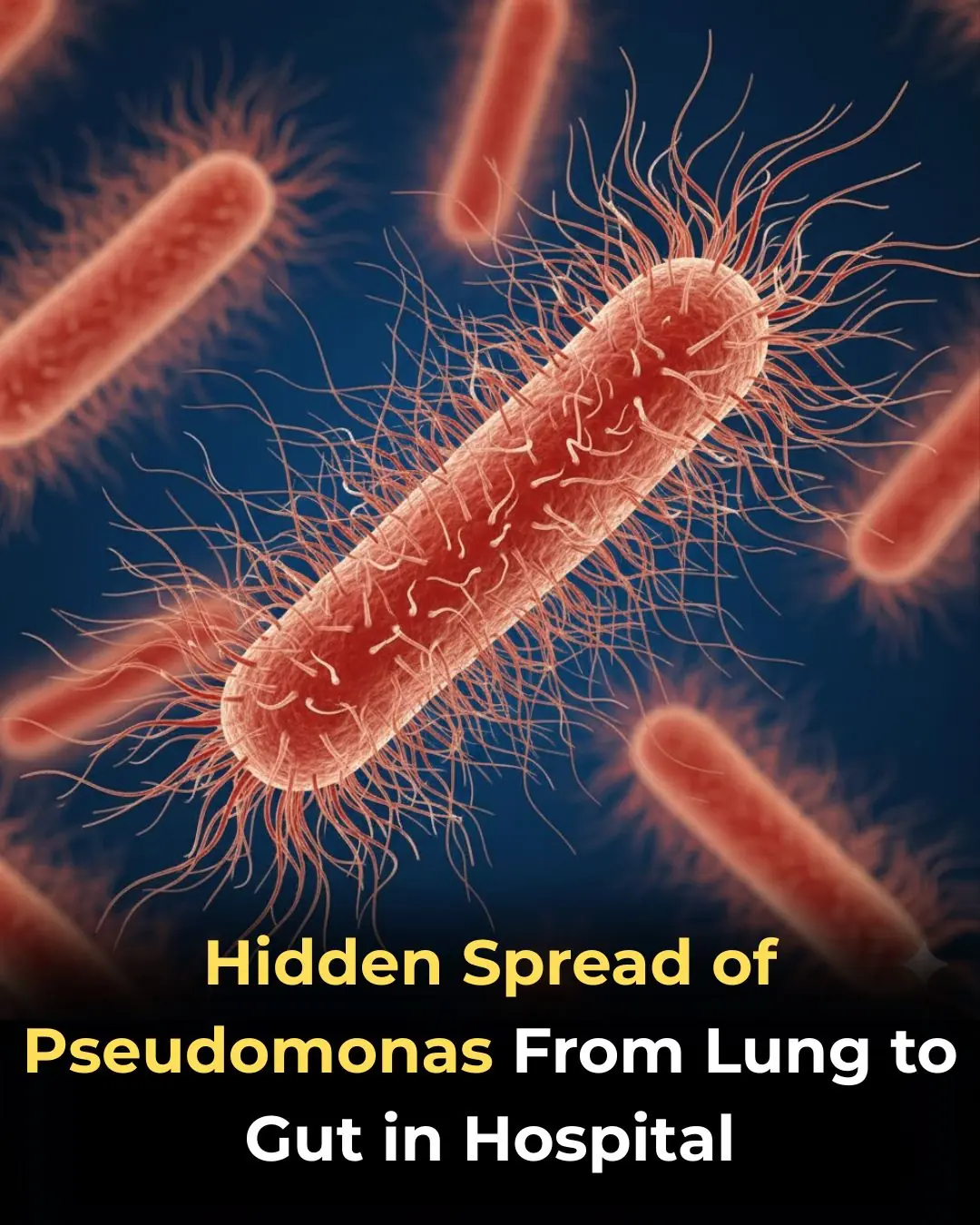
Hospital-acquired infections remain one of the most persistent challenges in modern medicine, particularly among critically ill and immunocompromised patients. Among the most concerning pathogens is Pseudomonas aeruginosa, a highly adaptable, opportunistic bacterium known for its resistance to antibiotics and its ability to cause severe, life-threatening infections. New research published in Nature Communications sheds light on a previously underappreciated mechanism by which this organism spreads within hospitalized patients—through internal translocation between organs rather than repeated exposure from the hospital environment.
Understanding Pseudomonas aeruginosa
Pseudomonas aeruginosa is a gram-negative bacterium commonly found in water, soil, and healthcare environments. In hospitals, it is a frequent cause of pneumonia, bloodstream infections, urinary tract infections, and surgical site infections. The pathogen poses particular danger to patients in intensive care units, those on mechanical ventilation, individuals with weakened immune systems, and patients receiving broad-spectrum antibiotics.
Traditionally, hospital infection control efforts have focused on preventing environmental acquisition—reducing exposure through hand hygiene, equipment sterilization, and isolation protocols. However, the new findings suggest that this approach alone may overlook a critical pathway of infection progression.
The Study: Tracing the Pathogen’s Movement
In the Nature Communications study, researchers conducted a detailed genomic analysis of Pseudomonas aeruginosa isolates collected from hospitalized patients who were colonized in multiple body sites, including the lungs, gastrointestinal tract, bloodstream, and other organs. Using advanced sequencing techniques, the investigators were able to determine whether infections arose from repeated external exposure or from internal spread within the same patient.
The results were striking. In more than half of the cases involving colonization of multiple organs, the pattern of infection was driven by internal bacterial translocation—movement of the same bacterial strain from one organ system to another—rather than repeated acquisition from the hospital environment.
Lung-to-Gut Translocation: A Critical Pathway
One of the most notable findings was the frequent spread of Pseudomonas aeruginosa from the lungs to the gut. Patients with ventilator-associated pneumonia or respiratory colonization often developed gastrointestinal colonization with genetically identical bacterial strains. This suggests that once Pseudomonas establishes itself in the respiratory tract, it can migrate internally, likely through swallowing of respiratory secretions or disruption of normal mucosal barriers.
This lung-to-gut spread has important clinical implications. The gastrointestinal tract can serve as a bacterial reservoir, allowing the pathogen to persist silently before seeding other organs, including the bloodstream.
Increased Risk of Sepsis
The study also found that multi-organ colonization driven by internal translocation was associated with a higher risk of sepsis, a life-threatening condition characterized by systemic inflammation and organ dysfunction. When Pseudomonas aeruginosa spreads internally, it may evade early detection, leading to delayed treatment and worse outcomes.
Sepsis caused by Pseudomonas is particularly difficult to manage due to the organism’s intrinsic and acquired antibiotic resistance. Understanding how the bacterium disseminates within the body could help clinicians identify high-risk patients earlier and intervene more effectively.
Rethinking Infection Control Strategies
These findings challenge the long-standing assumption that most hospital-acquired Pseudomonas infections result from repeated environmental exposure. While environmental transmission remains important, the study highlights the need to also address within-host bacterial evolution and migration.
Potential implications for clinical practice include:
-
Closer monitoring of patients colonized with Pseudomonas aeruginosa, even if infection appears localized
-
Greater attention to gastrointestinal colonization as a source of future invasive infection
-
Reconsideration of antibiotic strategies that may disrupt gut microbiota and facilitate bacterial overgrowth
-
Development of interventions aimed at preventing internal bacterial translocation
The Role of the Microbiome
The research also underscores the importance of the gut microbiome in protecting against opportunistic pathogens. Broad-spectrum antibiotics, commonly used in hospitalized patients, can disrupt normal microbial balance, creating an environment in which Pseudomonas aeruginosa can thrive and spread.
Preserving or restoring microbial diversity through targeted antibiotic use, probiotics, or microbiome-based therapies may become an important component of infection prevention in the future.
Looking Ahead
The discovery that Pseudomonas aeruginosa often spreads internally rather than being repeatedly acquired from the hospital environment represents a significant shift in how clinicians and researchers understand hospital-associated infections. It emphasizes the need for a more holistic, patient-centered approach that considers the body as an interconnected ecosystem rather than a collection of isolated organs.
As antibiotic resistance continues to rise, insights into bacterial behavior within the human host will be essential for developing smarter, more effective prevention and treatment strategies. This study offers a crucial step forward, revealing that sometimes the most dangerous spread of infection is not from the outside in—but from within.