
Bee Propolis and Infertility in Endometriosis: Evidence from a Pilot Randomized Clinical Trial
Health 28/12/2025 23:34

Athletes are often very aware of the importance of electrolytes for hydration, endurance, and performance. However, many people outside the athletic world rarely think about electrolytes—even though maintaining a proper electrolyte balance is essential for long-term health. One of the most important electrolytes your body depends on is potassium.
Electrolytes are minerals found in your body fluids and cells that carry an electrical charge. They are essential for regulating fluid balance, nerve signaling, muscle contraction, and many other vital processes. Potassium is one of the primary electrolytes in the body and plays a central role in maintaining healthy electrical activity throughout the nervous and muscular systems.
The majority of potassium in your body—about 98%—is stored inside your cells, while only around 2% circulates in the bloodstream. Because blood potassium levels are kept within a very narrow range, even small imbalances can have serious consequences for your health.
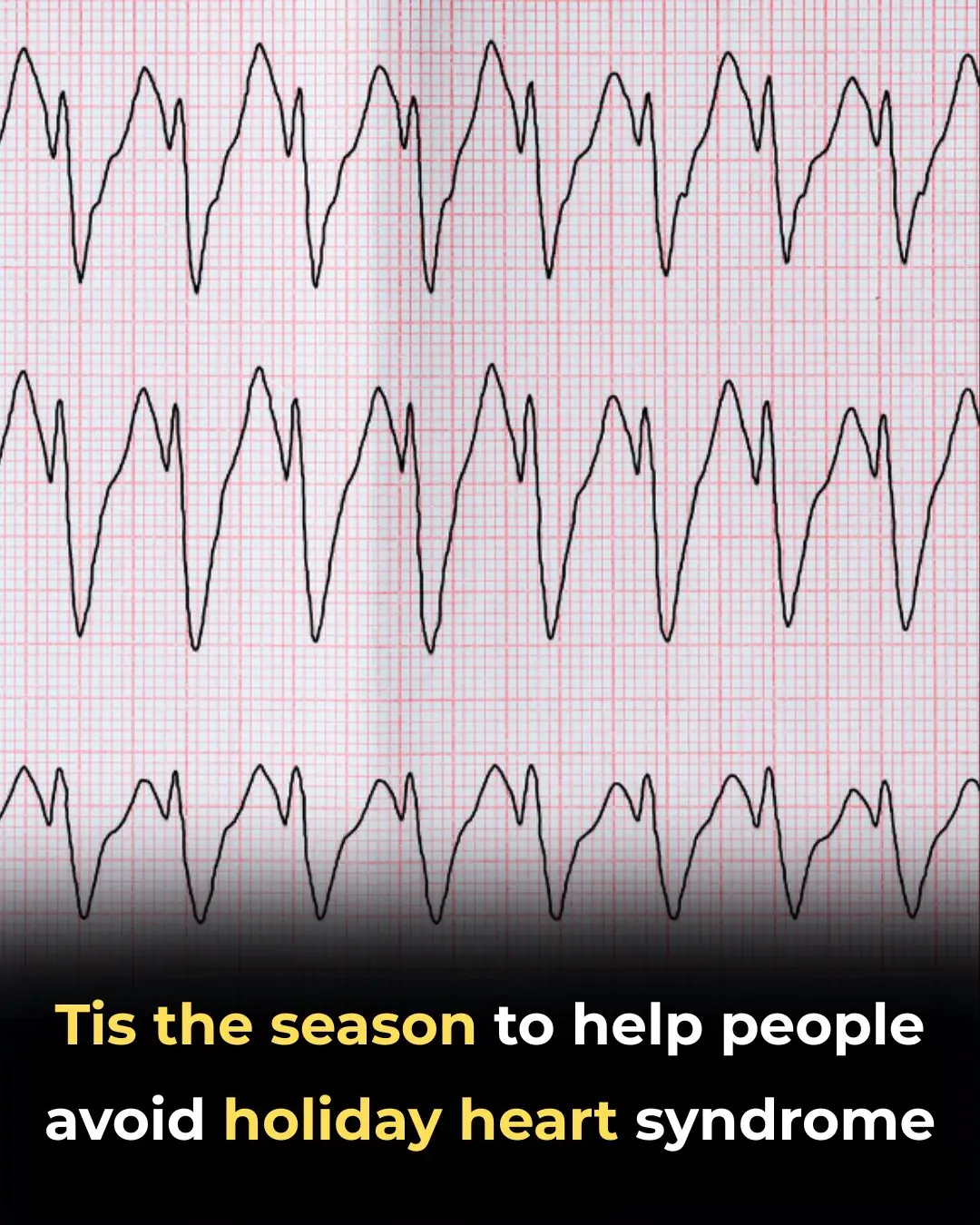
Potassium is essential for electrical signaling in the body. These electrical impulses allow muscles to contract, nerves to communicate, and the heart to beat in a regular rhythm. Without adequate potassium, these signals can become disrupted, leading to weakness, irregular muscle function, and potentially dangerous heart rhythm disturbances.
Since the heart is essentially a specialized muscle that relies on precise electrical signals, potassium is particularly important for maintaining a steady heartbeat and overall cardiovascular health. This is why potassium imbalances are taken very seriously in medical settings.
Most people who follow a balanced, nutrient-rich diet can obtain sufficient potassium from food. However, modern dietary habits—especially diets high in processed foods—often fall short in providing adequate potassium.
Several additional factors can contribute to low potassium levels:
Medications, especially diuretics, are one of the most common causes. Diuretics increase urine output to reduce fluid retention, but they can also cause the body to lose potassium at an accelerated rate.
Kidney function plays a critical role in regulating electrolyte balance. Kidney disease or impaired kidney function can disrupt potassium regulation and lead to deficiencies.
Excessive sweating, prolonged exercise, or exposure to high heat can cause potassium loss through sweat.
Laxative use and gastrointestinal conditions can interfere with potassium absorption.
Vomiting and diarrhea can cause short-term potassium loss. While the body often restores balance after brief illness, prolonged digestive problems can significantly deplete potassium stores.
For most people, increasing dietary potassium is sufficient to restore healthy levels. However, individuals with chronic illness or long-term medication use may require medical supervision or supplementation. Always consult a healthcare provider before taking potassium supplements, as excess potassium can be dangerous.
Magnesium and potassium are closely linked in the body. Studies suggest that between 68% and 80% of Americans do not consume enough magnesium, and magnesium deficiency often goes undiagnosed.
Magnesium is essential for the proper function of cellular pumps that transport potassium into cells. If magnesium levels are low, potassium cannot effectively enter the cells—even if potassium intake is high. In such cases, potassium supplementation alone may be ineffective or even risky.
This is why healthcare providers often recommend correcting magnesium deficiency alongside potassium treatment. Ensuring adequate magnesium intake is essential for maintaining proper potassium balance and cellular function.
One of the most concerning aspects of potassium deficiency is that its symptoms are often mild, vague, or easily dismissed. As a result, hypokalemia can go unnoticed until it becomes severe or life-threatening.
Because potassium plays a key role in electrical signaling, symptoms often involve muscles, nerves, and the cardiovascular system.
Muscle cramps and spasms
Low potassium can cause cramps in the arms and legs, muscle stiffness, twitching, or involuntary contractions. Persistent cramping should be evaluated by a medical professional.
Heart palpitations
Irregular or rapid heartbeats can be a serious sign of low potassium and require immediate medical attention.
Frequent urination
Extreme thirst
General weakness and fatigue
Abdominal discomfort
This may include cramping, bloating, constipation, or digestive irregularities.
Tingling or numbness
Dizziness or fainting
These symptoms may indicate a more severe imbalance and should be treated urgently.
Low blood pressure
Mental and mood changes
Depression, confusion, hallucinations, or delirium can occur in severe cases of potassium deficiency.
A simple blood test can confirm potassium levels. If you experience several of these symptoms, seeking medical advice is strongly recommended. Once a deficiency is diagnosed, healthcare providers may investigate underlying causes to determine the most appropriate treatment.
One of the safest and most effective ways to maintain healthy potassium levels is through diet. Whole, unprocessed foods are typically the best sources of potassium.
Beet greens
Swiss chard
Spinach
Potatoes and sweet potatoes
Lima, pinto, and kidney beans
Lentils
Avocados
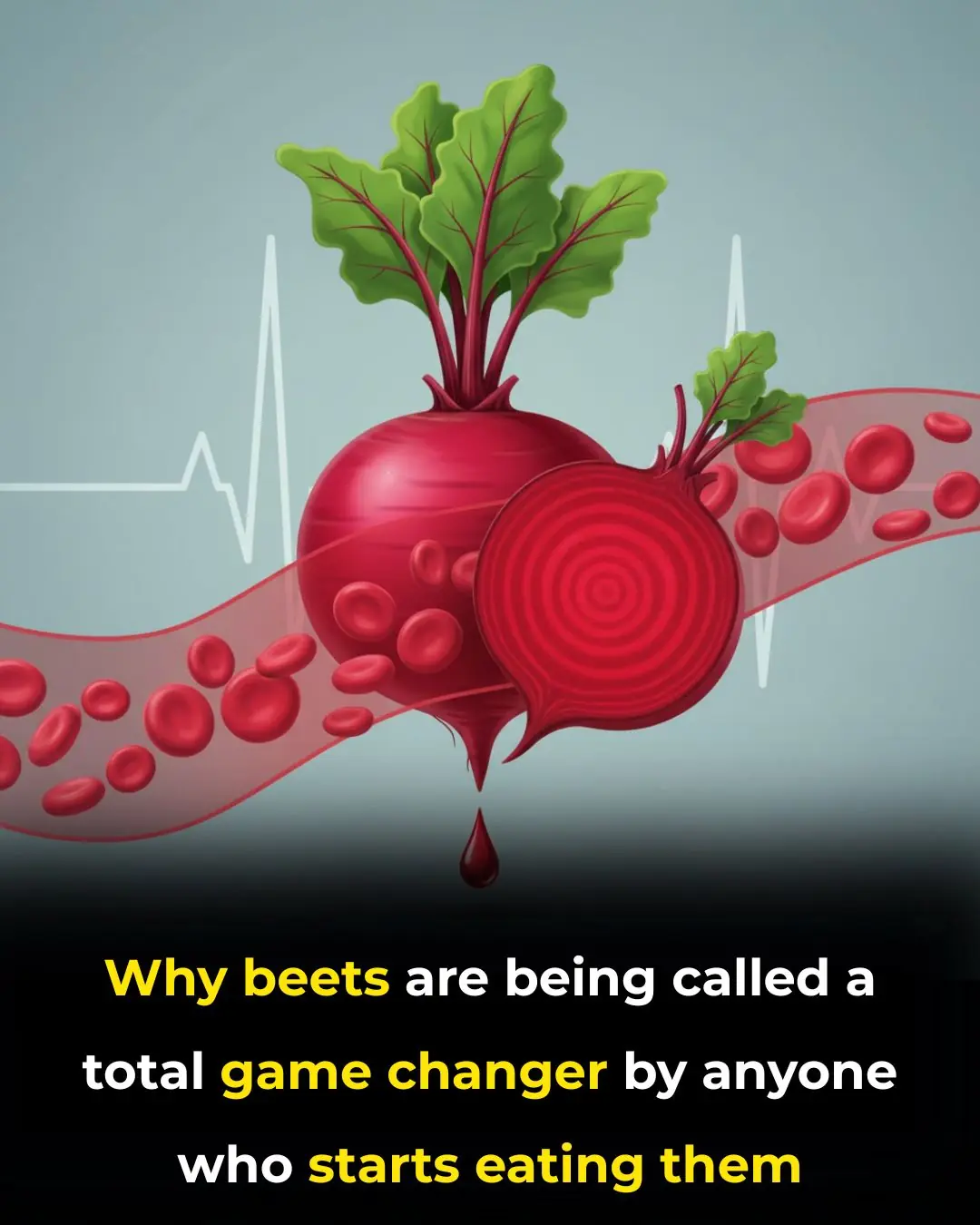
Additional potassium-rich foods include bok choy, beets, Brussels sprouts, broccoli, cantaloupe, tomatoes, papaya, bananas, squash, and nuts such as almonds and Brazil nuts.
For example, one cup of beet greens can provide up to 37% of your daily potassium needs, while a cup of spinach supplies nearly 25%. These vegetables also offer fiber, antioxidants, and other essential minerals, making them excellent choices for overall health.
It’s important to note that cooking methods can significantly affect potassium content. Boiling vegetables can cause potassium to leach into the water, reducing their nutritional value. To preserve potassium:
Eat vegetables raw when possible
Use steaming instead of boiling
Reuse cooking water in soups or stews
Potassium is an essential electrolyte that supports muscle function, nerve signaling, heart rhythm, and fluid balance. Because symptoms of deficiency are often subtle, low potassium levels can go unnoticed until they become serious. Maintaining a diet rich in potassium—and ensuring adequate magnesium intake—is one of the most effective ways to support long-term health and prevent complications.










How to Choose Fresh and Delicious Pork: Should You Pick Lighter or Darker Pieces?