Tips for freezing tomatoes to enjoy year-round, keeping them fresh and delicious like they were just picked.
Tips 17/12/2025 18:51
Many people have the habit of blanching meat in boiling water before cooking, believing that this step helps remove harmful substances. But is this practice actually correct?
To prepare delicious meals and ensure food safety, homemakers pay great attention to selecting clean and fresh ingredients. It is commonly suggested that pork should be briefly blanched in boiling water before cooking to eliminate toxins, bacteria, and viruses. High temperatures are believed to kill harmful microorganisms. However, in reality, this method does not effectively remove toxins or impurities from meat and may even have negative effects on both nutrition and health.
Meat mainly contains protein and fat, while vitamins and amino acids are stored within muscle protein cells. When meat is not properly cleaned and is immediately blanched in hot water, the outer muscle fibers quickly contract. This causes dirt, blood residues, and impurities inside the meat to become trapped rather than released. As a result, these unwanted substances may be sealed inside the meat, reducing both its quality and safety.
To ensure meat is clean and flavorful, the first step after purchasing it is to rinse it thoroughly under clean running water several times. After that, you can rub the meat with salt or soak it briefly in diluted salt water, then rinse again with clean water.
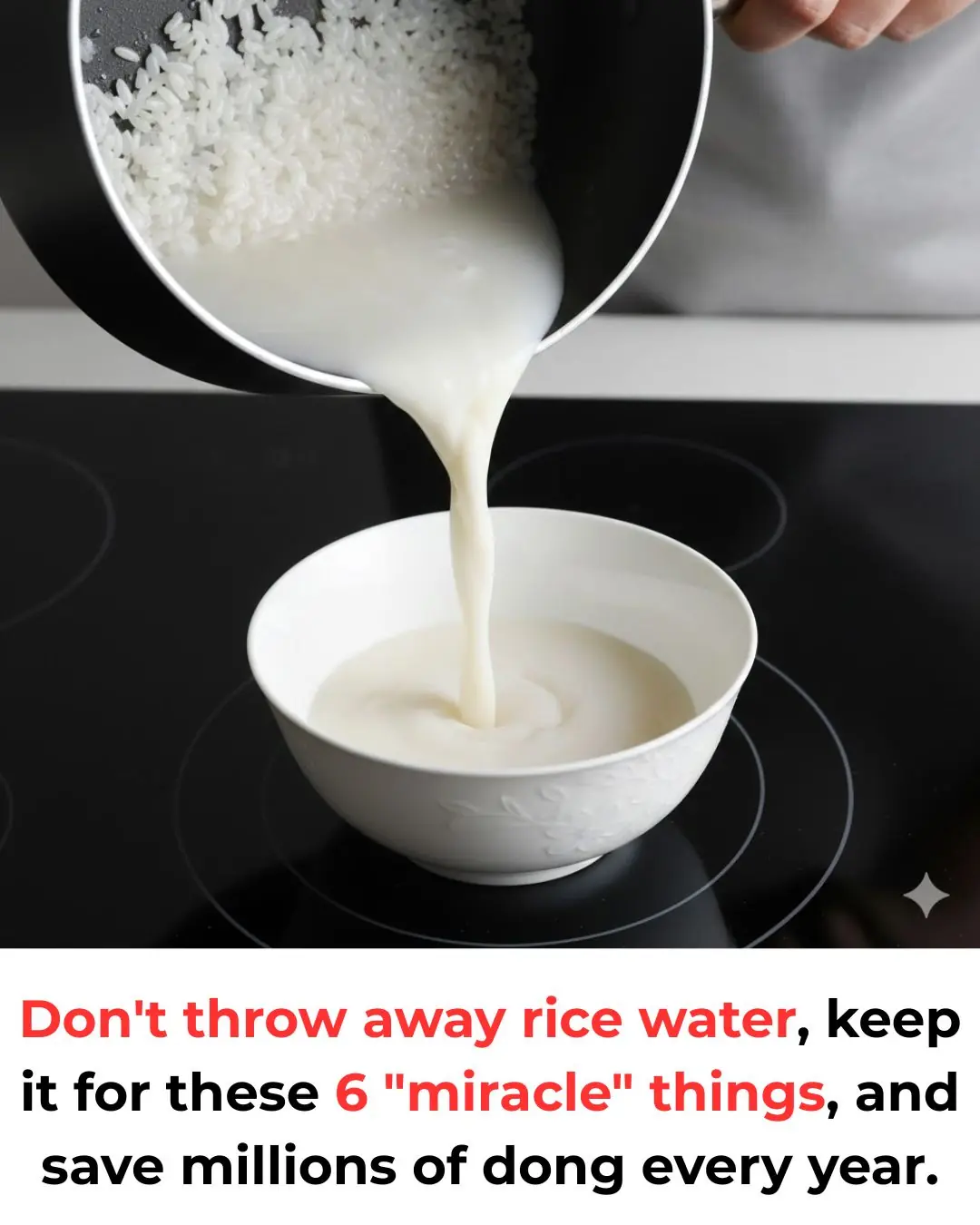
Another effective method is soaking meat or bones in rice-washing water for about one hour. This traditional technique helps remove surface dirt, excess blood, and bone marrow residue while also reducing unpleasant odors, making dishes more aromatic and appealing.
Alternatively, meat or bones can be soaked in a bowl of water mixed with a small amount of white vinegar for around 15 minutes. After soaking, rinse well and allow the meat to drain before cooking. Vinegar helps soften the meat and effectively removes residual blood, improving both texture and taste.
Some people prefer boiling meat starting with cold water, while others add meat directly to boiling water. So which method produces better flavor and is healthier?
Boiling meat in hot water helps preserve its natural sweetness and nutrients because the meat cooks faster and is not exposed to prolonged heat. On the other hand, when meat is boiled starting from cold water, the meat itself may be less flavorful, but the broth becomes richer and more nutritious as nutrients are gradually released into the water. This broth can be reused to prepare soups or other dishes.
Therefore, the choice depends on your cooking purpose. During boiling, if foam or scum appears on the surface, it should be skimmed off with a spoon to ensure clarity and better taste.
To enhance aroma and eliminate unpleasant odors, you can add roasted shallots, ginger, lemongrass, or other fragrant ingredients while cooking the meat.
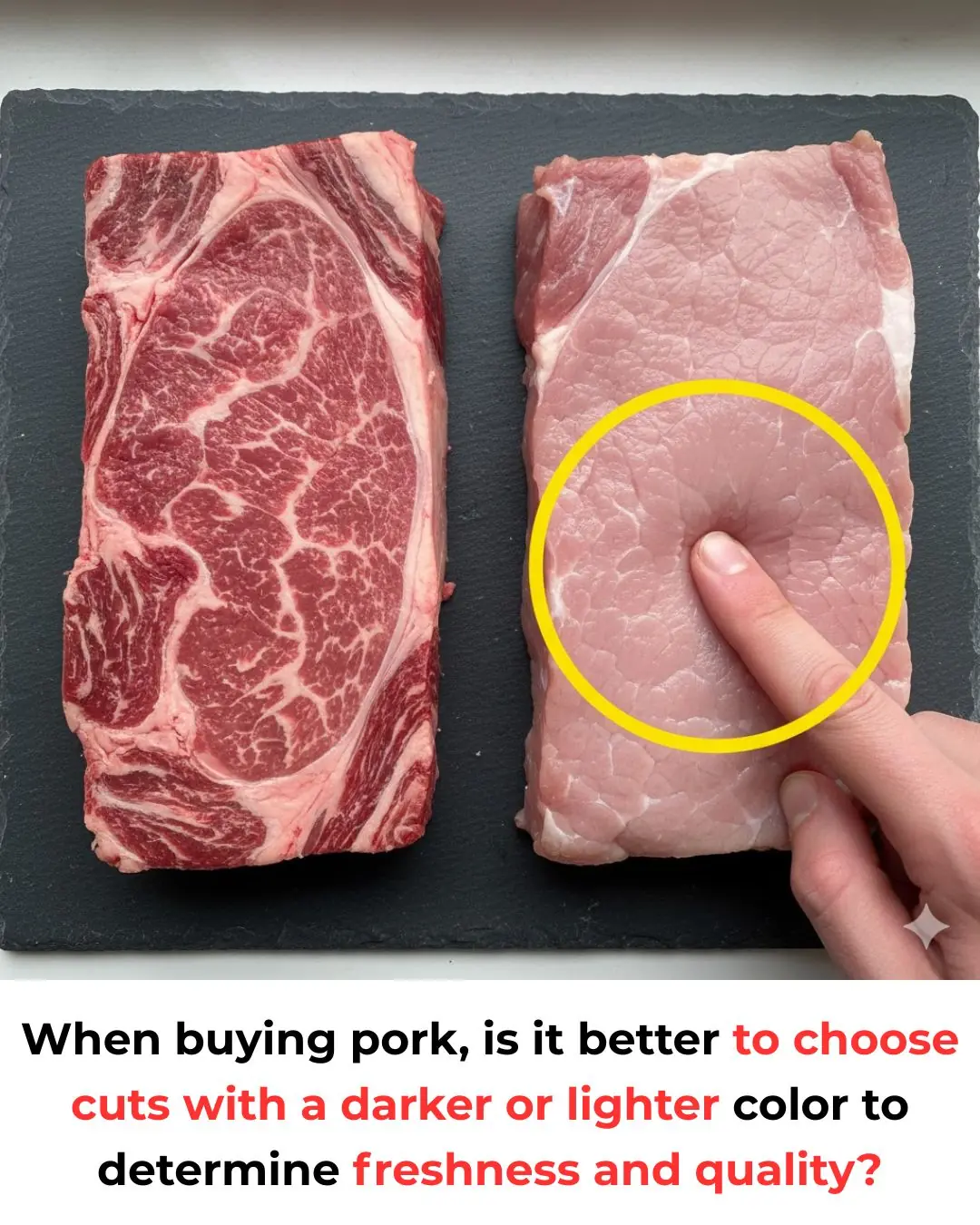
When buying pork, carefully observe its color and smell. High-quality pork typically ranges from light pink to deep red and has no sour or rancid odor. When cut, the inside of the meat should appear dry, with firm muscle fibers. The skin should be soft, and the fat should be white or slightly ivory-colored, without a greasy or harsh smell. When boiled, good pork produces clear broth with large fat bubbles and minimal foam.
Fresh pork has excellent elasticity. When pressed with a finger, it should spring back immediately without leaving an indentation. The meat fibers should be firm, evenly textured, not mushy, and free from excessive moisture or sliminess—clear signs of freshness and quality.
Good-quality pork usually has a fat layer about 1.5 to 2 centimeters thick, firmly attached to the lean meat. When the fat and skin layers are excessively thick or loosely attached, it may indicate that the pig was raised using growth stimulants. Balanced fat and lean layers are a sign of naturally raised, healthier pork.