Coffee Consumption, Additives, and Mortality Risk: Evidence from a Large U.S. Cohort Study
Health 26/12/2025 23:42
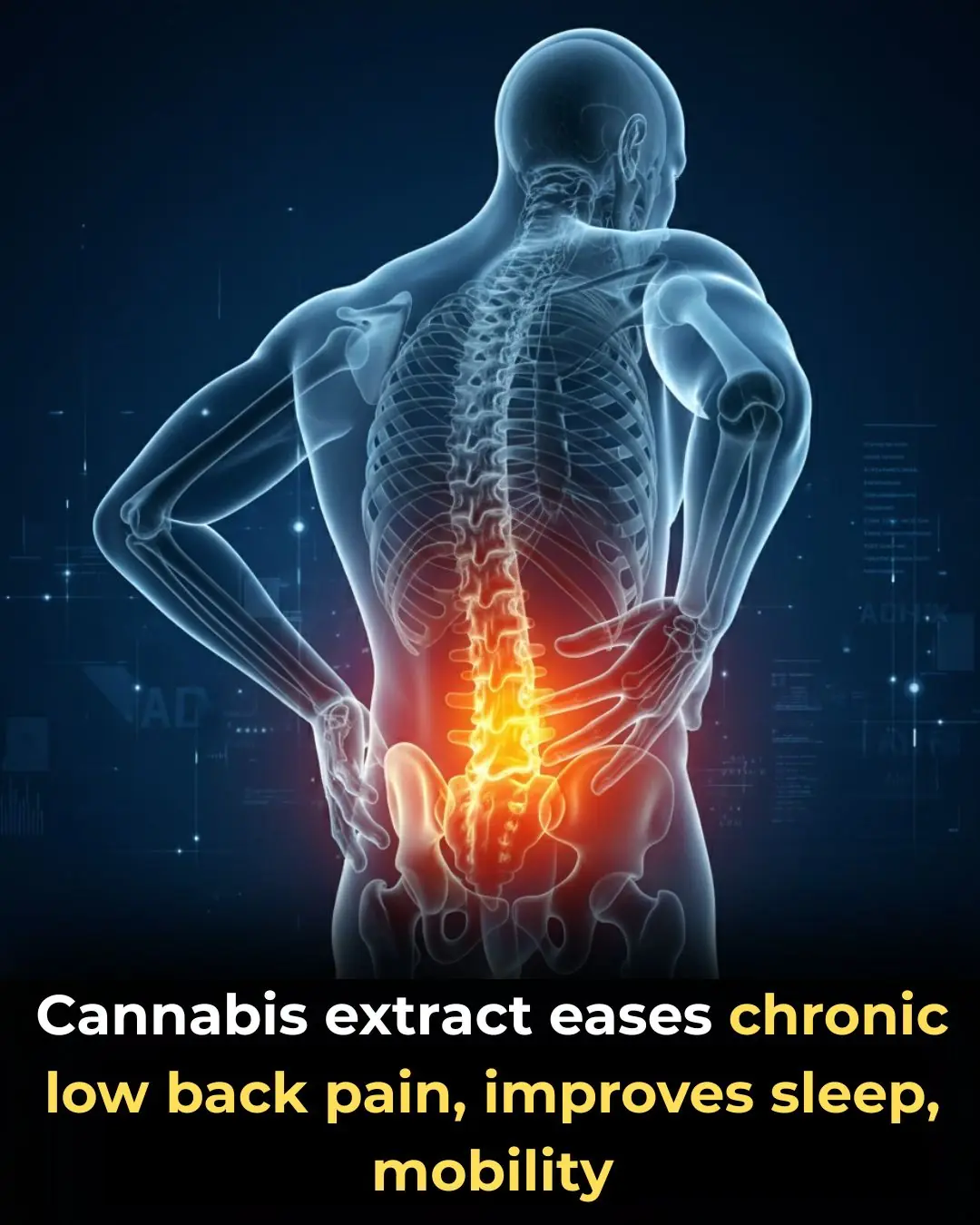
A cannabis-based extract may offer a safe and effective treatment option for adults living with chronic low back pain (CLBP), according to new phase 3 clinical trial data. The findings suggest that the therapy significantly reduces pain while also improving sleep quality and physical function—without evidence of serious adverse effects or addiction.
Chronic low back pain is one of the most common causes of disability worldwide and remains notoriously difficult to manage. Current treatments often rely on nonsteroidal anti-inflammatory drugs (NSAIDs), muscle relaxants, or opioids, all of which carry potential risks. The new data highlight cannabis-derived therapy as a possible alternative for long-term pain management.
CLBP affects millions of adults and is associated with impaired mobility, poor sleep, reduced quality of life, and high healthcare costs. Despite a wide range of available treatments, many patients experience inadequate pain relief or unacceptable side effects.
Opioid use, in particular, has raised concerns due to the risks of dependence, overdose, and long-term cognitive and physical harm. As a result, there is growing interest in non-opioid, non-addictive therapies that can address chronic pain while improving daily functioning.
Cannabis-based medicines have emerged as a potential candidate, but high-quality clinical evidence has been limited—until now.
The newly reported phase 3 study evaluated a standardized cannabis extract in adults with moderate to severe chronic low back pain that had persisted for several months or longer.
Adult participants with diagnosed CLBP
Assessment of pain intensity, sleep quality, and physical function
Monitoring for adverse effects, misuse, or signs of addiction
Longitudinal follow-up to assess sustained benefit
The cannabis extract contained carefully controlled cannabinoid concentrations to maximize therapeutic benefit while minimizing psychoactive effects.
Participants receiving the cannabis extract experienced a clinically meaningful reduction in pain intensity compared with baseline. Many reported improved pain control during daily activities such as standing, walking, and bending.
Importantly, pain relief was sustained over time, suggesting that the treatment may be suitable for long-term use.
Sleep disturbances are common in patients with chronic pain and often worsen pain perception. The study found that patients treated with the cannabis extract reported:
Faster sleep onset
Fewer nighttime awakenings
Improved overall sleep quality
Better sleep was strongly associated with improved daytime functioning and reduced fatigue.
Beyond pain relief, patients showed improvements in physical function and mobility, including:
Increased ability to perform daily tasks
Improved range of motion
Reduced stiffness and discomfort during movement
These functional gains are particularly important, as improved mobility can help prevent further deconditioning and disability.
One of the most notable findings of the trial was the absence of serious safety concerns.
No serious adverse events linked to the cannabis extract
Side effects were generally mild and transient
No evidence of drug misuse, dependency, or addiction
No opioid-like withdrawal symptoms observed
Researchers emphasized that the formulation and dosing strategy were designed to avoid the risks commonly associated with recreational cannabis use.
Cannabinoids interact with the body’s endocannabinoid system, which plays a role in pain modulation, inflammation, sleep regulation, and mood.
Potential mechanisms include:
Reduction of central and peripheral pain signaling
Anti-inflammatory effects
Muscle relaxation
Modulation of sleep-wake cycles
These combined effects may explain why patients experienced improvements across multiple domains, rather than pain relief alone.
Experts note that these findings represent a significant step forward in cannabis research for chronic pain.
If confirmed by further studies, cannabis extracts could:
Reduce reliance on opioids
Provide a safer long-term pain management option
Improve overall quality of life for patients with CLBP
However, clinicians caution that cannabis-based therapies should be standardized, regulated, and evidence-based, rather than relying on unregulated products with variable potency and purity.
While promising, researchers acknowledged several limitations:
Longer follow-up is needed to assess durability of benefit
Comparative studies versus standard therapies are required
Optimal dosing strategies need further refinement
Future research will also explore whether similar benefits extend to other chronic pain conditions, such as osteoarthritis, neuropathic pain, and fibromyalgia.
New phase 3 data suggest that a cannabis extract can safely reduce pain and improve sleep and mobility in adults with chronic low back pain—without serious side effects or addiction risk. As the search for effective non-opioid pain treatments continues, cannabis-based therapies may represent a valuable addition to the chronic pain management toolkit.
Further research and regulatory guidance will be essential, but these findings mark an important milestone in the evolving role of medical cannabis in evidence-based care.