Colonoscopy: The key question you should ask your doctor before the procedure
Why the Word “Colonoscopy” Triggers So Much Anxiety
For many, just hearing the word “colonoscopy” is enough to trigger fear or anxiety. Due to embarrassment and misconceptions, a significant number of people decide to postpone or forego the examination altogether. Truth is, however, that the procedure is nowhere near as disgusting as — or as bad as — the hype would have you believe.
When a healthcare professional gives a recommendation, it is not made hastily; it is a purposeful action to protect your health and detect possible issues at an early stage.
The One Question You Should Ask Before Saying “I Don’t Want to Do It”
If your doctors recommends colonoscopy, you can ease your mind by asking the simple question of why they are ordering the examination and what they are looking for.
As a patient, you have all the right to know what are your doctor’s doubts that led to the procedure before undergoing one. Understanding the reason helps you make informed decision about your own health.

What is Colonoscopy?
A colonoscopy is a test that helps identify what’s affecting your bowel, including diagnosis of bowel cancer. The large bowel is also known as the colon or large intestine.
During the procedure, a doctor inserts a thin, flexible tube with a small camera on the end, known as a colonoscope, to examine the inside of the large bowel. In some cases, the test can also view part of the small intestine.
Where Does the Fear Come From?
The fear associated with colonoscopies mainly comes from misinformation, as many picture the procedure as painful or distressing, but this is rarely the case.
During colonoscopy, the patient is usually sedated, so they don’t feel any pain or discomfort. The examination usually takes between 20 and 45 minutes, and the recovery is speedy. For most individuals, the most challenging aspect is not the procedure, but the preparation beforehand. Yes, it might feel uncomfortable, but this examination is crucial for ensuring accurate diagnosis.

Why Timing Matters
Getting a colonoscopy at the right time can save your life, especially if you are over 45, have a family history of colorectal cancer, or have been dealing with suspicious digestive symptoms. Nothing about this test is radical. On the contrary, it’s a common-sense prevention that can detect and treat abnormalities before they progress.
News in the same category


Kimchi Consumption and Immune Balance: Evidence from a Controlled Human Trial

Repurposing Itraconazole as an Anticancer Agent: Mechanisms and Clinical Potential

Maternal Vitamin D Status during Pregnancy and Neurocognitive Development in Early Childhood

Overnight Olfactory Enrichment as a Novel Strategy to Enhance Memory in Older Adults

Vitamin D as a Regulator of Energy Partitioning: Insights from Preclinical Research

A 30-year-old man suffered a stroke while showering: Here are 5 things to remember when showering in cold weather to avoid accidents

Itchy Breasts? Here Are 6 Health Issues That Could Be Behind It

Cannabis Extract Eases Chronic Low Back Pain, Improves Sleep and Mobility, Phase 3 Data Show

Beyond Weight Loss: GLP-1 Receptor Agonists Show Promise in Breast Cancer Outcomes

Shingles Vaccination Linked to Slower Dementia Progression and Reduced Mortality, Study Finds

‘Power Peeing’: What It Is and Why You Should Avoid I

Proven Health Benefits of Dates (Dried, Fresh, Medjool) – Science Based

DIY Turmeric & Ginger Shots to Fight Inflammation, Boost Immunity & Soothe Your Gut

White Bumps or Spots on Lips: Causes and Effective Treatments

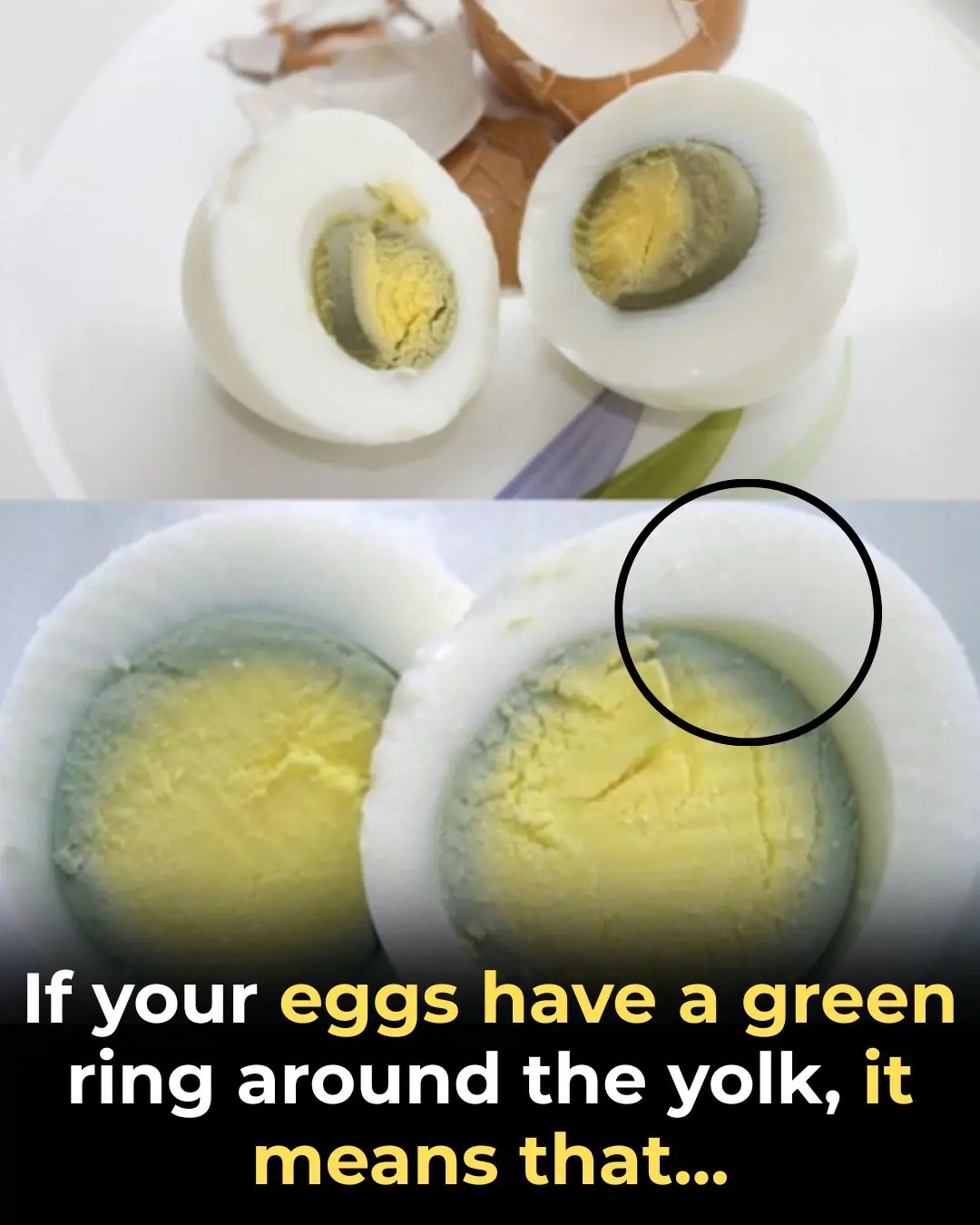
HealthWhy Your Hard-Boiled Eggs Have That Weird Green Ring

Why Your Blood Pressure Is Higher in the Morning

This 20-Minute Treadmill Workout Builds Strength After 50

The Best Times to Eat Yogurt for Effective Weight Loss and Gut Health
News Post

Coffee Consumption, Additives, and Mortality Risk: Evidence from a Large U.S. Cohort Study

Kimchi Consumption and Immune Balance: Evidence from a Controlled Human Trial

Repurposing Itraconazole as an Anticancer Agent: Mechanisms and Clinical Potential

Maternal Vitamin D Status during Pregnancy and Neurocognitive Development in Early Childhood

Overnight Olfactory Enrichment as a Novel Strategy to Enhance Memory in Older Adults

Vitamin D as a Regulator of Energy Partitioning: Insights from Preclinical Research

Soaking garlic in honey – a remedy more precious than gold, preventing a multitude of diseases

This type of leaf is called ginseng, detoxifying, and liver-cooling: it grows when you plant a cutting

6 ways to use menthol oil to repel mosquitoes effectively: Mosquitoes won't dare come near, and your house will smell fresh

Eating plenty of these 5 vegetables during the cold season helps boost immunity and effectively fight inflammation

A 30-year-old man suffered a stroke while showering: Here are 5 things to remember when showering in cold weather to avoid accidents

Discovery of a substance that triples the risk of cirrhosis: Present in many household items

Itchy Breasts? Here Are 6 Health Issues That Could Be Behind It

Cannabis Extract Eases Chronic Low Back Pain, Improves Sleep and Mobility, Phase 3 Data Show

Beyond Weight Loss: GLP-1 Receptor Agonists Show Promise in Breast Cancer Outcomes

Shingles Vaccination Linked to Slower Dementia Progression and Reduced Mortality, Study Finds

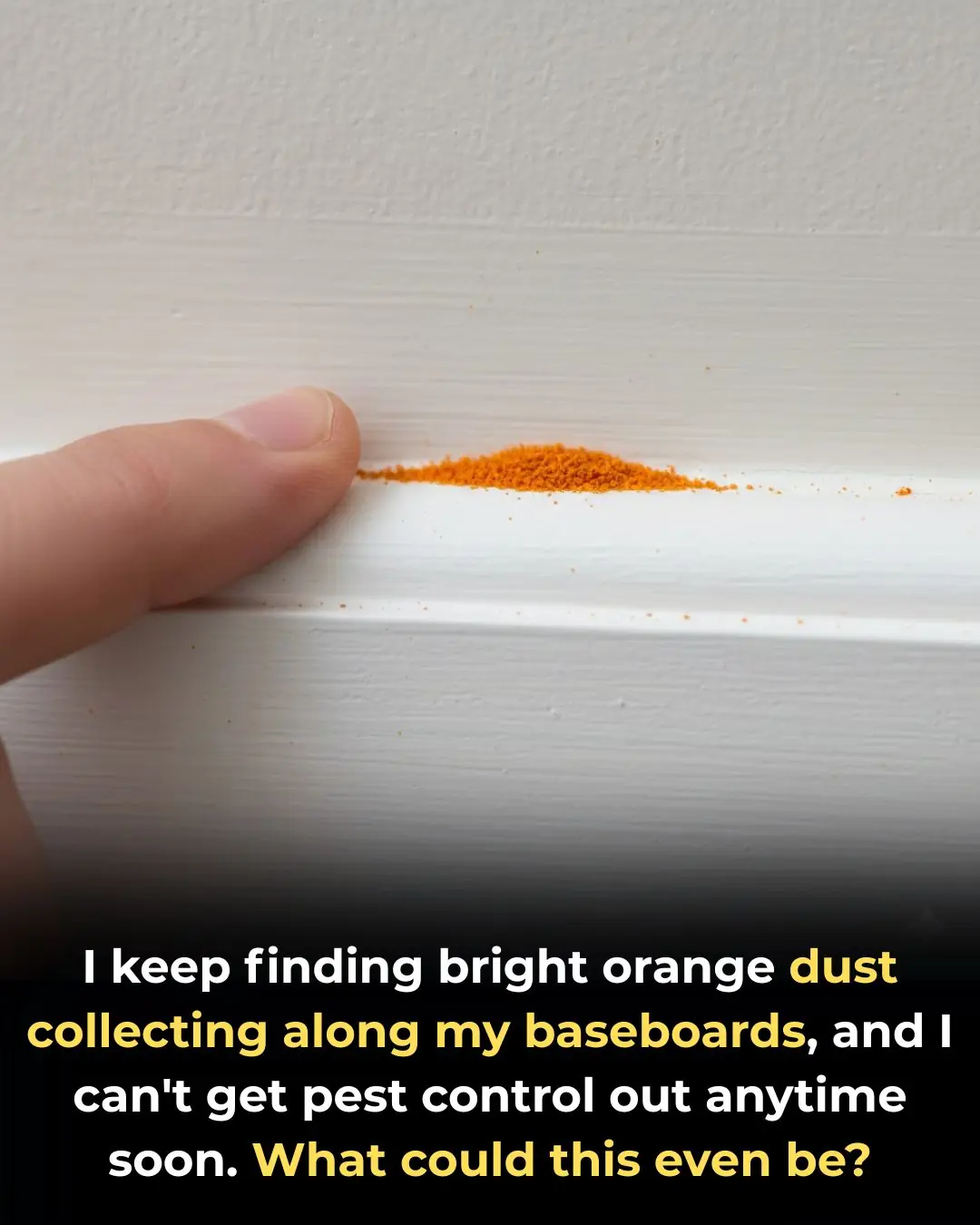
I keep finding bright orange dust collecting along my baseboards, and I can’t get pest control out anytime soon. What could this even be?

‘Power Peeing’: What It Is and Why You Should Avoid I