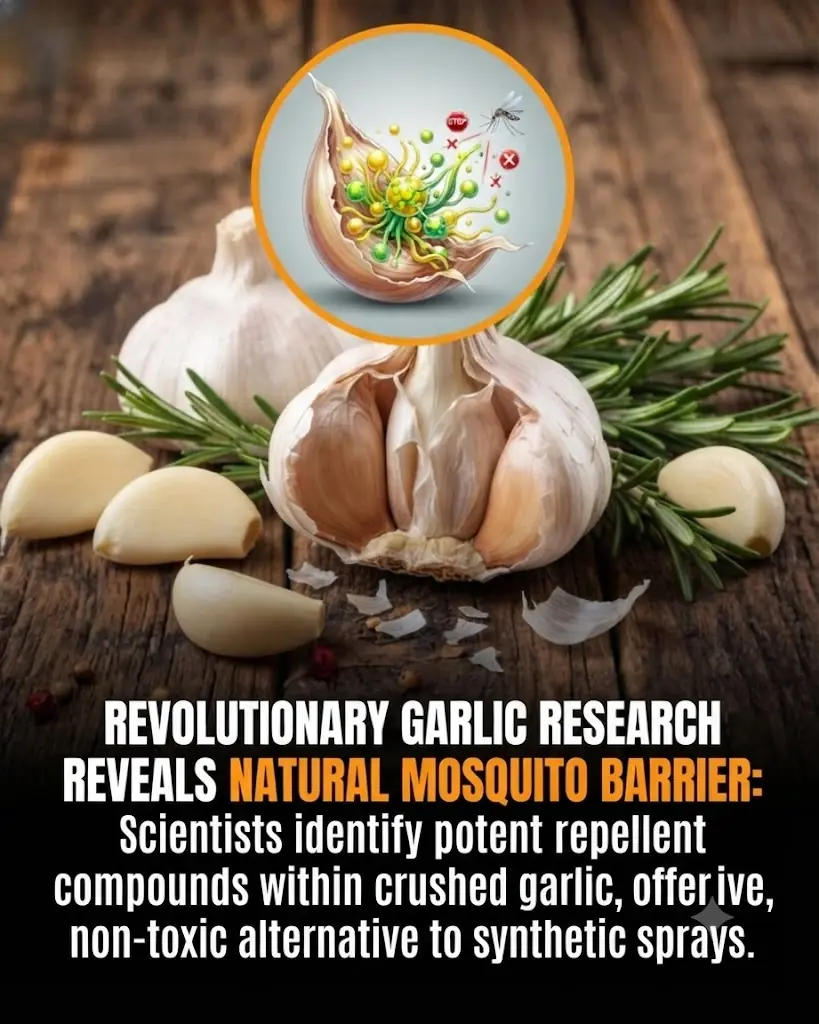
Scientists Discovered a Hidden Garlic Method That Could Make Mosquitoes Stay Away
Health 03/08/2026 17:10
Deadly Nightshade Atropa Belladonna is one of history’s most infamous toxic plants known for its beauty mystery and medicinal uses Despite its deadly nature it has been used in traditional medicine cosmetics and even poisons But what makes it so dangerous Can it be used safely or should it be avoided Let’s explore its history effects and risks
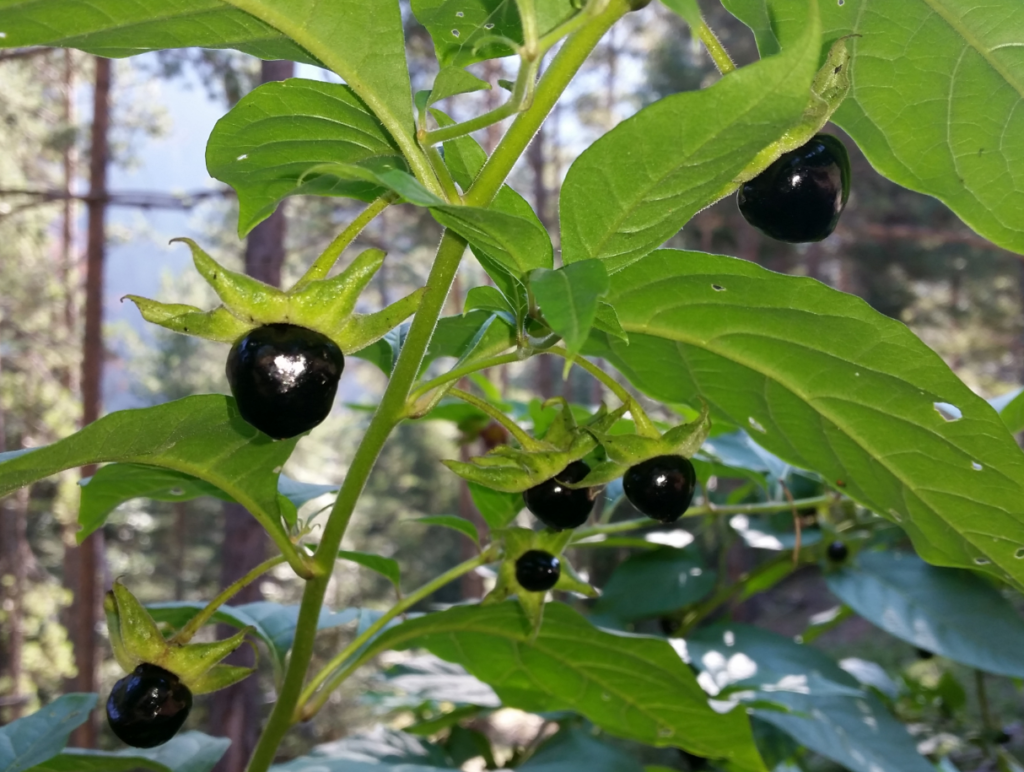
Deadly Nightshade Atropa Belladonna is a perennial plant from the nightshade family native to Europe North Africa and Western Asia With its dark purple berries and bell shaped flowers it looks beautiful but is extremely toxic every part of the plant contains deadly alkaloids
Atropine Affects the nervous system causing hallucinations rapid heartbeat and paralysis
Scopolamine Known for its mind altering effects used historically in poisons and sedatives
Hyoscyamine Disrupts neurological functions leading to severe poisoning or death in high doses
These alkaloids block neurotransmitters in the body leading to a variety of toxic effects from blurred vision and dry mouth to respiratory failure in severe cases

Deadly Nightshade has been used medicinally magically and lethally throughout history Here are some fascinating historical uses
 Used by poisoners and assassins to eliminate political enemies Romans poisoned their arrows with extracts from the plant
Associated with witches and potions believed to be an ingredient in flying ointments Used in hallucinogenic rituals causing visions and altered states of consciousness
The name Belladonna Italian for Beautiful Lady comes from its use in cosmetics Women dilated their pupils with belladonna extract to achieve a seductive look despite its toxic effects
Even small doses of Deadly Nightshade can cause severe poisoning Here’s what happens when someone ingests or comes into contact with the plant
Dry mouth and throat Blurred vision and dilated pupils Rapid heartbeat tachycardia Confusion and dizziness
Hallucinations and delirium Convulsions and muscle paralysis Difficulty breathing Coma and death in extreme cases
Children Attracted to the plant’s sweet looking berries which can be fatal in small amounts Pets and Livestock Accidental consumption can lead to severe poisoning Herbalists and Foragers Risk of misidentification when gathering wild plants
 Immediate medical attention is required if Deadly Nightshade poisoning is suspected
Despite its deadly reputation Atropa Belladonna has been used in controlled medical settings Modern pharmaceuticals extract atropine and scopolamine from the plant for legitimate medical purposes
Eye Dilation Drops Used by ophthalmologists to dilate pupils for eye exams Muscle Relaxants Helps with spasms and muscle disorders Motion Sickness Patches Scopolamine based patches prevent nausea and vomiting Antidote for Nerve Gas Exposure Atropine is used in emergency treatments for poisoning
Never attempt to use Deadly Nightshade without medical supervision Improper use can be fatal
Since Deadly Nightshade resembles edible berries it’s essential to know how to identify and avoid it in the wild
Flowers Bell shaped purple flowers with a greenish tint Leaves Large dark green oval shaped leaves Berries Glossy black berries sometimes mistaken for edible wild berries Height Can grow up to six feet tall
Never eat berries or leaves from an unknown plant Learn to distinguish Deadly Nightshade from edible nightshades such as tomatoes or blackberries Keep children and pets away from areas where Deadly Nightshade grows
As a Medicinal Plant Atropa Belladonna is used in modern medicine but only in controlled environments As a Garden Plant Some people grow it for ornamental or research purposes but extreme caution is required As a Wild Plant Avoid it at all costs if you’re foraging as even small doses can be deadly
While Deadly Nightshade is fascinating from a historical and medicinal perspective its toxic nature makes it a plant to admire from a distance rather than cultivate or consume
Highly toxic and dangerous to humans and animals Historically used for poison beauty and witchcraft Still has controlled medical applications today Should never be consumed or handled without expert knowledge