The Surprising Health Benefits of Boiled Eggs
Health 20/02/2026 19:03
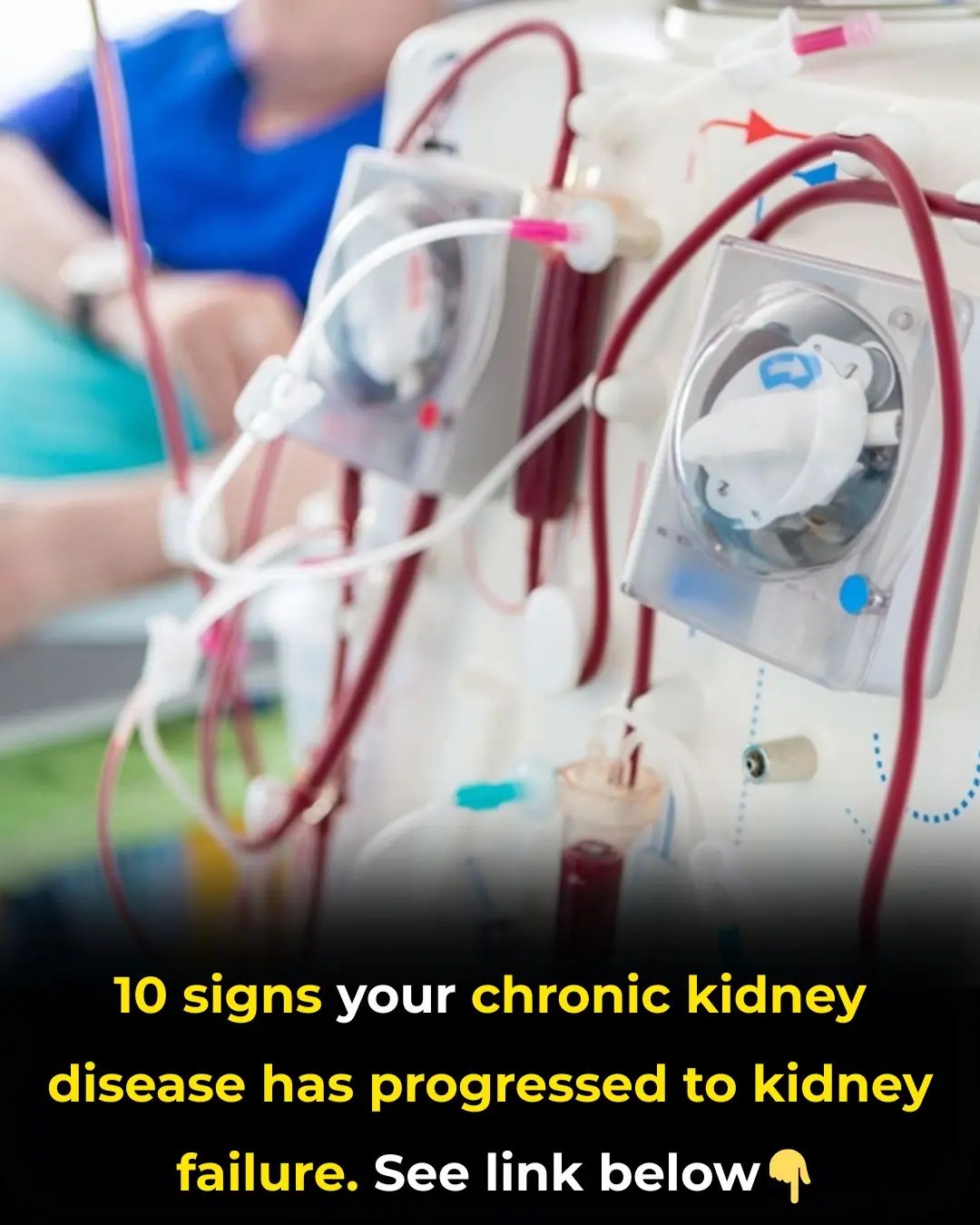
Your kidneys may be small — each about the size of your fist — but they perform an extraordinary workload every single day. These two bean-shaped organs filter roughly 50 gallons of blood daily, removing toxins, balancing fluids and electrolytes, regulating blood pressure, and helping activate vitamin D to support strong bones. In many ways, they function like highly sophisticated coffee filters. If the blood flowing through them is overloaded with harmful substances, over time those delicate filters can become damaged and less efficient.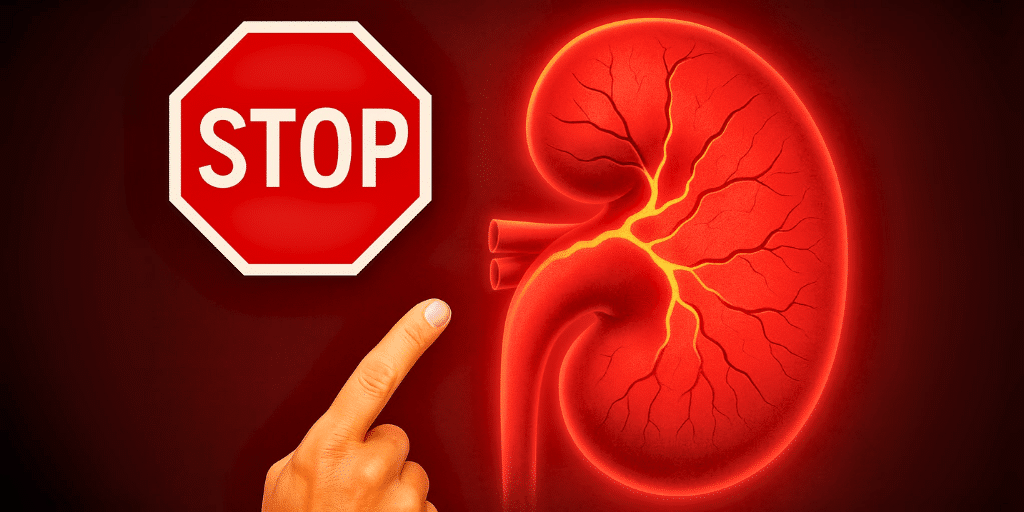
What makes kidney disease particularly dangerous is that it often develops silently. Many people do not realize there is a problem until significant damage has already occurred. Symptoms such as swelling in the legs or face, persistent fatigue, changes in urination, or foamy urine may not appear until up to 70–80% of kidney function has already been lost. Because early stages typically have no obvious warning signs, prevention and routine monitoring are essential.
Protecting your kidneys involves more than just reducing salt intake — although sodium control remains important. One of the most overlooked threats is the steady consumption of refined sugars and ultra-processed foods. Diets high in added sugars can contribute to insulin resistance, a condition in which the body’s cells respond poorly to insulin. Persistently elevated insulin levels may damage blood vessels and reduce nitric oxide, a molecule essential for healthy circulation.
When blood vessels stiffen and circulation becomes impaired, the tiny filtering units inside the kidneys — called nephrons — can suffer. Over time, this damage reduces the kidneys’ ability to filter waste efficiently. The process is gradual, similar to how repeated exposure to excessive sugar can harden and damage delicate tissues throughout the body.
Dehydration adds further strain. Without adequate water, blood becomes more concentrated, forcing the kidneys to work harder. Chronic dehydration can increase the risk of kidney stones and may contribute to long-term damage. Think of it like running a car engine without enough oil — friction increases, and components wear down faster.
Common medications can also play a role. Frequent or long-term use of NSAIDs (non-steroidal anti-inflammatory drugs), such as ibuprofen or naproxen, may reduce blood flow to the kidneys. In people with existing risk factors — including high blood pressure, diabetes, or older age — this can increase the likelihood of kidney injury.
Dietary habits matter as well. Processed meats often contain high levels of sodium, nitrates, and phosphates, all of which can increase the workload on the kidneys. Excessive intake of phosphate additives, commonly found in packaged foods and sodas, may disrupt mineral balance. Meanwhile, very high protein consumption — particularly from animal sources — can increase filtration pressure in the kidneys. While moderate protein is part of a healthy diet, consistently overloading the body may accelerate kidney stress, especially in individuals already at risk.
Diets high in refined sugars and processed foods may contribute to insulin resistance and kidney damage.
Chronic dehydration increases kidney strain.
Regular NSAID use can reduce kidney blood flow.
Processed meats and phosphate-heavy foods add extra workload.
Excessive protein intake may be harmful for those with existing kidney concerns.
The encouraging news is that kidneys are resilient organs. In early stages of stress or mild damage, lifestyle improvements can significantly support their function. Small, consistent changes often produce meaningful long-term benefits.
Begin your morning with water. Proper hydration supports filtration and helps flush out metabolic waste. While individual needs vary depending on body size, climate, and activity level, aiming for consistent fluid intake throughout the day is key. Replacing sugary drinks and sodas with water reduces both sugar load and unnecessary kidney strain.
Each glass of water acts like a gentle rinse for your internal filtration system.
A nutrient-dense, whole-food diet can help reduce inflammation and oxidative stress, both of which contribute to kidney damage.
Focus on:
Leafy greens such as spinach and kale (in moderation if potassium restriction is needed).
Cruciferous vegetables like broccoli and cauliflower.
Berries, including blueberries and strawberries, rich in antioxidants.
Garlic and turmeric, known for anti-inflammatory properties.
Citrus fruits such as lemons and limes, which may help reduce kidney stone risk in some individuals.
Antioxidant-rich foods help combat oxidative stress — a process that damages cells, including those in the kidneys. In simple terms, antioxidants act like internal “fire extinguishers,” calming inflammatory reactions before they cause harm.
Be cautious with:
Processed meats
Fast food
Energy drinks
Excessively salty snacks
Sugary beverages
Reading nutrition labels and reducing highly processed items can significantly decrease sodium, sugar, and additive intake.
Urine color can provide a basic hydration clue. Pale yellow generally suggests adequate hydration, while darker amber may indicate the need for more fluids. However, persistent changes in urination frequency, pain, blood in urine, or foamy appearance warrant medical evaluation.
Regular movement improves blood circulation, including blood flow through the kidneys. Even 15–20 minutes of walking daily can support cardiovascular health, stabilize blood sugar levels, and reduce blood pressure — all critical factors in kidney protection.
Physical activity also lowers the risk of two major causes of kidney disease: diabetes and hypertension.
Protein is essential for muscle repair, immunity, and overall health. However, more is not always better. Extremely high-protein diets can increase filtration pressure in the kidneys over time. If you have diabetes, high blood pressure, or a family history of kidney disease, consult a healthcare provider about appropriate protein levels tailored to your needs.
Your kidneys work continuously — 24 hours a day — without rest or recognition. They rarely signal distress until significant damage has occurred. That is why prevention, regular check-ups, and mindful daily habits are so important.
Every healthy choice matters: choosing water over soda, whole foods over processed snacks, movement over inactivity. These decisions may seem small, but they accumulate over time, protecting your kidneys from unnecessary strain.
By prioritizing hydration, balanced nutrition, physical activity, and responsible medication use, you can help preserve these essential filters for decades to come. Your kidneys are quietly working to keep you alive every second — taking care of them today is an investment in your long-term health and vitality.