Tick Eggs: How to Spot Them, Risks, and What to Do Next
Tips 12/12/2025 19:08
Washing machines were invented to reduce household labor, making it easier for families to wash, rinse, and dry their clothes. With a washing machine, daily chores become noticeably lighter and more convenient. However, like any frequently used appliance, washing machines can accumulate dirt over time. If not cleaned properly, the drum may start to develop unpleasant odors. Residue such as lint, detergent buildup, bacteria, and loose fabric fibers can stay inside the machine. When these impurities are not removed regularly, your laundry will no longer come out fully clean and may even carry a musty smell—especially if clothes are left inside the drum for too long after washing.
To prevent this issue, it’s important to pay attention to one small but essential component inside every washing machine: the lint or debris filter. When this filter becomes clogged and isn’t cleaned regularly, it can release accumulated dirt back onto your clothes. This leads to visible stains, lint sticking to fabrics, and an unpleasant odor that can linger even after drying.
Every washing machine is equipped with a filter designed to catch dust, fabric lint, and other debris during the washing process. When too much buildup collects inside, the filter becomes overloaded and can no longer trap debris effectively. Instead, the dirt may flow back into the water and settle on your clothes, leaving them with streaks or lint patches.
Fortunately, these lint filters are easy to remove and clean. Most users simply overlook them because they are small and not always in a visible spot. All you need to do is locate the filter, remove it, and wash it thoroughly using clean water and a soft brush. Once rinsed and dried, you can reinstall it in just a few seconds.
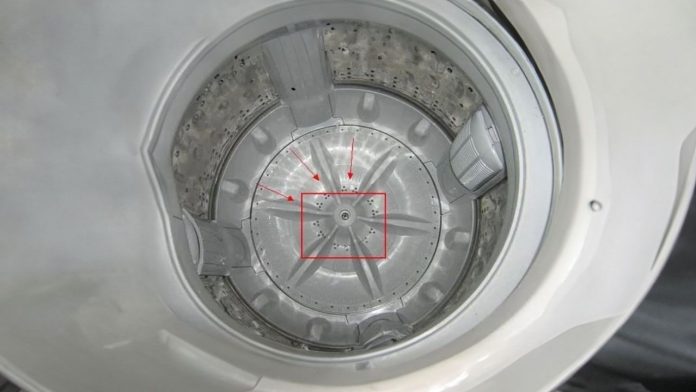
The design and location of the filter vary depending on the washing machine model. In front-loading machines, the filter is often located outside the drum, usually behind a small panel at the bottom corner of the machine, making it easy to spot. For top-loading machines, the lint filter is commonly found inside the drum, typically attached to the side or floating on the surface during the wash cycle.
Many top-loading machines have a raised section at the bottom of the drum. When you remove the small plastic cap, you’ll find a screw inside. Use a screwdriver to loosen it, lift the bottom cover, and remove the filter compartment. Dispose of the trapped debris, scrub the parts clean, and wipe the inner drum with a soft cloth. Finally, reassemble everything just the way it was.
Ideally, you should clean the filter once every month. Doing so helps maintain your washing machine’s cleanliness, ensures your clothes come out fresh and odor-free, and prolongs the lifespan of the appliance. A clean filter also improves washing efficiency and prevents bacteria buildup that can transfer onto your laundry.
From time to time, you can also pour a small amount of white vinegar into the drum and run a gentle cycle. This helps disinfect the drum, dissolve detergent residue, and keep the washing machine smelling fresh.
Many households, especially those where no one feels confident handling mechanical parts, tend to overlook the filter entirely. But regular cleaning is easy, safe, and crucial for maintaining hygiene. Once you develop the habit, you’ll notice that your clothes smell better, feel cleaner, and stay lint-free.