
Health 2026-02-10 14:31:15
FDA-Approved Eye Drops Offer a Non-Surgical Alternative for Age-Related Vision Loss
Prescription Eye Drops Offer a New Approach to Managing Age-Related Near Vision Loss
New prescription eye drops are providing an innovative way to manage age-related near-vision loss, medically known as presbyopia, by modifying how the pupil functions rather than changing the structure of the eye itself. Unlike traditional solutions such as glasses, contact lenses, or refractive surgery, these medications rely on a temporary optical adjustment to improve near vision.
Presbyopia is a natural part of aging that typically begins to affect adults in their 40s. Over time, the eye’s crystalline lens gradually loses flexibility, making it harder to focus on nearby objects. According to the American Academy of Ophthalmology (AAO), presbyopia affects nearly everyone as they age and currently impacts more than one billion people worldwide. The condition is not a disease but a predictable age-related change in visual function.
How the Drops Work
These new eye drops work by gently constricting the pupil, a mechanism known as pharmacologic miosis. By making the pupil smaller, the drops increase the eye’s depth of focus—similar to how narrowing a camera’s aperture improves clarity across different distances. This optical effect allows nearby objects to appear sharper without altering the shape of the cornea or lens.
Because the mechanism is optical rather than structural, the improvement in vision is temporary. However, it is also fast-acting. Many patients report noticeable improvement within minutes of application. The effect typically lasts between six and ten hours, making it suitable for daily activities that require close-up focus.
Clinical Evidence and Regulatory Approval
Clinical trials have shown promising results. Studies published in peer-reviewed journals such as JAMA Ophthalmology report that a significant proportion of participants experienced measurable improvement in near visual acuity without losing distance vision. Many users were able to read small text or perform detailed near-vision tasks for several hours after a single application.
One of the most widely recognized examples is Vuity, developed by AbbVie. In 2021, the U.S. Food and Drug Administration (FDA) approved Vuity as the first eye drop specifically indicated for the treatment of presbyopia in adults. According to FDA documentation, clinical trials demonstrated statistically significant improvement in near vision compared to placebo, particularly in individuals with mild to moderate presbyopia.
The approval marked an important milestone, as previous treatments primarily focused on optical devices rather than pharmaceutical solutions.
Who Benefits Most?
Eye specialists emphasize that these drops are not a cure for presbyopia and may not replace reading glasses for everyone. They tend to be most effective in individuals with early to moderate presbyopia. Patients with advanced presbyopia may still require glasses for optimal clarity, especially in prolonged reading or detailed work.
According to guidance from the American Academy of Ophthalmology, patients considering pupil-modulating drops should undergo a comprehensive eye examination to determine suitability. Factors such as overall eye health, lighting conditions, and visual demands can influence outcomes.
Safety and Side Effects
Reported side effects are generally mild and temporary. The most commonly observed reactions include eye redness, mild headache, and reduced vision in low-light conditions due to the smaller pupil size. Because the pupil remains constricted for several hours, night vision may be slightly diminished. However, large clinical trials reported that serious adverse effects were uncommon.
As with any prescription medication, ongoing monitoring and professional consultation are recommended. Experts advise patients to discuss expectations and possible risks with an ophthalmologist before beginning treatment.
A Potential Shift in Everyday Vision Care
If adoption becomes widespread, pupil-modulating eye drops could significantly change how millions of adults manage everyday near-vision tasks. Instead of relying solely on reading glasses, users may have a non-invasive, once-daily alternative for activities such as checking phone screens, reading menus in restaurants, reviewing documents, or examining product labels.
While glasses and contact lenses will likely remain essential tools in vision correction, pharmacological solutions represent an expanding frontier in eye care. As research continues and new formulations are developed, these drops may offer greater flexibility and convenience for aging populations worldwide.
Sources
-
American Academy of Ophthalmology (AAO) – Information on presbyopia and treatment options
-
U.S. Food and Drug Administration (FDA) – Approval announcement and clinical data for Vuity (2021)
-
JAMA Ophthalmology – Clinical trial results on pilocarpine ophthalmic solution for presbyopia
-
World Health Organization (WHO) – Global data on vision impairment and aging populations
-
AbbVie – Official prescribing and clinical information for Vuity
News in the same category

20 Subtle Cancer Symptoms Commonly Missed

5 Traits Women With Small Social Circles Often Share
Head Injuries May Show Delayed Symptoms, Experts Warn

3 Evening Habits That Are Silently Stealing Your Lifespan

The Nose Knows: Can Your Sense of Smell Predict Death?
Why You Naturally Sleep With One Foot Outside the Blanket – The Surprising Science Behind It

The Silent Culprit That Keeps Your Stomach From Healing (And Most People Ignore It)

10 Warning Signs of Pancreatic Cancer You Should Never Ignore
Blood Pressure Drug Recalled After Cancer-Causing Chemicals Detected: What You Need to Know
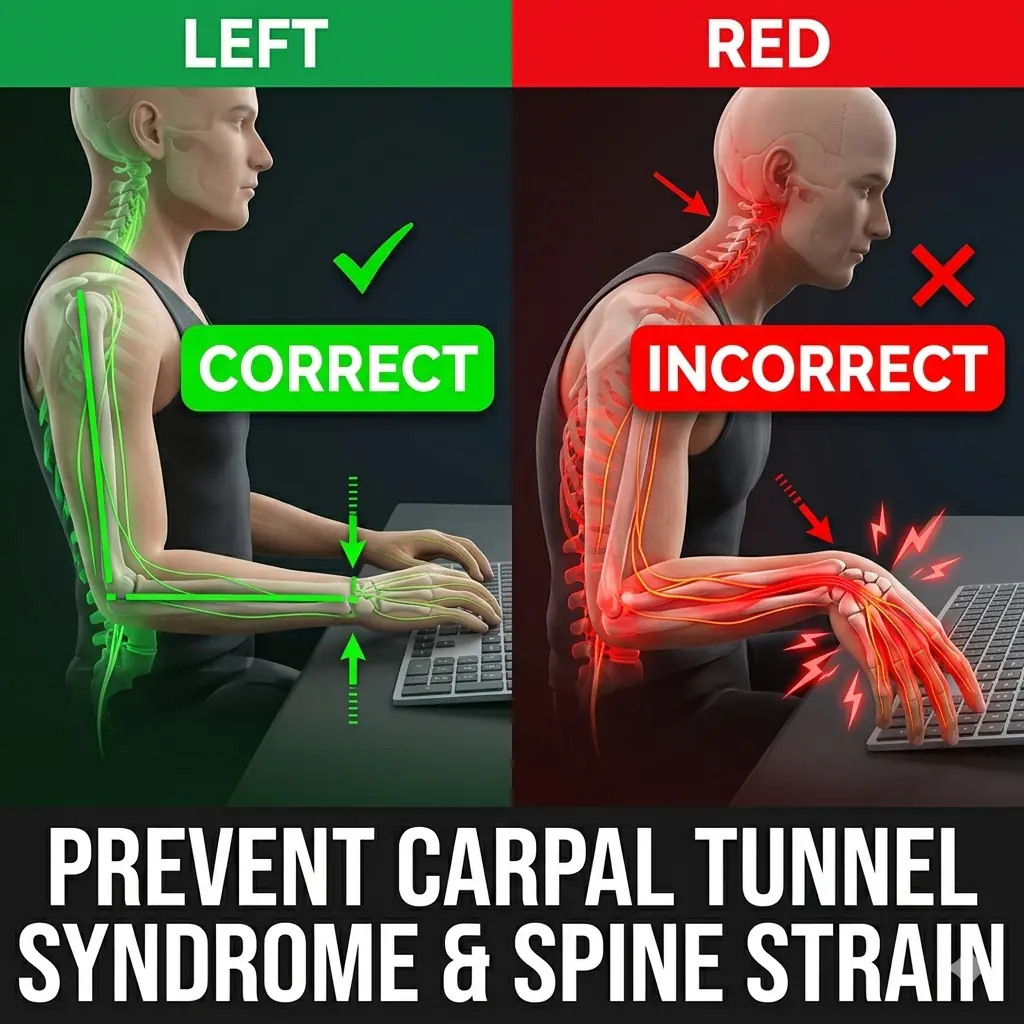
Correct vs Wrong Sitting Posture: How Poor Wrist Position Can Damage Your Nerves

Many people believe that storing leftovers in the fridge automatically makes them safe to eat the next day

Doctors reveal that eating avocado causes... see more
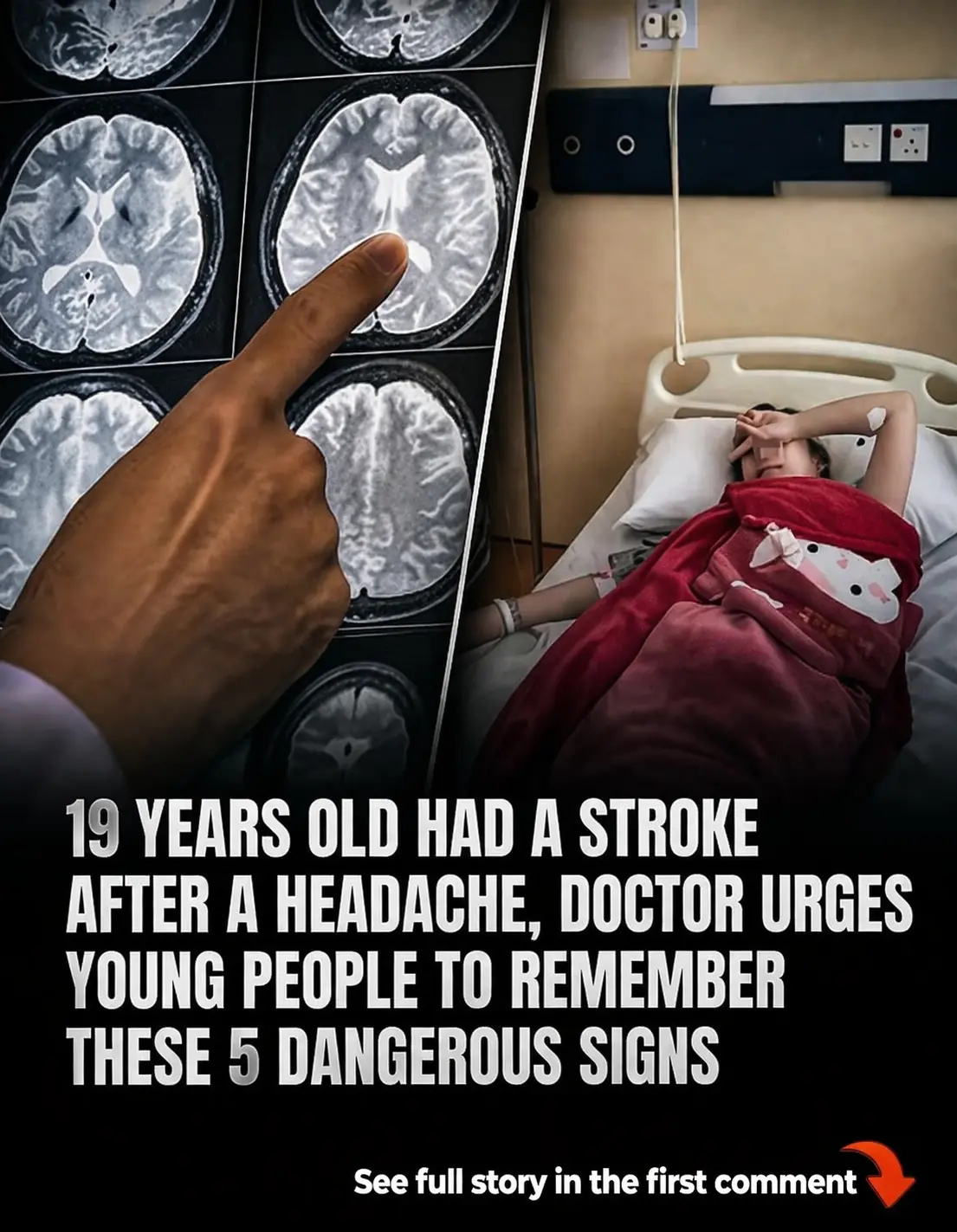
5 Alarming Stroke Warning Signs to Watch for in Young People

Is He Pulling Away? The Real Reason Your Partner Turns Their Back While Sleeping

If Your Cat Sleeps Next to You, It Might Be Trying to Tell You Somethin
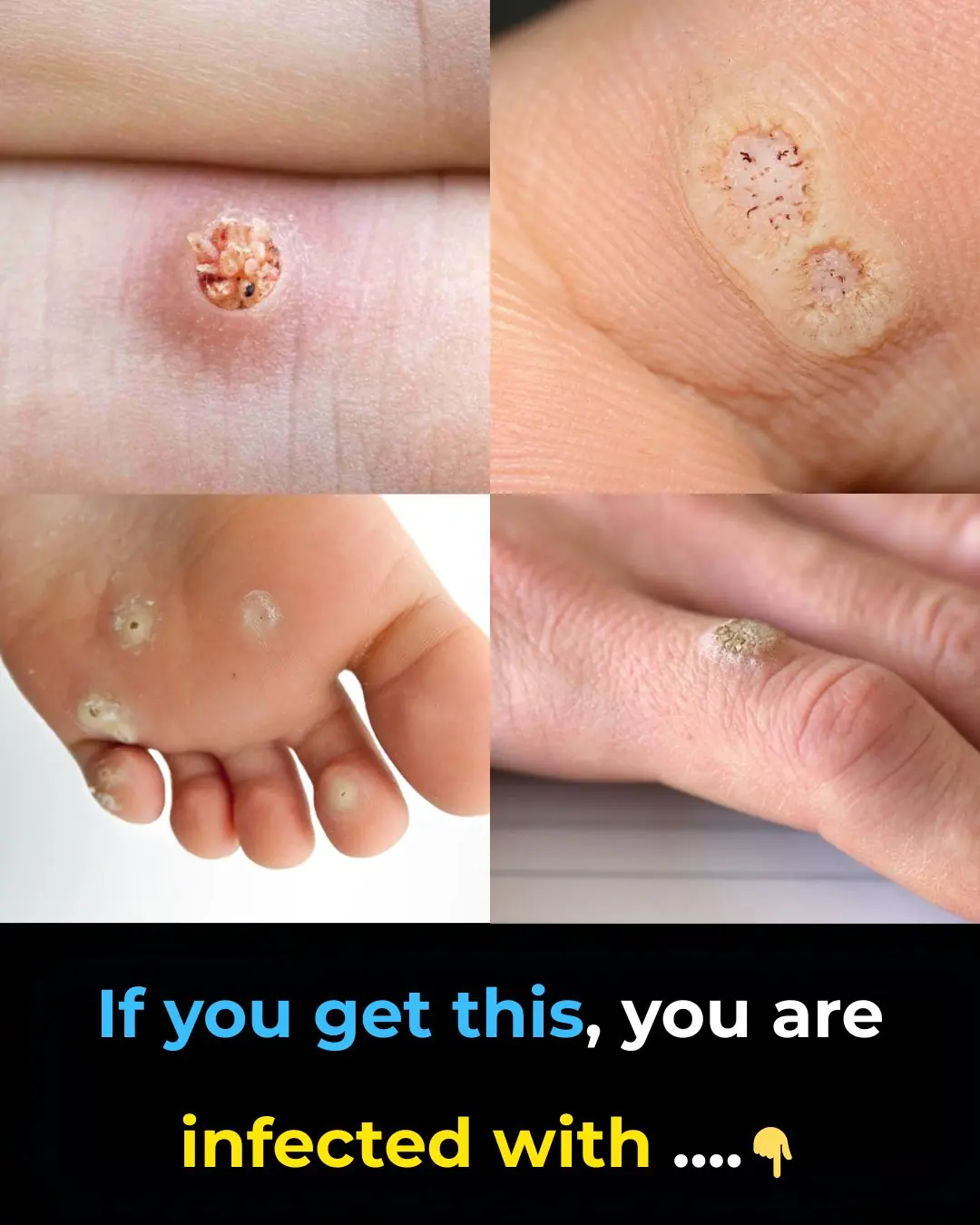
6 Types of Warts: Signs, Symptoms, Home Remedies, and Treatment
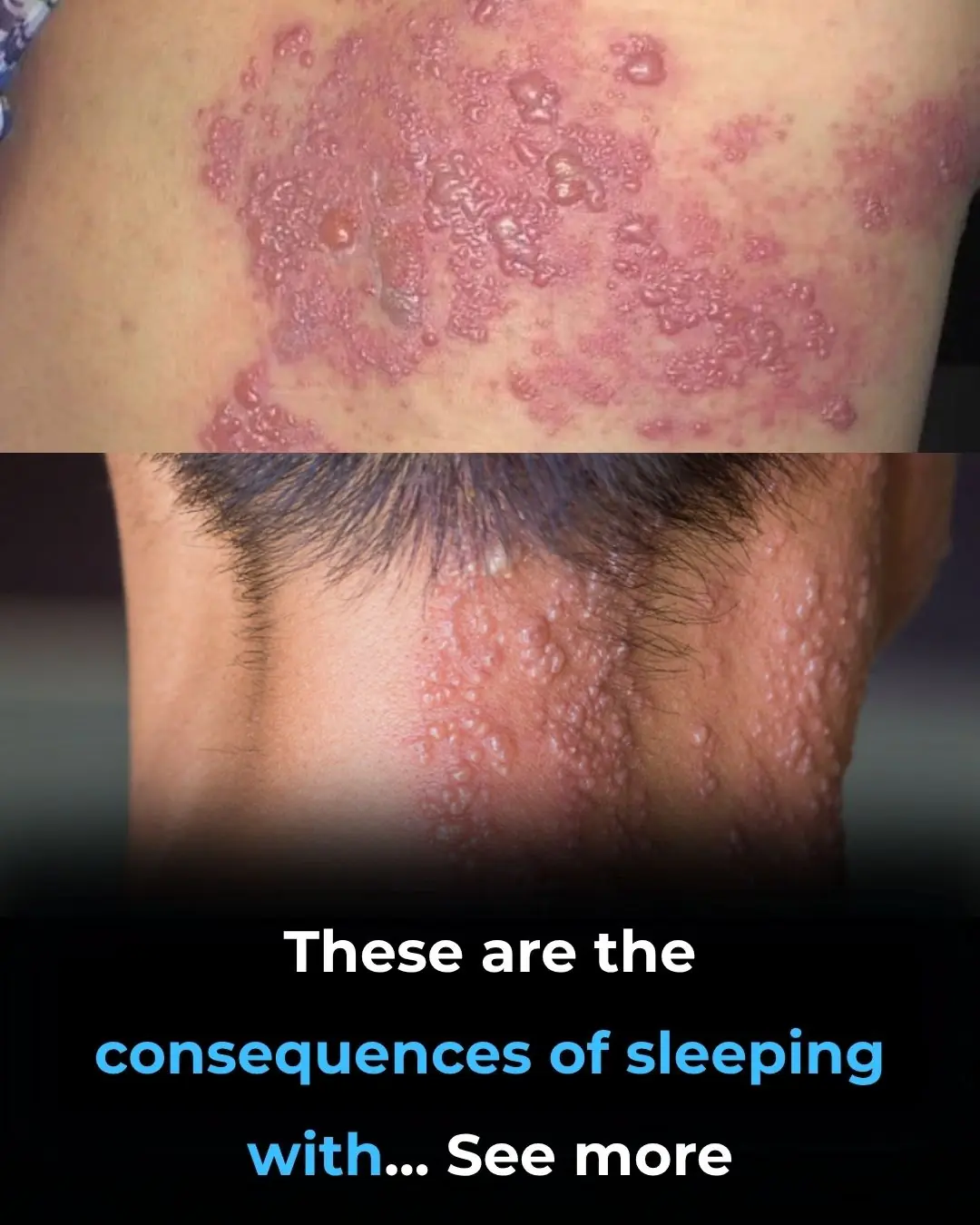
These are the Consequences of Sleeping with the Fan On
This Simple Night Routine May Help Protect Your Heart (And Most People Ignore It)

Cancer Often Shows No Pain at First – But These 8 Bathroom Warning Signs Should Never Be Ignored
News Post

PART 2: “HEY—DON’T TOUCH ME!”
Life stories 15/04/2026 22:01

PART 2: “HEY—WHAT ARE YOU DOING?
Life stories 15/04/2026 21:38

I Walked Away From My Baby on a Plane… What Happened 13 Years Later Broke Me
Life stories 15/04/2026 21:11
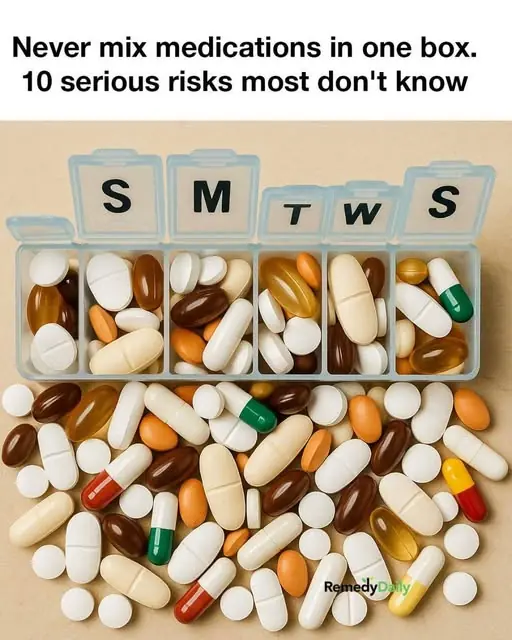
Mixing Your Medications in One Pill Box
Facts 15/04/2026 17:28

Don't Cheat. Choose A Nail To See What Kind Of Woman You Are...Read more
Facts 15/04/2026 17:24

12 Early Warning Signs of Dementia
Facts 15/04/2026 17:15

5 Types of Women Men Never Truly Forget
Facts 15/04/2026 17:06

What Kind of Woman Are You? 👗
Facts 15/04/2026 17:02

The Narrowing Path: Can the U.S. and Iran De-escalate Amid Rising Middle East Tensions?
News 15/04/2026 15:56

Tensions Flare in the Strait of Hormuz: A High-Stakes Game of Brinkmanship Between the US and Iran
News 15/04/2026 15:37

My daughter came home one day and told me she wanted me to meet her fiancé. I never expected the moment he walked through the door to stop everything cold.
Life stories 15/04/2026 15:27

Battle-Scarred: US Air Force KC-135 Covered in ‘Speed Tape’ May Face Retirement After Middle East Damage
News 15/04/2026 15:26

The “Castle Waitress” Was FORCED to Kneel and Wipe the Bride’s Shoes — They Had NO IDEA She Owned the WHOLE Estate
Life stories 15/04/2026 15:15

Mother-in-Law Arrived for Her Birthday—Then I Exposed Her Secret Plot to Steal My Home in Front of Everyone
Life stories 15/04/2026 15:05

The supervisor thought she had all the power—until one key proved otherwise
Life stories 15/04/2026 14:49
If Your Hands Start Looking Like This… It’s Not Just Dry Skin — It Could Be a Warning Sign
Health 15/04/2026 14:47

PART 2: “YOU DID THIS TO ME!! THIS IS YOUR FAULT!!”
Life stories 15/04/2026 13:48

Former Treasury secretary says guardrails are needed to avoid US-China 'mutually assured economic disruption'
News 15/04/2026 11:19
20 Subtle Cancer Symptoms Commonly Missed
Health 15/04/2026 10:50
5 Traits Women With Small Social Circles Often Share
Health 15/04/2026 10:06