More Than Nutrition: Vegetables That Protect Your Cells
Garden Healthy 14/01/2026 12:28
Eye health is often associated with carrots, but maintaining good vision requires far more than a single food. The eyes are complex organs that depend on a wide range of nutrients to function properly, adapt to daily visual demands, reduce eye strain, and slow down age-related damage. A balanced diet rich in antioxidants, healthy fats, and essential vitamins plays a critical role in protecting vision throughout life.
Vitamin A is one of the most well-known nutrients for eye health, and foods such as carrots and sweet potatoes are excellent sources. These foods are rich in beta-carotene, a compound that the body converts into vitamin A. This vitamin is essential for maintaining the health of the retina and supporting night vision. According to the World Health Organization, vitamin A deficiency remains a leading cause of preventable vision impairment worldwide, highlighting the importance of adequate intake through diet.
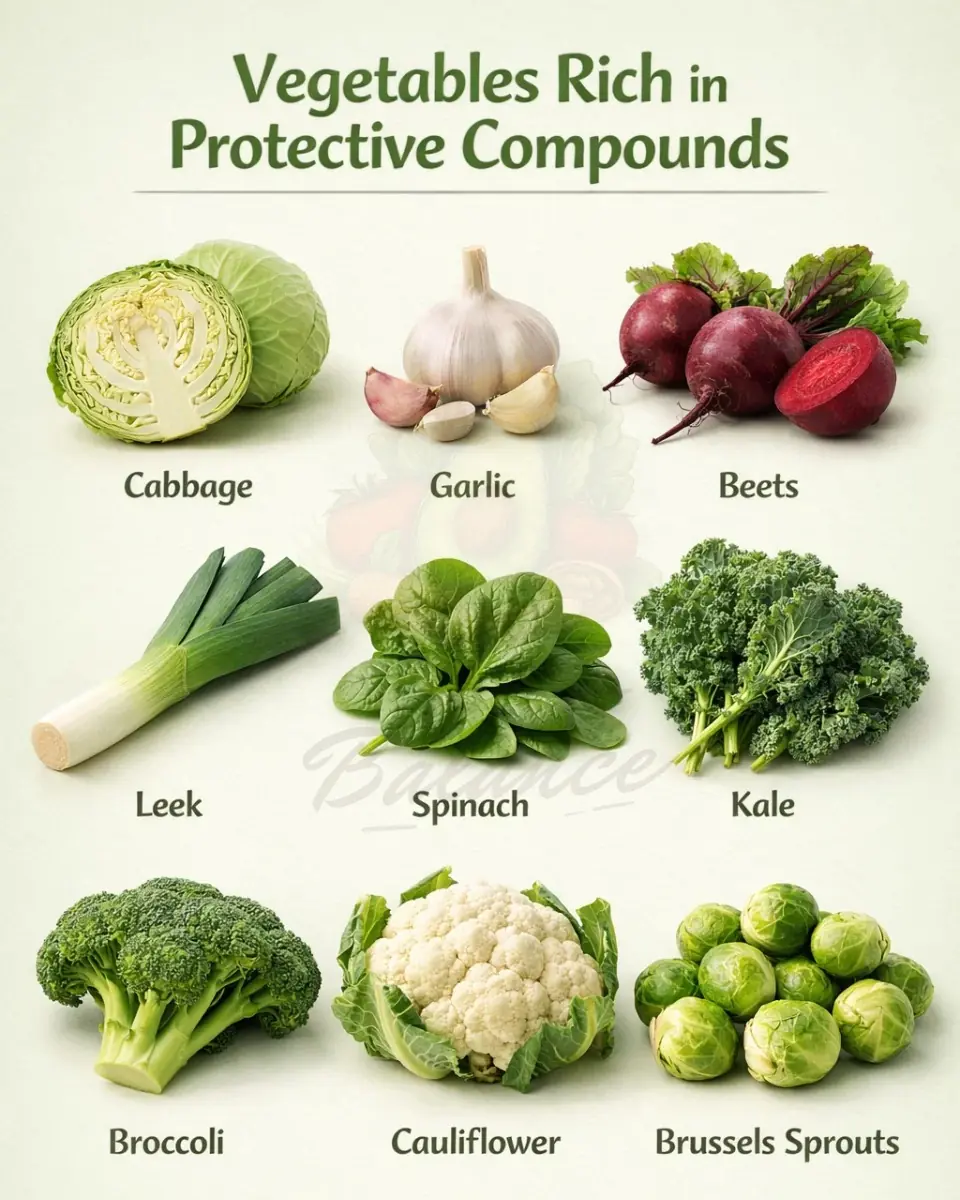
However, healthy eyes also rely heavily on antioxidants to combat oxidative stress caused by aging, screen exposure, and environmental factors. Leafy greens such as spinach are rich in lutein, a carotenoid that accumulates in the retina and helps filter harmful blue light. Research supported by Harvard T.H. Chan School of Public Health shows that lutein and zeaxanthin may reduce the risk of age-related macular degeneration (AMD), one of the most common causes of vision loss in older adults.
Fruits like blueberries further enhance eye protection due to their high antioxidant content. These compounds help neutralize free radicals that can damage eye tissues over time. Regular consumption of antioxidant-rich fruits has been associated with improved retinal health and reduced inflammation, according to studies published in nutrition and ophthalmology journals.
Healthy fats are another essential component of eye-supporting nutrition. Fatty fish such as salmon provide omega-3 fatty acids, which are vital for maintaining the structure of retinal cells and supporting tear production. The National Eye Institute notes that omega-3s may help reduce symptoms of dry eye syndrome and support overall visual function. Similarly, walnuts and avocados supply healthy fats and vitamin E, which contribute to cellular protection and help prevent oxidative damage to eye tissues.
Vegetables like broccoli also play an important role by providing vitamin C, a powerful antioxidant that supports blood vessels in the eyes and contributes to the prevention of cataracts. The American Academy of Ophthalmology emphasizes that diets rich in vitamin C and other antioxidants are linked to better long-term eye health.
In conclusion, eye health is not supported by a single “superfood” but by a diverse and nutrient-rich diet. Combining foods such as carrots, sweet potatoes, spinach, salmon, walnuts, avocados, broccoli, and blueberries ensures that the eyes receive the antioxidants, healthy fats, and protective nutrients they need. By adopting a balanced dietary approach, individuals can support vision, reduce eye strain, and slow age-related eye damage, promoting healthier eyes well into the future.
Added credible sources:
World Health Organization (WHO) – Micronutrients and vision health
National Eye Institute (NEI) – Nutrition and eye disease prevention
Harvard T.H. Chan School of Public Health – Antioxidants and eye health
American Academy of Ophthalmology (AAO) – Diet and vision protection