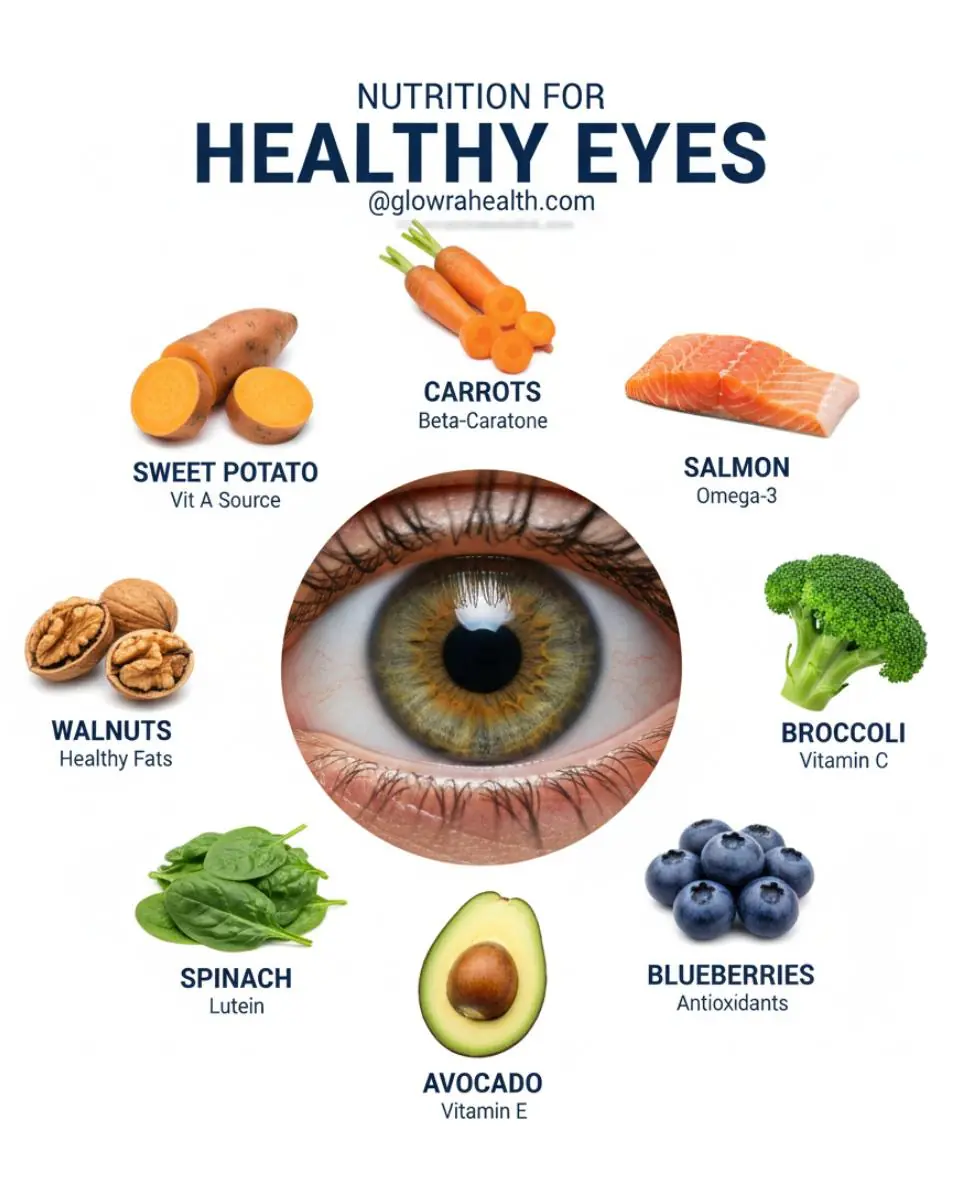
Feed Your Eyes: The Power of Nutrition for Better Vision
Garden Healthy 14/01/2026 12:31
Some vegetables do more than simply provide basic nutrition; they actively protect the body’s cells from daily stress and long-term damage. Rich in antioxidants, phytochemicals, vitamins, and minerals, these vegetables play a crucial role in supporting the body’s defense systems, reducing inflammation, and lowering the risk of chronic diseases. Scientific research consistently shows that diets abundant in plant-based foods are associated with improved overall health and longevity.
Among the most powerful protective vegetables are cruciferous and leafy greens such as cabbage, broccoli, kale, cauliflower, and Brussels sprouts. These vegetables contain compounds like glucosinolates, which are converted in the body into biologically active substances that help neutralize harmful free radicals and support detoxification processes in the liver. According to the National Cancer Institute, these compounds may help reduce the risk of certain cancers by protecting cells from DNA damage and inhibiting tumor growth.
Garlic and leeks, members of the allium family, are also notable for their protective properties. Garlic contains allicin and other sulfur-containing compounds that have been shown to support immune function, lower blood pressure, and reduce oxidative stress. Studies cited by the National Institutes of Health indicate that regular consumption of garlic may contribute to cardiovascular health by improving cholesterol levels and reducing inflammation.
Leafy greens such as spinach and kale are rich in vitamins A, C, E, and K, as well as folate and magnesium. These nutrients are essential for maintaining healthy cells, supporting vision, strengthening bones, and regulating metabolic processes. Spinach, in particular, contains lutein and zeaxanthin—antioxidants known to protect eye health and reduce the risk of age-related macular degeneration, as reported by Harvard T.H. Chan School of Public Health.
Beets stand out for their vibrant color and high concentration of betalains, compounds with strong antioxidant and anti-inflammatory properties. Research published in peer-reviewed nutrition journals suggests that beet consumption may help improve blood flow, support cardiovascular health, and enhance the body’s natural detoxification pathways.
Incorporating a variety of these vegetables into daily meals ensures a broad spectrum of protective compounds working together to support cellular resilience. The World Health Organization emphasizes that consuming sufficient fruits and vegetables—at least 400 grams per day—can significantly reduce the risk of non-communicable diseases such as heart disease, diabetes, and certain cancers.
In conclusion, vegetables rich in protective compounds are essential allies in maintaining long-term health. By regularly including cabbage, garlic, beets, spinach, kale, broccoli, cauliflower, leeks, and Brussels sprouts in a balanced diet, individuals can actively support their body’s natural defense mechanisms. These foods do not merely nourish; they help protect cells from daily stress, contributing to better health, vitality, and disease prevention over time.
Sources (added):
World Health Organization (WHO) – Nutrition and chronic disease prevention
National Institutes of Health (NIH) – Antioxidants and phytochemicals
National Cancer Institute (NCI) – Cruciferous vegetables and cancer prevention
Harvard T.H. Chan School of Public Health – Vegetables, antioxidants, and human health